

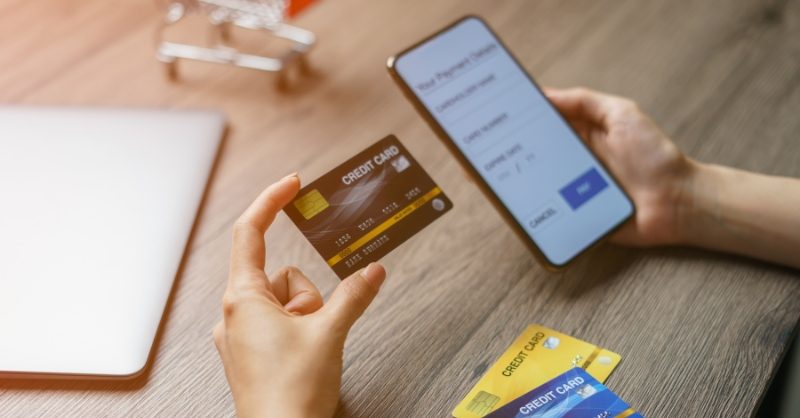
Dailyza has observed a noticeable surge in online searches for a “Venmo gift card,” with users increasingly turning to third-party marketplaces such as Eneba in hopes of buying a digital code they can redeem directly in the Venmo app. The trend reflects a broader consumer shift toward instant, app-based payments—but it also raises questions about product availability, redemption expectations, and how shoppers can avoid confusion when a brand does not clearly offer the item being searched.
Why “Venmo gift card” is trending
Consumers have become accustomed to gifting digital value through codes: app store credits, gaming top-ups, and prepaid cards that can be redeemed in a few taps. As peer-to-peer payment apps become everyday financial tools, many shoppers naturally assume they can purchase a “gift card” for their preferred wallet.
In Venmo’s case, the intent is straightforward: users want a quick way to send spending power—often for birthdays, holidays, or last-minute gifts—without transferring money directly to a person’s bank account. For some, a code feels more “gift-like” than a payment, and it can appear easier to wrap into an email or message.
What users expect to buy—and where the confusion starts
The provided example shows users searching for a Venmo gift card on Eneba, expecting a digital code that can be redeemed inside the Venmo app. That expectation mirrors how other platforms handle stored-value products. However, the key friction point is that Venmo’s consumer product lineup does not typically operate like traditional gift-card ecosystems.
When a marketplace listing or search result suggests a “Venmo gift card,” shoppers may assume:
- There is an official Venmo-branded gift card SKU with a standard redemption flow.
- A code can be entered in-app to load a balance instantly.
- The product is backed by Venmo’s customer support if redemption fails.
In reality, third-party listings can vary widely in what is being sold—ranging from prepaid payment products to vouchers that may not function the way a buyer expects. Even when a listing is legitimate, the redemption path may not be “directly in Venmo,” and buyers can end up with a product that requires a different wallet, card network, or verification steps.
How digital code marketplaces fit into the payments economy
Marketplaces like Eneba have become popular hubs for digital codes across gaming, subscriptions, and prepaid value. Their appeal is speed and availability: users can purchase a code, receive it quickly, and redeem without waiting for physical delivery.
This ecosystem has expanded as consumers increasingly prefer digital payments and instant delivery. For many shoppers, the marketplace is not just a store—it is a search engine for “anything redeemable.” That behavior can inadvertently create demand for products that are not officially offered by the brand being searched, especially when the brand name is used as shorthand for “money I can use in that app.”
What to check before buying any “Venmo gift card” online
Because shoppers are often trying to redeem directly inside Venmo, clarity matters. Before purchasing any Venmo-labeled code or voucher from a third-party site, consumers should verify the fundamentals of the product listing and redemption process.
1) Confirm the exact redemption destination
Look for explicit instructions: does the code redeem in Venmo, on a separate website, or through a card network’s portal? If the listing does not clearly state where the code is redeemed, that is a red flag.
2) Review region and currency restrictions
Digital codes frequently have country locks, currency limitations, and compliance checks. A buyer in one region may receive a code that cannot be redeemed in their account due to issuer rules.
3) Understand what “Venmo-compatible” really means
Some products may be usable with Venmo indirectly—such as through a linked card, a merchant checkout option, or a balance transfer mechanism—without being a true Venmo-issued gift card. That distinction affects both usability and support.
4) Check dispute and refund policies
Digital code purchases often have stricter refund rules than physical goods. Buyers should review the marketplace’s terms and confirm whether a non-working code is eligible for replacement or refund.
Why the demand signals a bigger opportunity
The popularity of “Venmo gift card” searches highlights a consumer desire for more flexible gifting options inside payment apps. While Venmo is commonly used for peer-to-peer transfers, shoppers appear to want a more formal “gift” mechanism—something that feels like a present, not a request for payment details.
For the industry, this trend underscores how gifting, prepaid value, and wallet-based ecosystems are converging. As more commerce shifts to mobile, consumers increasingly expect a universal way to send value—instantly, securely, and with a simple redemption flow. The gap between that expectation and what is officially available is where confusion—and sometimes risk—can grow.
What Venmo users can do instead
For users whose primary goal is to give someone money to use within the Venmo ecosystem, the most straightforward option is typically sending funds directly to the recipient through Venmo, assuming both parties have accounts and are comfortable with a direct transfer. For shoppers who want a “gift card” experience, alternatives may include widely accepted prepaid cards or merchant-specific gift cards aligned with where the recipient actually spends money.
As searches continue to rise, the key takeaway for consumers is to treat “Venmo gift card” listings with careful scrutiny: verify redemption steps, confirm eligibility in your region, and ensure the product matches the intended use before clicking buy.
The spike in interest is real, and it reflects how quickly digital wallets have become part of everyday gifting—yet it also shows how easily expectations can outpace official product offerings across the payments landscape.