

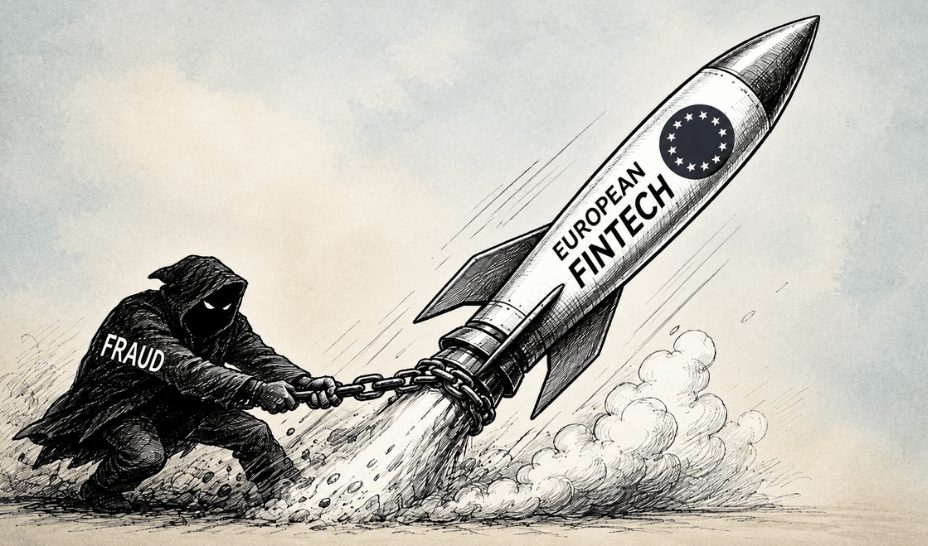
Understanding the Fraud Crisis in Europe’s FinTech Sector
The FinTech industry in Europe has witnessed significant growth, attracting substantial investments and fostering innovation. However, recent reports indicate a troubling rise in fraudulent activities that could jeopardize this burgeoning sector. The hidden fraud crisis threatens to undermine the trust essential for the industry’s continued expansion.
Impact of Fraud on Investors and Startups
As investors pour millions into FinTech startups, the potential for fraud has created a precarious environment. Industry experts warn that fraudulent schemes, ranging from identity theft to money laundering, are becoming increasingly sophisticated. This not only puts financial resources at risk but also tarnishes the reputation of legitimate firms.
Regulatory Challenges
Regulators are scrambling to keep pace with the rapid evolution of FinTech innovations, making it challenging to implement effective safeguards. The European Union has initiated discussions to enhance regulatory frameworks, but the effectiveness of these measures remains under scrutiny.
Strategies to Combat Fraud
In response to this growing threat, FinTech companies are adopting advanced technologies, including AI algorithms and machine learning, to detect and prevent fraudulent activities. Collaboration between startups and regulators is crucial to developing robust security protocols and maintaining consumer confidence.
The Role of Awareness and Education
Educating consumers about potential fraud risks is equally important. Awareness campaigns can empower users to recognize fraudulent schemes, thereby reducing vulnerability. The FinTech sector must prioritize transparency and communication to foster a safe digital environment.
Conclusion
The hidden fraud crisis poses a significant risk to Europe’s FinTech boom. As the industry navigates these challenges, a unified approach involving innovation, regulation, and consumer education will be vital in safeguarding its future.