

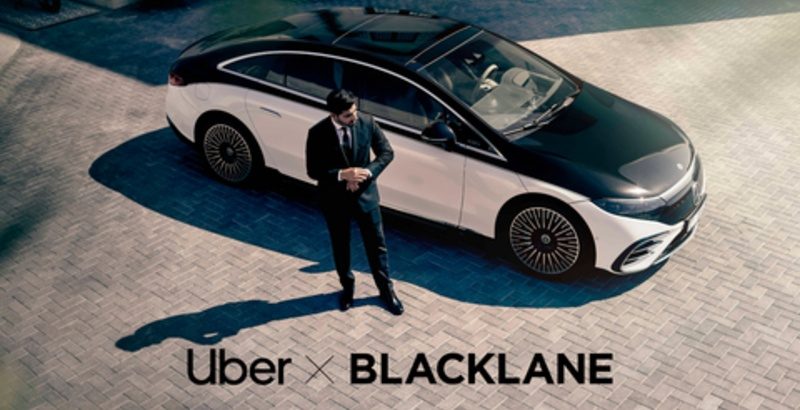
Uber moves deeper into luxury with Blacklane partnership
Uber has partnered with Berlin-based chauffeur service Blacklane to expand its premium offering, Uber Elite, and strengthen its position in the high-end ride-hailing market. The collaboration is designed to scale chauffeur‑class rides in key global cities and appeal to business travelers and affluent consumers seeking higher service standards than traditional ride-hailing.
What the Uber–Blacklane deal covers
Under the agreement, selected Blacklane vehicles and professional chauffeurs will be integrated into the Uber Elite category in participating markets. Users booking top‑tier rides in the Uber app will gain access to Blacklane’s fleet of high-end sedans and SUVs, known for uniform service, meet‑and‑greet, and pre‑booked airport transfers.
The move allows Uber to quickly boost supply in the luxury segment without owning vehicles, while Blacklane benefits from Uber’s massive demand funnel and app infrastructure. For corporate clients, the tie‑up is expected to streamline travel management by combining premium ground transport with centralized billing and reporting.
Strategic push into premium mobility
By leaning on Blacklane’s established chauffeur network, Uber is signaling a deeper push into premium mobility services where margins are typically higher than standard rides. The partnership also helps Uber compete more directly with traditional limousine providers and hotel car services that still dominate the luxury travel segment.
Industry analysts note that as business travel rebounds and travelers demand more reliability and comfort, premium ride categories could become a significant growth driver. Integrating a specialist player like Blacklane enables Uber to differentiate on service quality, not just price and availability.
Implications for riders and the market
For riders, the collaboration promises more consistent vehicles, trained chauffeurs, and enhanced airport and intercity options within the familiar Uber interface. For the wider ride-hailing and urban mobility market, it highlights a broader shift: platforms are no longer focused solely on low-cost transport but on building layered offerings from budget to full chauffeur‑class experiences.