

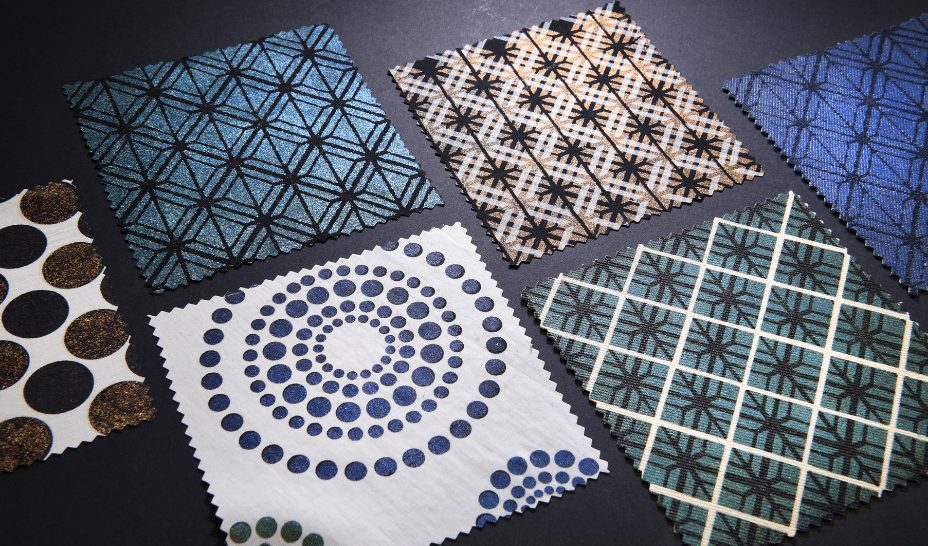
Sparxell raises €4.2M to transform colour in fashion and textiles
UK-based startup Sparxell has secured €4.2 million in fresh funding to scale its plant-based colour technology, aiming to disrupt the way the fashion and textile industries use colour. The company is developing nature-inspired pigments that replace conventional synthetic dyes, which are often derived from petrochemicals and associated with heavy water use and pollution.
Biomimicry at the core of sustainable colour
Sparxell uses principles of biomimicry, recreating the structural colour mechanisms found in butterfly wings, beetle shells and peacock feathers. Instead of relying on chemical dyes, the startup engineers microscopic structures from plant-based materials that reflect light in specific ways, producing vivid, fade-resistant colours without toxic additives.
The company’s technology is designed to be compatible with existing textile manufacturing processes, enabling brands to integrate cleaner colour solutions without overhauling their production lines. By focusing on plant-based materials, Sparxell aims to cut reliance on fossil fuels, reduce microplastic pollution and lower the overall environmental footprint of coloured fabrics.
Funding to accelerate industrial scale-up
The €4.2 million round will be used to expand Sparxell’s R&D, build pilot production capacity and strengthen partnerships with global fashion and textile brands. The startup plans to move from lab-scale proof of concept to industrial-scale deployment, targeting applications in apparel, performance textiles and potentially packaging and cosmetics.
Investors are betting that stricter environmental regulations and growing consumer demand for sustainable products will drive rapid adoption of cleaner colour technologies. As major brands seek alternatives to traditional synthetic dyes, Sparxell positions itself as a key enabler of lower-impact, circular fashion systems.
Strategic momentum in a changing industry
With the new capital, Sparxell intends to deepen collaborations across the supply chain, from fibre producers to garment manufacturers. The company’s long-term vision is to make plant-based colour a standard across fashion and textiles, replacing hazardous dyeing processes with materials that are safer for workers, waterways and end consumers.