

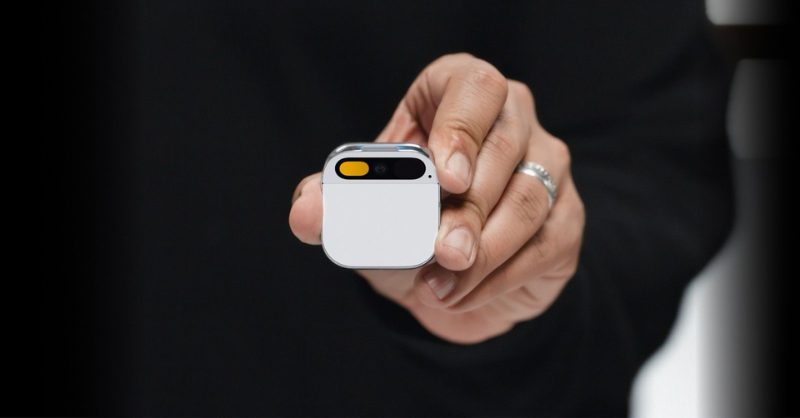
Jony Ive’s AI Hardware Vision Meets Apple’s Next Experiment
Former Apple design chief Jony Ive is reportedly working with OpenAI on a new class of AI hardware, while Apple is said to be quietly testing its own AI Pin-like device. The parallel efforts are reigniting a central question in consumer tech: can wearable, screenless assistants eventually displace the smartphone, including the iPhone itself?
What an Apple AI Pin Could Look Like
The concept of an AI Pin gained mainstream attention through startups building small, clip-on devices that use voice interfaces, ambient computing and cloud-based AI models instead of traditional apps. According to industry reports, Apple is experimenting with similar form factors that would lean heavily on its in-house Apple Intelligence stack and on-device AI algorithms.
Such a device could integrate tightly with iCloud, AirPods and the wider Apple ecosystem, acting as a persistent assistant that listens, summarizes, and acts on behalf of the user with minimal screen interaction.
Ive, OpenAI and the Post‑Smartphone Narrative
The collaboration between Jony Ive and OpenAI is widely viewed as an attempt to define a new hardware category purpose-built for generative AI. While details remain scarce, the partnership suggests a move away from app-centric design toward devices optimized for natural language, context awareness and proactive assistance.
For Apple, this presents both an opportunity and a strategic risk. A compelling AI-first wearable could extend the company’s reach beyond the iPhone, but it might also begin to erode the central role of the smartphone as the primary computing hub.
Will the iPhone Survive the AI Hardware Shift?
Analysts expect any AI Pin-style product to coexist with the iPhone for years, initially serving as a companion rather than a replacement. The iPhone’s entrenched base, vast App Store ecosystem and powerful mobile processors make it difficult to dislodge quickly.
Yet the convergence of AI wearables, ambient interfaces and cloud-native assistants signals a gradual shift in how users interact with technology. Whether Apple leads this transition or is forced to react to external innovators like OpenAI and its partners could define the next decade of consumer electronics.