

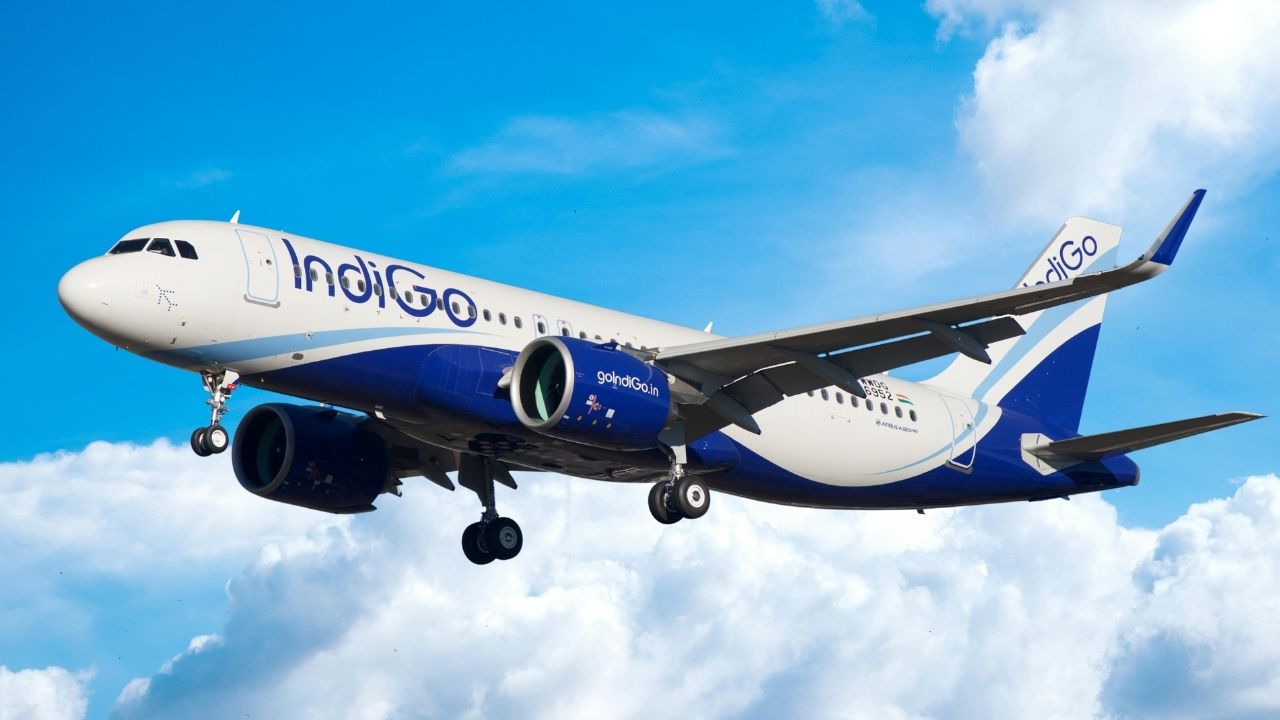
IndiGo, India‘s dominant carrier, faces its most severe operational challenge to date as Pratt & Whitney engine defects force the grounding of nearly 200 aircraft, shaking investor confidence.
The aviation sector in India is currently grappling with a significant disruption as InterGlobe Aviation, the parent company of IndiGo, sees its stock value erode amidst an escalating fleet crisis. Throughout the first week of December, the airline—which controls over 60% of the domestic market—has been forced to cancel hundreds of daily flights. The turmoil stems from the worsening supply chain bottleneck involving Pratt & Whitney‘s GTF engines, a situation that has left a substantial portion of IndiGo‘s Airbus A320neo fleet gathering dust in hangars rather than generating revenue.
The Root of the Crisis: Powder Metal Defects
The core of the issue lies in the ongoing global recall of Pratt & Whitney engines due to a microscopic defect in the powdered metal used for turbine discs. While this problem surfaced in 2023, the impact has peaked in late 2025. Industry reports indicate that the inspection and repair timeline has stretched from 60 days to nearly 300 days due to a global shortage of spare parts.
For IndiGo, which operates one of the world’s largest fleets of these specific engines, the math is brutal. Aviation analysts estimate that nearly 200 of the airline’s jets—almost 40% of its capacity—are currently designated as “Aircraft on Ground” (AOG). This reduced capacity has sent operational costs soaring as the airline scrambles to wet-lease older aircraft from foreign carriers to plug the schedule gaps.
Is Bankruptcy on the Table?
The sheer scale of the disruption has led to speculative headlines asking if the carrier is heading toward insolvency like its former rival Go First. However, financial experts suggest that while the situation is critical, bankruptcy remains unlikely in the immediate term.
IndiGo sits on a massive cash reserve, estimated to be over ₹30,000 crore (approx. $3.6 billion). Unlike other failed carriers, IndiGo is profitable at an operating level and maintains a robust order book. The “crisis” is currently one of profitability and market share, rather than solvency. The airline is reportedly in intense negotiations with Pratt & Whitney for compensation payments, which are helping to offset the daily losses incurred from the grounded jets.
Passenger Fury and Market Shift
While the balance sheet may be safe, the brand’s reputation is taking a beating. Social media platforms are flooded with complaints from passengers regarding last-minute cancellations and skyrocketing fares on remaining routes. This operational fragility has opened a door for the Tata Group-owned Air India.
Data from the Directorate General of Civil Aviation (DGCA) shows a gradual shift in passenger preference toward Air India and its low-cost subsidiary Air India Express, which rely heavily on CFM engines that are unaffected by the current defects. Analysts warn that if IndiGo cannot stabilize its schedule by Q1 2026, it risks a permanent erosion of its market dominance, transforming from an invincible market leader into a vulnerable giant.
1 Comment
This is a tough blow for IndiGo, especially given how dominant they are in the market. Hopefully, Pratt & Whitney can resolve the engine issues quickly so flights can get back on schedule and passengers aren’t left stranded. It’s a reminder of how much airlines depend on their suppliers.