

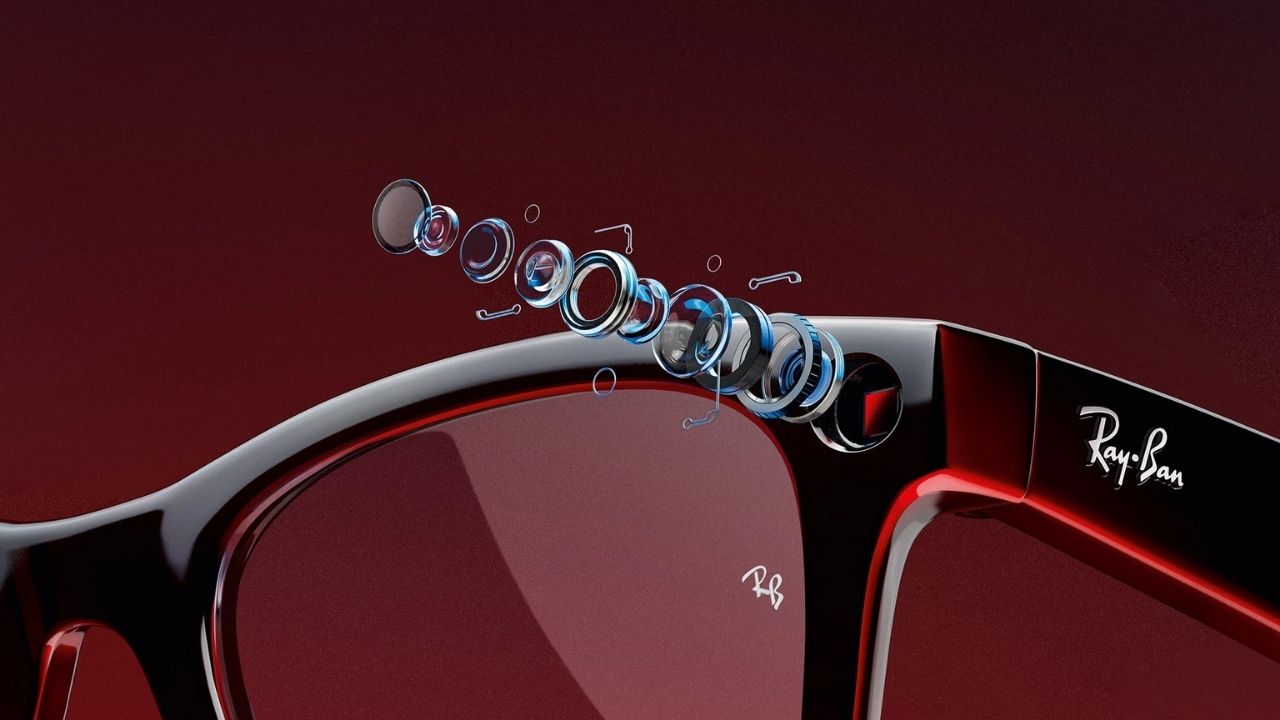
Ray-Ban parent company EssilorLuxottica sees its stock tumble 4% amidst reports that Google may launch a proprietary AR device, potentially sidelining the eyewear giant in the race for smart glass dominance.
PARIS — Shares of EssilorLuxottica, the Franco-Italian eyewear titan behind brands like Ray-Ban and Oakley, faced significant selling pressure on Monday, closing down nearly 4% on the Euronext Paris. The decline follows resurfacing industry reports that Google is accelerating the development of its own standalone augmented reality (AR) eyewear, independent of major fashion partnerships. Investors fear this move could signal a shift where Big Tech companies opt to control their own hardware destiny rather than licensing frames from legacy luxury makers.
The Fear of Being Sidelined
For the past year, EssilorLuxottica has been viewed by the market as a primary gatekeeper for smart glasses. Its successful collaboration with Meta on the Ray-Ban Meta smart glasses—which have sold millions of units—proved that consumers want tech in stylish, recognizable frames. The stock’s valuation had baked in the expectation that EssilorLuxottica would be the default partner for other tech giants like Google entering the space.
However, leaks from supply chain analysts suggesting that Google‘s upcoming “Project Iris” revival will utilize a proprietary, tech-first design have spooked shareholders. “The market is worried about disintermediation,” noted a luxury goods analyst at Citi. “If Google and Samsung decide they can build fashionable frames without paying a royalty to Ray-Ban, EssilorLuxottica loses its status as the indispensable bridge between tech and fashion.”
Competition Heats Up for 2026
The smart eyewear sector is projected to be the next major consumer electronics battleground in 2026. While Meta has extended its partnership with EssilorLuxottica into a long-term deal, Google‘s potential entry as a standalone competitor changes the landscape.
If Google releases a lightweight, AI-powered device that rivals the aesthetic of a standard pair of glasses but offers superior software integration (like Gemini AI and Maps) without the Ray-Ban premium markup, it could undercut EssilorLuxottica‘s growing wearables division.
Analyst Outlook: Overreaction?
Despite the drop, some market watchers believe the sell-off is an overreaction. They argue that EssilorLuxottica possesses something tech companies struggle to replicate: a massive global retail network (LensCrafters, Sunglass Hut) and prescription lens expertise. Even if Google builds its own device, it will likely need EssilorLuxottica‘s retail footprint to sell prescription versions to the mass market.
“Tech giants are great at making chips, but they are terrible at making comfortable glasses,” said one portfolio manager. “The road to the consumer’s face still goes through Luxottica, even if Google wants to drive alone for a while.”
2 Comments
It’s interesting to see how tech giants like Google are starting to take control of their own AR hardware instead of partnering with established brands. EssilorLuxottica has always been a leader in eyewear, but they might need to innovate faster to stay relevant in this new smart glass era.
It’s interesting to see how tech giants like Google are aiming to take full control of AR hardware, potentially leaving traditional eyewear companies in a tough spot. EssilorLuxottica has such a strong brand presence, though—I wonder if they’ll find a way to innovate and stay relevant in this quickly changing market.