

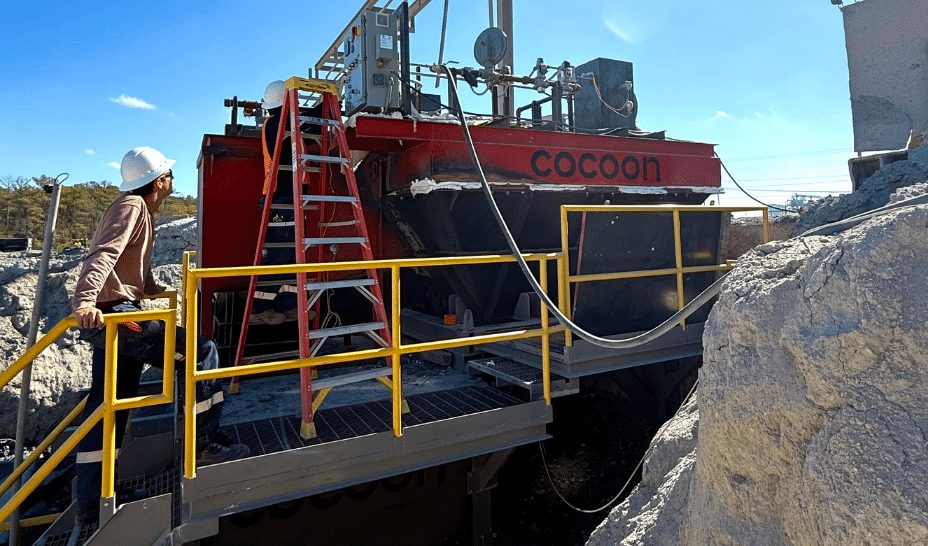
Cocoon Carbon launches scalable low‑carbon cement alternative
UK-based Cocoon Carbon, a materials innovation company, has announced the development of a scalable supply of cement substitutes, technically known as supplementary cementitious materials (SCMs). The move targets one of the most emissions‑intensive components of modern construction and aims to help the global building sector cut its dependency on traditional Portland cement.
Tackling cement’s heavy carbon footprint
Cement production is responsible for an estimated 7–8% of global CO₂ emissions, largely due to the energy‑intensive process of clinker production and the chemical release of carbon from limestone. By supplying high‑performance SCMs at scale, Cocoon Carbon seeks to replace a significant share of conventional clinker in concrete mixes without compromising strength or durability.
The company’s technology focuses on transforming underused industrial and mineral by‑products into consistent, quality‑controlled SCMs. These materials can be blended into standard concrete formulations, allowing producers to reduce the clinker content of their products while maintaining compliance with international construction standards.
Focus on scalability for global construction markets
Unlike many niche low‑carbon materials, Cocoon Carbon is positioning its solution as a high‑volume feedstock for mainstream concrete producers. The firm’s approach emphasizes predictable supply chains, standardized quality, and compatibility with existing cement and concrete production infrastructure. This is designed to help large construction companies, ready‑mix producers, and infrastructure developers cut embodied carbon at scale, rather than only on showcase projects.
Supporting net‑zero and regulatory goals
As governments tighten climate and building regulations, the demand for verifiable low‑carbon construction materials is rising sharply. Cocoon Carbon aims to provide the kind of traceable, performance‑tested SCMs that can support green building certifications, corporate net‑zero targets, and future carbon pricing schemes. The company’s announcement signals growing momentum behind industrial decarbonisation solutions that work with, rather than against, existing construction practices.