

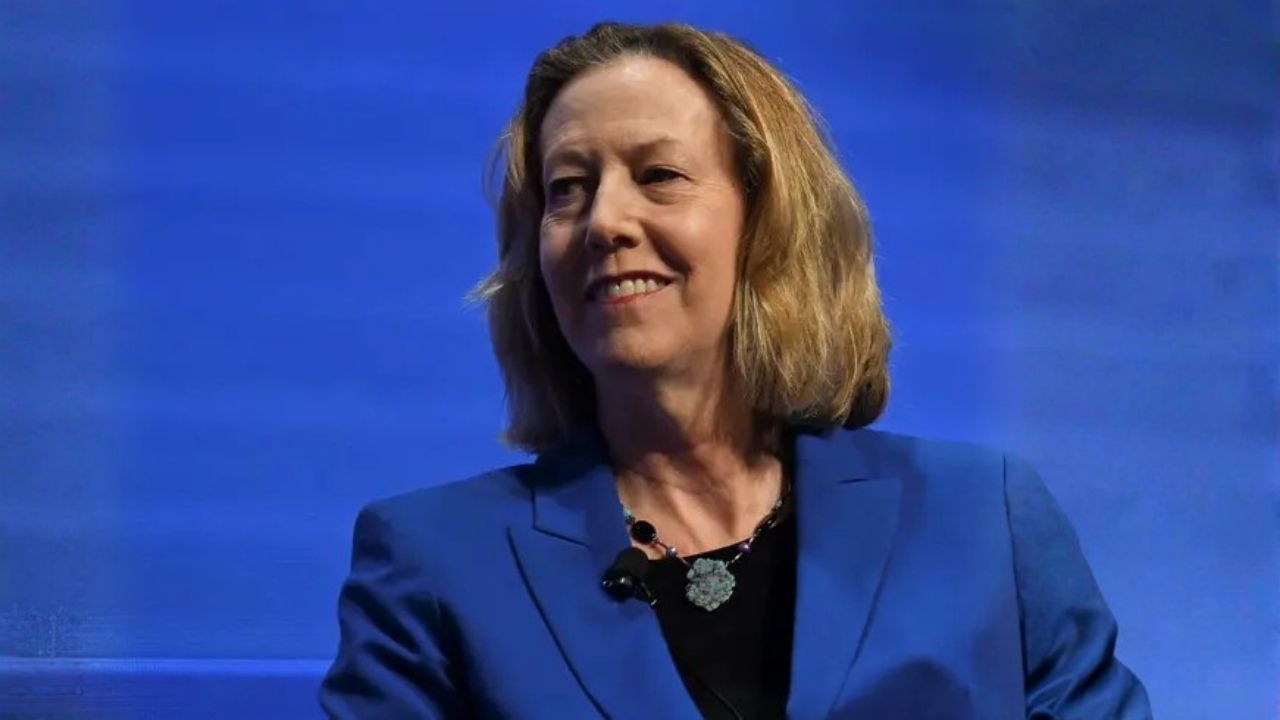
BP breaks 130 years of tradition by hiring outsider Meg O’Neill as Chief Executive, aiming to stabilize the firm after its energy transition plans collapsed.
The board of BP has executed a stunning leadership overhaul this Thursday, announcing the appointment of Meg O’Neill as its new Chief Executive Officer. This decision marks a historic pivot for the London-based energy giant, as O’Neill becomes the first leader recruited from outside the company’s ranks in its more than century-long history. The move is widely interpreted by market analysts as a frantic attempt to arrest a sliding share price and rectify a corporate strategy that has left the supermajor trailing far behind its transatlantic rivals.
A Historic Break from Tradition
For generations, BP has prided itself on grooming leaders internally, creating a distinct corporate culture of “lifers.” By poaching O’Neill, who previously helmed the Australian energy titan Woodside Energy, the board is signaling that the internal talent pool was deemed insufficient to navigate the current crisis.
Helge Lund, the company’s chairman, stated that the appointment follows a rigorous global search. He emphasized that O’Neill’s track record of operational discipline and project delivery is exactly what the company requires to regain the confidence of the FTSE 100. O’Neill, an American national with decades of experience at ExxonMobil before her tenure at Woodside, is viewed by the city as a “hard-nosed oil executive” rather than a transition visionary.
The Collapse of the Green Pivot
The leadership change comes at a time when BP is reeling from the failure of its ambitious energy transition strategy. Under previous management, the company had aggressively divested from fossil fuel assets to pour billions into renewable energy projects, such as offshore wind and solar. However, these green investments failed to generate returns comparable to traditional hydrocarbons.
Shareholders have grown increasingly vocal in their dissatisfaction, noting that while BP was shrinking its oil output, competitors like Shell, ExxonMobil, and Chevron were posting record profits by doubling down on core oil and gas operations. The valuation gap between BP and its US peers has widened to historic levels, leaving the company vulnerable to takeover speculation.
A Mandate for ‘Back to Basics’
Industry experts suggest that O’Neill’s primary mandate will be to pragmatically reverse the previous “green” course without abandoning climate commitments entirely. The focus is expected to shift back to high-margin oil and gas production, particularly in the deepwater Gulf of Mexico and US shale basins, to restore cash flow.
Analysts at Goldman Sachs noted that O’Neill is likely to implement a rigorous capital allocation strategy, cutting low-return renewable projects and prioritizing shareholder distributions through dividends and buybacks. Her reputation for navigating complex geopolitical landscapes and managing large-scale LNG (Liquefied Natural Gas) projects suggests that BP will look to gas as its primary transition fuel for the next decade.