

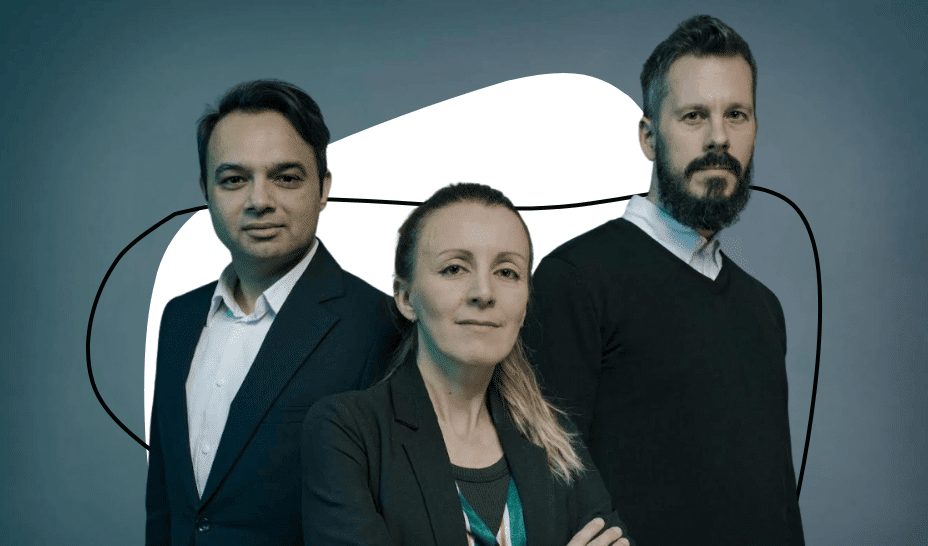
German BioTech startup BIOWEG has raised €1.5 million to advance a process designed to recover valuable metals from industrial waste streams—an approach that speaks to two urgent European priorities at once: cutting pollution from manufacturing and securing access to critical raw materials.
The funding, reported by EU-Startups, comes as European industry faces rising scrutiny over waste handling, tighter environmental standards, and growing concern about supply-chain exposure for key inputs used across electronics, batteries, specialty chemicals, and advanced manufacturing.
Why metal recovery from waste is drawing investor attention
Across the EU, the pressure to build a more resilient and resource-efficient economy is intensifying. Industrial processes—from metal finishing to chemical production—often generate by-products and residual streams that contain recoverable metals. Historically, many of these streams have been treated as costly waste, diluted, stabilized, or shipped off for disposal. Increasingly, they are being reclassified as potential feedstock.
That shift is driven by multiple forces: volatile commodity prices, stricter rules on landfill and wastewater discharge, and the strategic importance of materials used in modern technologies. The result is a growing market for solutions that can extract value where companies previously saw only environmental liability and cost.
What BIOWEG says it is building
BIOWEG positions its technology around converting industrial waste into valuable metals, aiming to make recovery processes more sustainable and economically attractive for manufacturers. While the company’s detailed process parameters and target metals were not fully laid out in the provided input, the core promise is clear: recover metals from complex waste streams in a way that reduces overall environmental impact and improves resource efficiency.
In practice, metal recovery solutions typically need to solve three difficult problems at once:
- Selective extraction from mixtures that may include multiple metals, salts, organic residues, and process chemicals.
- Cost-effective operation at industrial scale, including energy use, consumables, and maintenance.
- Regulatory compliance for outputs (recovered metals) and remaining residues (treated waste or effluent).
If BIOWEG can demonstrate strong performance on these fronts, it could appeal to manufacturers looking to reduce disposal costs, improve sustainability reporting, and stabilize access to metal inputs.
How the €1.5 million round may be used
Early-stage funding of this size often supports the transition from lab validation to industrial readiness. For a company working on recovery and processing technology, that typically means:
- Pilot deployments with industrial partners to prove performance on real waste streams.
- Process optimization to improve yields, selectivity, and throughput.
- Engineering and scale-up, including modular system design and integration into existing plant infrastructure.
- Regulatory and quality work to ensure recovered outputs meet buyer specifications and remaining waste meets discharge rules.
Even when the chemistry works, commercialization hinges on reliability, predictable operating costs, and a clear return on investment for customers—especially in heavy industry, where downtime and retrofits are expensive.
The broader context: circular industry and critical materials
Europe’s push toward a circular economy is increasingly tied to industrial competitiveness. Recovering metals from waste can reduce reliance on primary extraction and imported raw materials, while also lowering the footprint associated with mining and long-distance shipping.
That logic is becoming more prominent as governments and manufacturers focus on supply-chain resilience for inputs used in high-tech production. While “critical raw materials” lists vary by jurisdiction and evolve over time, the common theme is the same: certain metals are essential for modern infrastructure and clean technologies, yet vulnerable to price spikes and geopolitical disruption.
Solutions like BIOWEG’s—if they can be deployed close to where waste is generated—also support a localized industrial model, where valuable material loops are closed within regional manufacturing ecosystems.
What success will likely depend on
Metal recovery from industrial waste is not a one-size-fits-all business. Waste streams differ dramatically by sector and even by factory line. A robust solution must handle variability without constant re-engineering. For BIOWEG, key milestones that typically matter to customers and investors include:
- Demonstrated yields and consistent recovery rates across different waste compositions.
- Operating economics that beat disposal plus replacement purchasing costs.
- Scalability from pilot to continuous operation with industrial uptime expectations.
- Environmental performance, including reduced use of harsh reagents and lower energy intensity where possible.
- Commercial pathway, such as selling systems, licensing, or operating recovery as a service.
Another practical consideration is the downstream market for the recovered metals. Buyers may require specific purity levels, documentation, and stable supply. If BIOWEG can reliably meet those requirements, recovered metals can move from “secondary material” to a trusted input for industrial procurement.
Why this round matters for Europe’s industrial innovation pipeline
Funding for industrial decarbonization and circular manufacturing often faces a gap between early scientific promise and the capital intensity of deployment. A €1.5 million round is not large enough to build full-scale plants, but it can be pivotal for proving the technology in operational settings and attracting the next stage of financing.
For Europe, the emergence of startups tackling industrial waste streams is also a signal that sustainability is shifting from reporting language to engineering reality. If BIOWEG’s approach proves effective, it could help manufacturers treat waste not as an inevitable by-product, but as a source of recoverable value—an outcome that aligns environmental goals with industrial cost pressures.
As BIOWEG moves forward, industry watchers will be looking for pilot results, partner announcements, and evidence that the company can translate laboratory performance into repeatable industrial operations—where most circular-economy technologies ultimately succeed or fail.