

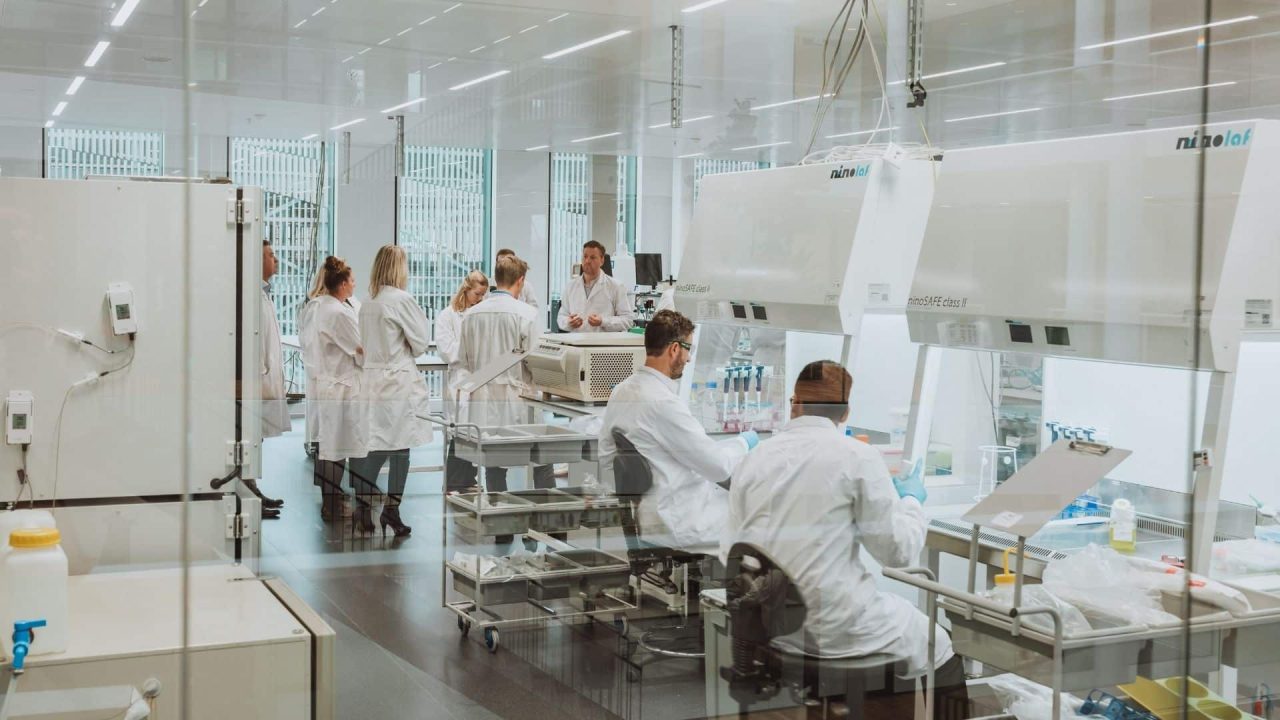
Meatable, a Dutch cultivated meat company once seen as one of Europe’s most promising bets in alternative protein, is shutting down operations after it failed to secure additional funding, according to a report by EU-Startups. The closure highlights how quickly the financing environment has tightened for capital-intensive food technologies, even as governments and consumers continue to discuss sustainability, food security, and the future of protein.
A high-profile cultivated meat player runs out of runway
Cultivated meat—also called cell-based or lab-grown meat—requires years of R&D, complex bioprocessing, and expensive scale-up before meaningful commercial revenue arrives. Startups in the space typically rely on continuous venture backing to fund pilot plants, regulatory work, and manufacturing partnerships. In Meatable’s case, the latest attempt to raise fresh capital did not succeed, leaving the company without the resources to continue operating.
Meatable had positioned itself as part of a new generation of European food tech companies aiming to produce real meat without conventional livestock farming. The company’s pitch aligned with a broader narrative: reducing emissions, improving animal welfare, and building resilient supply chains. But the business reality for cultivated meat remains defined by long timelines, high burn rates, and uncertain near-term market access.
Why funding has become harder for cultivated meat
The shutdown comes amid a broader recalibration in venture capital. After the boom years of 2020–2021, investors have become more cautious, prioritizing clear paths to revenue, lower cash burn, and faster routes to profitability. For cultivated meat, those demands collide with the sector’s fundamental constraints: bioreactors, growth media, QA/QC, and food-grade manufacturing are expensive, and scaling from lab to industrial output is notoriously difficult.
Several factors have contributed to the tougher funding environment:
- Higher interest rates have reduced risk appetite and made long-duration bets less attractive.
- Down-rounds and valuation resets across tech have changed expectations for follow-on funding.
- Scale-up risk remains a central concern, as many cultivated meat companies have yet to demonstrate sustainable unit economics at commercial volumes.
- Regulatory uncertainty in Europe can extend timelines, raising the cost of capital.
Even startups with strong teams and compelling science can struggle when markets demand near-term traction. In food tech, traction often depends on regulatory approvals, production capacity, and distribution partnerships—milestones that are difficult to hit without substantial, ongoing investment.
Europe’s regulatory reality adds pressure
In the European Union, cultivated meat falls under the Novel Foods framework, which requires rigorous safety assessments and a formal authorization process before products can be sold. While the system is designed to protect consumers, it can also slow commercialization compared with markets where approvals have already begun to emerge.
Globally, Singapore has been a first mover in approving cultivated meat for sale, and the United States has taken steps toward allowing certain products to enter the market through coordinated oversight. In contrast, many European cultivated meat companies have faced longer lead times, which can make it harder to justify continued spending—especially if investors are pushing for near-term revenue opportunities.
For a company like Meatable, the combination of regulatory timelines and the cost of scaling manufacturing can create a funding gap: the business may need significant capital before it can reach the milestones investors want to see.
What Meatable’s shutdown signals for investors and founders
Meatable’s closure is likely to be read as another data point in the market’s reassessment of alternative protein. It does not necessarily invalidate the science behind cultivated meat, but it does underline the commercial challenge: breakthroughs in biology and engineering still have to translate into cost-competitive products, reliable supply chains, and consumer demand.
For investors, the episode reinforces a more selective approach. Funding is increasingly concentrating around companies that can show:
- Clearer unit economics and a credible path to cost reduction
- Partnerships for manufacturing and distribution that reduce capex burden
- Regulatory progress with defined timelines and strong documentation
- Near-term revenue options, such as B2B ingredients, hybrid products, or licensing
For founders, the lesson is equally direct: in a tougher market, runway management and milestone planning become existential. Companies may need to pursue capital-light strategies, prioritize partnerships, or narrow product scope to extend survival time between funding rounds.
Broader implications for the alternative protein sector
Meatable’s shutdown arrives as the alternative protein industry navigates mixed signals. On one hand, climate and food security concerns continue to drive interest in new protein sources. On the other, consumer adoption of some plant-based categories has slowed in certain markets, and investors are demanding more evidence that next-generation products can compete on taste, price, and availability.
Within cultivated meat specifically, the biggest hurdles remain:
- Reducing the cost of growth media and other inputs
- Scaling bioprocessing while maintaining food safety and consistency
- Building manufacturing capacity without unsustainable capital expenditure
- Navigating approvals and labeling rules across jurisdictions
The sector is not standing still—some companies are shifting toward blended products, focusing on premium launches first, or using cultivated fat as an ingredient to improve flavor in plant-based items. But the path remains long, and the number of companies able to finance it may shrink.
What happens next
Meatable’s shutdown is a reminder that innovation alone is not enough in a high-cost category. As Dailyza continues tracking Europe’s food tech and investment landscape, the key question is whether capital will return to cultivated meat at scale—or whether the next phase will be defined by consolidation, partnerships with established food manufacturers, and a smaller group of well-funded survivors.
For now, the end of Meatable’s operations marks a sobering moment for Europe’s cultivated meat ambitions, and a clear signal that the market is demanding proof of scalability, regulatory progress, and commercial readiness—faster than many startups can deliver.