

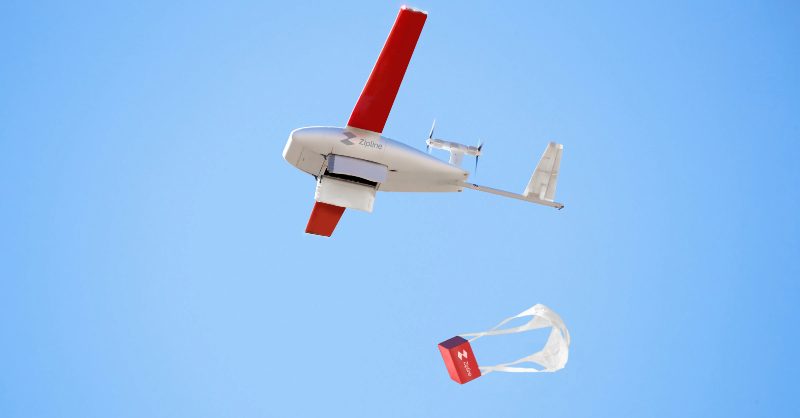
Zipline Secures $200M as Valuation Climbs to $7.6 Billion
Autonomous delivery pioneer Zipline has raised $200 million in fresh capital, pushing the company’s valuation to approximately $7.6 billion. The round is backed by major institutional investors Fidelity and Paradigm, underscoring strong confidence in the future of drone logistics and autonomous delivery networks.
Strategic Capital for Global Expansion
The new funding is expected to accelerate Zipline’s expansion beyond its core medical and essential goods delivery markets. The company has built a reputation for operating reliable drone delivery corridors in countries where road infrastructure is limited, cutting delivery times from hours to minutes for hospitals and clinics.
With this latest round, Zipline is poised to deepen its footprint in both emerging and developed markets, scale its fleet of autonomous aircraft and ground systems, and invest further in airspace integration and regulatory compliance. The backing from large-scale asset manager Fidelity and technology-focused investment firm Paradigm signals that investors view autonomous logistics as a long-term growth sector rather than a speculative bet.
Bet on Autonomous Logistics and Last-Mile Delivery
As retailers, healthcare systems, and governments search for more efficient ways to manage the last‑mile delivery challenge, drone delivery is increasingly seen as a practical complement to traditional ground transport. Zipline’s platform combines autonomous aircraft, AI‑driven routing software, and tightly integrated fulfilment operations to provide rapid, on‑demand delivery with a lower environmental footprint than conventional vehicles.
The company’s rising valuation places it among the most highly valued firms in the autonomous systems and logistics technology space. Investors are effectively betting that the combination of regulatory progress, maturing drone hardware, and scalable software infrastructure will push aerial delivery from niche deployments into mainstream use over the coming years.
For the broader market, the round marks another data point in the sustained appetite for late‑stage growth investments in companies building real‑world applications of automation and robotics, even as other segments of the startup ecosystem face tighter funding conditions.