

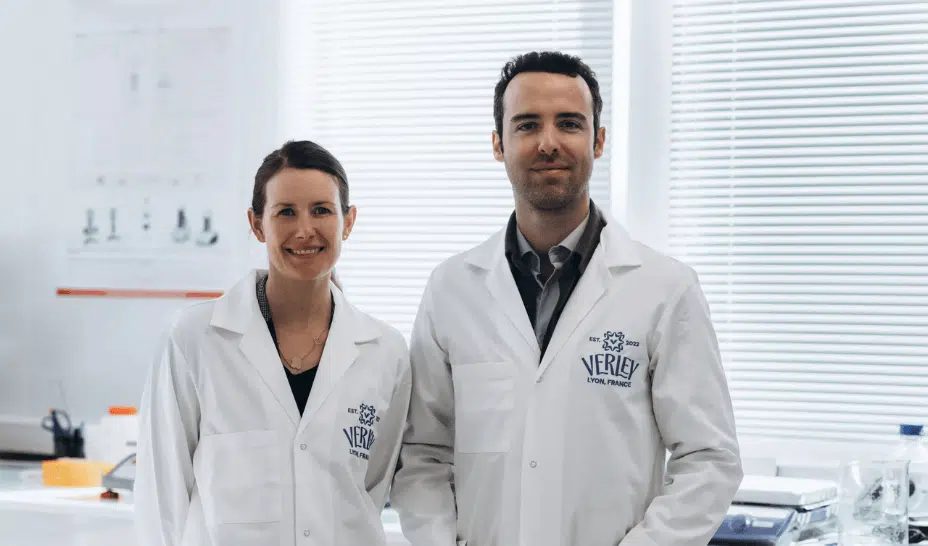
Verley Secures €32M to Power Next-Gen Whey Protein
European foodtech startup Verley has raised €32 million to accelerate the scale-up of its next-generation whey protein, produced via precision fermentation rather than traditional dairy farming. The funding underscores investors’ growing conviction that animal-free proteins can meet soaring global demand for high-quality nutrition while easing pressure on the planet.
Precision Fermentation Meets the Protein Boom
Verley uses precision fermentation to program microorganisms to produce bio-identical whey proteins inside stainless-steel tanks. This approach replicates the functional and nutritional properties of conventional dairy proteins—such as solubility, foaming, and amino acid profile—without cows, antibiotics, or large land and water footprints.
The new capital will be deployed to expand pilot facilities into commercial-scale production, optimize bioprocess engineering, and lower the cost per kilogram of protein. As global demand for sports nutrition, functional beverages, and high-protein snacks continues to rise, food manufacturers are searching for reliable, scalable alternatives to volatile dairy supply chains.
Industrial Scale-Up and Market Strategy
From Lab Breakthroughs to Commercial Volumes
The €32 million round will help Verley move from demonstration batches to industrial runs, focusing on fermentation capacity, downstream purification, and quality control. The company aims to achieve cost parity with premium dairy proteins, a critical milestone for widespread adoption in mainstream food and beverage products.
Targeting Brands and Formulators
Verley plans to supply its animal-free whey as a B2B ingredient to global brands in sports nutrition, dairy alternatives, and performance foods. By offering a consistent, traceable protein source with a significantly lower carbon footprint, the startup positions itself as a partner for manufacturers looking to hit both sustainability and product innovation targets.
Strategic Signal for European FoodTech
The funding round is another signal that European FoodTech and BioTech are maturing into capital-intensive, infrastructure-based industries. As regulators refine frameworks for novel proteins and consumers show rising interest in sustainable nutrition, investors are betting that platforms like Verley will anchor the next generation of climate-smart protein supply.