

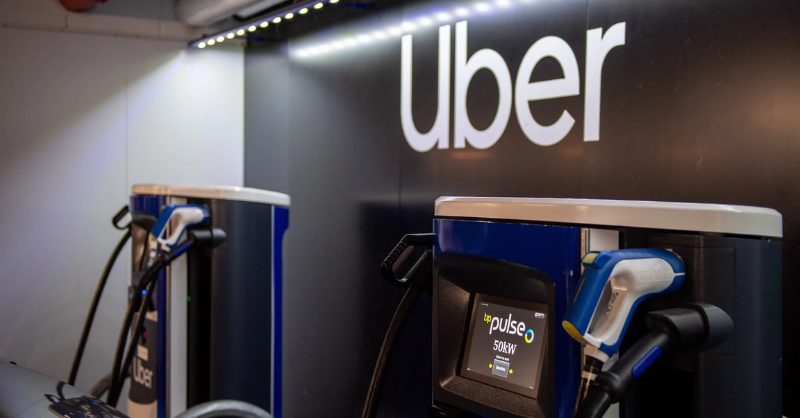
Uber commits $100M to robotaxi charging network
Uber is preparing a major infrastructure push, pledging to invest $100 million in fast-charging facilities designed specifically to support autonomous robotaxis operated by partners including Waymo and WeRide. The move underlines the ride-hailing giant’s strategy to position itself at the center of the emerging ecosystem for electric and self-driving vehicles.
The new capital will go toward building and upgrading fast-charging hubs in key metropolitan areas where robotaxi deployment is expected to accelerate over the next several years. These hubs will be optimized for high utilization, rapid turnaround times and seamless integration with fleet management software used by autonomous vehicle operators.
Supporting Waymo and WeRide robotaxis on Uber’s platform
Waymo, Alphabet’s self-driving unit, and Chinese autonomous driving company WeRide already operate robotaxi services in select markets. By investing in charging infrastructure tailored to these fleets, Uber aims to make its platform the preferred marketplace for both human-driven and autonomous rides.
Under the emerging model, customers would be able to hail a robotaxi via the Uber app, while the underlying vehicles, software and operations remain under the control of partners such as Waymo and WeRide. Uber focuses on demand aggregation, payments and routing, while its partners handle the core autonomous driving technology.
Strategic bet on EV and autonomous mobility
The $100 million infrastructure plan also aligns with Uber’s broader commitments around electric vehicles (EVs) and decarbonisation. High-speed charging hubs are seen as critical to achieving the uptime and reliability required for commercial robotaxi fleets, which can operate nearly around the clock.
Industry analysts note that control over charging infrastructure could become a strategic advantage as competition intensifies in autonomous mobility. By lowering energy and downtime costs for partners, Uber aims to attract more autonomous operators to its marketplace and secure a significant role in the next phase of urban transport.