

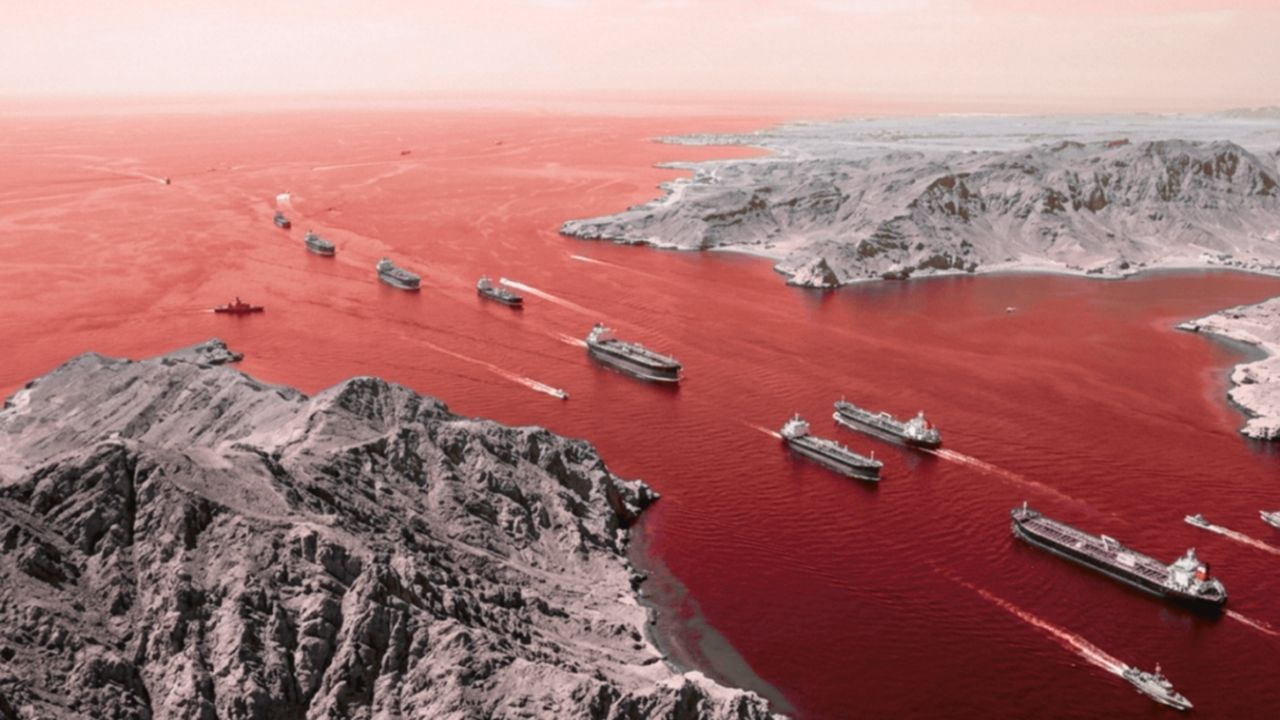
President Donald Trump urgently demands rapid international intervention to secure the Strait of Hormuz amid fatal military crashes and escalating embassy assaults.
The geopolitical landscape across the Middle East deteriorated further this weekend following a series of severe military and diplomatic incidents. Executive leadership in Washington is currently navigating a multi-front crisis involving maritime security blockades, direct assaults on diplomatic compounds, and the tragic loss of military personnel during active combat support operations.
The Call for Maritime Coalition
President Donald Trump issued an urgent directive to the international community, requesting immediate multilateral assistance to reopen the Strait of Hormuz. The critical maritime chokepoint, which connects the Persian Gulf to the Gulf of Oman, has faced severe operational disruptions amid the escalating regional conflict.
Administration officials relayed that the president expects allied nations to deploy their own naval assets to secure commercial shipping lanes. The executive branch argued that the United States should not bear the sole strategic and financial burden of protecting a waterway that serves as the primary transit route for a significant portion of global petroleum exports. The administration emphasized that global energy markets remain highly vulnerable to prolonged closures in the region.
Diplomatic Compounds Under Fire
Simultaneously, security forces in Iraq reported a direct kinetic assault on the United States Embassy located within the heavily fortified Green Zone in Baghdad. Initial security assessments indicated that multiple projectiles impacted the diplomatic compound late in the evening.
While the exact origin of the munitions remains under investigation, the incident highlights the extreme vulnerability of diplomatic personnel operating in the volatile capital. State Department representatives confirmed that emergency security protocols were immediately activated, though specific details regarding structural damage or civilian injuries were heavily restricted pending comprehensive damage assessments.
Tragic Losses in Aerial Operations
Adding to the severe escalation of the weekend, military officials at the Pentagon formally released the identities of six service members who perished in a recent aviation disaster. The Department of Defense confirmed that the casualties occurred when a military refueling aircraft suffered a catastrophic failure and crashed within the territorial borders of Iraq.
Military spokespersons detailed that the downed aircraft was actively conducting mid-air refueling procedures to support ongoing tactical operations directed toward Iran. The loss of the specialized aviation asset and its highly trained crew represents one of the deadliest single incidents for American forces since the current phase of the regional conflict began. Authorities stated that a comprehensive investigation into the mechanical or tactical causes of the crash has been initiated, and the families of the fallen personnel have been fully briefed.
The convergence of these three distinct events—the maritime blockade, the embassy assault, and the fatal aviation crash—paints a grim picture of the current operational environment. Defense analysts suggest that the simultaneous pressure points severely complicate the strategic calculus for the Department of Defense. The administration now faces the complex challenge of securing international maritime corridors while simultaneously defending terrestrial outposts in Baghdad and sustaining high-risk aerial logistics over hostile territories. Diplomatic channels are reportedly working around the clock to assemble a coalition willing to patrol the contested waters, but international responses have thus far been cautious due to the heightened risk of direct confrontation with regional state actors.