

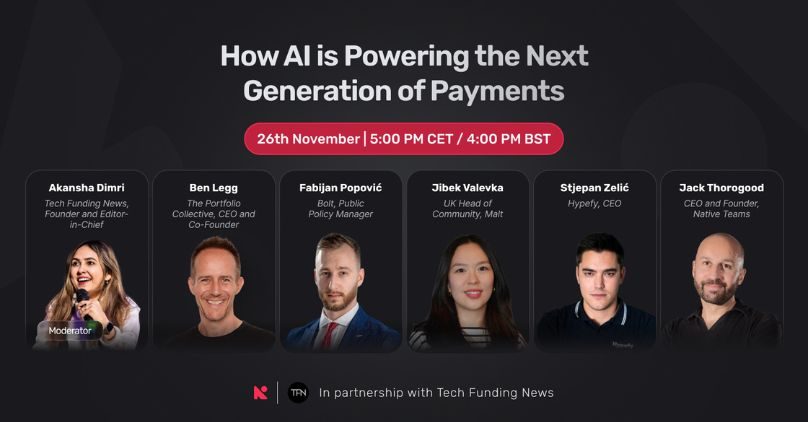
Introduction to Global Work
The concept of work is evolving rapidly in the 21st century, with technology playing a pivotal role in reshaping traditional employment paradigms. The idea of a global workforce, where individuals can work for any company or project irrespective of geographical barriers, is increasingly gaining traction. This emerging trend, often termed ‘global work’, promises a portfolio career filled with diverse opportunities that outshine the often static and geographically constrained local salaried positions.
The Shift From Local to Global Opportunities
Decentralization of Work
In recent years, technological advancements such as high-speed internet, advanced communication tools, and cloud computing have decentralized work. Employees no longer need to be physically present in an office, allowing companies to tap into a global talent pool. This shift has not only enhanced business operations but also empowered workers with the flexibility to work from anywhere in the world.
The Rise of the Portfolio Career
The global work model transcends the traditional employment framework, offering professionals a portfolio career – one where an individual can simultaneously work on multiple projects for different companies. This approach allows for varied experiences, continuous learning, and a more comprehensive professional development strategy. As a result, workers can diversify their income streams and gain a richer career experience.
Technological Innovations Facilitating Global Work
Remote Communication and Collaboration Tools
Technological tools like Zoom, Slack, and Microsoft Teams have become staples in the modern work environment, allowing teams to communicate and collaborate seamlessly from across the globe. These platforms facilitate virtual meetings, instant messaging, and project management, ensuring productivity is maintained irrespective of team members’ locations.
The Role of Artificial Intelligence and Automation
AI and automation play a significant role in enabling the global workforce. From automated scheduling tools to AI-driven language translation services, technology mitigates logistical challenges that previously made remote work daunting. Automation also streamlines repetitive and time-consuming tasks, allowing professionals to focus on more strategic aspects of their roles.
Challenges and Considerations
Overcoming Cultural Barriers
While the benefits of a global workforce are substantial, companies and workers must navigate cultural differences. Understanding and respecting diverse cultures and working styles are crucial for successful collaboration. Businesses need to foster an inclusive culture that embraces diversity, ensuring all team members feel valued and engaged.
Managing Time Zones and Work-Life Balance
Global work often requires managing time zones, which can be challenging for coordination and collaboration. Flexible working hours and asynchronous communication practices are essential to accommodate different time zones while maintaining productivity. Additionally, professionals need to be mindful of maintaining a work-life balance, as remote work can blur the lines between personal and professional life.
The Future of Global Work
Implications for Businesses and Workers
The trajectory of global work suggests a future where boundaries become increasingly irrelevant. For businesses, this means embracing a diverse range of perspectives and skills, leading to innovative solutions and competitive advantage. For workers, it signifies greater freedom, agility, and satisfaction by carving out personalized, fulfilling career paths.
Policy and Regulatory Changes
Governments and institutions worldwide are recognizing the implications of global work and are beginning to adapt policies to support this shift. This includes crafting legislation addressing employment rights, taxation, and data protection in a borderless working context. These regulatory frameworks will be crucial in ensuring that the evolution towards global work is both sustainable and equitable.
In conclusion, global work represents a paradigm shift in how we define and engage in professional endeavors. It offers unprecedented opportunities for businesses and individuals alike to transcend traditional limitations and embrace a future brimming with potential and growth.