

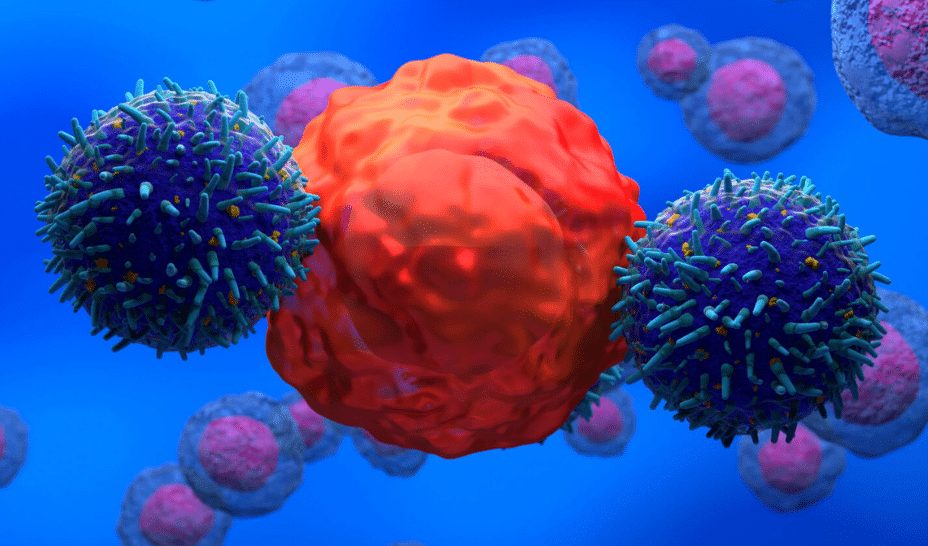
T-CURX, a German biotechnology startup focused on developing new cancer treatments, has secured €17.7 million in fresh funding to push its pipeline forward. The financing highlights sustained investor appetite for European biotech innovation—particularly in oncology, where scientific progress and clinical need continue to attract capital despite a more selective venture market.
The round is intended to support the company’s next stages of research and development, including work aimed at translating its scientific approach into therapeutic candidates that can move toward clinical testing. While the broader life sciences funding environment has moderated compared with the peak years of 2020–2021, investors have continued to prioritize platforms with a clear therapeutic thesis, defensible science, and a path to measurable milestones.
Why the €17.7 million matters for European oncology
Funding rounds at this size are often pivotal for early-stage drug developers. For startups building cancer therapies, capital is typically deployed across several expensive and time-sensitive activities: expanding discovery programs, scaling laboratory capabilities, conducting preclinical studies, and preparing the documentation and manufacturing plans needed for regulatory submissions.
In the context of European venture capital, a €17.7 million raise can be a signal that investors see credible potential for the company to generate near-term value through defined deliverables—such as selecting a lead candidate, demonstrating compelling preclinical efficacy, or establishing early safety indicators that support an eventual first-in-human study.
What T-CURX aims to build: therapies designed for unmet needs
Cancer remains one of the world’s most complex medical challenges, and many patients still face limited options—especially when tumors resist existing treatments or recur after initial response. Startups like T-CURX typically position their work around addressing these gaps, whether by improving tumor targeting, increasing durability of response, or reducing side effects that limit dosing.
Although specific program details can vary by company, the strategic intent behind funding announcements in oncology generally centers on accelerating the transition from promising research into drug candidates that can be tested in humans. This “bench to bedside” path requires not only scientific validation but also operational readiness—building the right teams, partnerships, and data packages to satisfy regulators and potential pharmaceutical collaborators.
From discovery to clinical readiness
For a biotech at this stage, the next 12–24 months often focus on:
- Preclinical validation to confirm that therapeutic candidates behave as expected in relevant models.
- Candidate selection to prioritize the most promising programs based on efficacy, safety, and manufacturability.
- CMC planning (chemistry, manufacturing, and controls) to ensure a therapy can be produced consistently at the quality required for trials.
- Regulatory preparation to support filings that enable first-in-human studies.
Each step can consume significant resources, and delays can be costly—making well-timed financing essential for maintaining momentum.
Investor interest returns to fundamentals in biotech funding
Across Europe, the life sciences sector has seen a shift toward disciplined deployment of capital. Investors increasingly look for clear mechanistic rationale, differentiated approaches, and a strong plan for milestone-driven progress. In oncology, where competition is intense and clinical trials are expensive, startups are expected to articulate why their approach can succeed where others have fallen short.
The financing secured by T-CURX suggests that its backers believe the company has a credible development roadmap and the scientific foundation to justify continued investment. For founders, this kind of round can also unlock additional advantages beyond cash—such as access to investor networks, recruiting support, and introductions to strategic partners that can accelerate research or future commercialization plans.
Germany’s growing role in the European biotech pipeline
Germany has steadily strengthened its position as a European hub for life sciences, supported by academic research, specialized talent, and a maturing ecosystem of venture investors and biotech operators. As more German startups raise meaningful rounds, the market benefits from a reinforcing cycle: experienced teams spin out new companies, investors gain confidence in local deal flow, and service providers—from contract research organizations to manufacturing partners—expand capabilities.
For the broader ecosystem, a €17.7 million raise also signals that oncology innovation remains a priority area for capital allocation. Even as macroeconomic uncertainty and higher interest rates have influenced risk appetite, cancer-focused platforms with strong scientific narratives can still command attention.
What comes next for T-CURX
With new funding in place, T-CURX is expected to focus on advancing its R&D programs and generating the data needed to support subsequent development steps. In biotech, progress is typically measured in milestones rather than revenue, and the company’s ability to hit technical and regulatory targets will shape both its timeline and its options for future financing.
For readers tracking European startup momentum, the round underscores a consistent theme: while the bar for funding has risen, investors continue to back teams tackling high-impact medical problems with approaches that can be translated into real-world therapies.
Dailyza will continue monitoring how T-CURX deploys the €17.7 million and what milestones emerge as the company pushes its cancer treatment programs toward the clinic.
1 Comment
It’s encouraging to see strong support for innovative cancer therapies, especially from European biotech startups. Hopefully, this funding helps accelerate the development of treatments that can make a real difference for patients in need.