

SportIQ Secures $6.2M to Embed AI in Basketballs
Helsinki-based sports analytics company SportIQ has raised $6.2 million to accelerate its vision of putting AI-powered sensors inside every professional basketball. The fresh capital will be used to scale manufacturing, deepen data partnerships with leagues, and enhance the company’s real-time analytics platform for coaches, players and broadcasters.
AI Inside the Ball: How the Technology Works
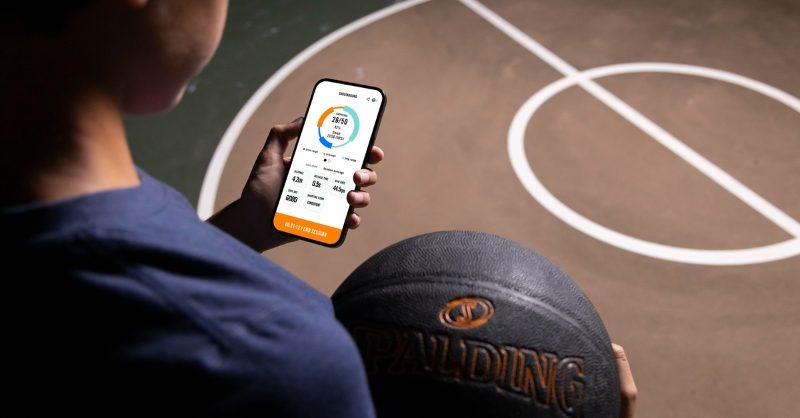
SportIQ integrates miniaturized sensors directly into the valve of each basketball, enabling continuous tracking of ball movement without altering game feel or weight. Using embedded motion sensors and proprietary AI algorithms, the system captures data on shot trajectory, spin, release speed, pass patterns and ball possession in real time.
The data is transmitted to an analytics platform that can be accessed on the bench, in training facilities, or in production control rooms. By combining ball data with optical tracking of players, SportIQ aims to deliver a unified view of every possession, supporting advanced metrics such as shot quality, offensive efficiency and defensive pressure.
New Tools for Teams, Leagues and Broadcasters
For professional teams, the technology promises more objective player evaluation and tailored training plans. Coaches can review shot profiles for each player, identify inefficient zones on the court and track how in-game fatigue affects shooting mechanics. Leagues gain richer performance analytics to support officiating review, player development and fan-facing statistics.
Broadcasters can integrate real-time data overlays into live feeds, such as shot probability, ball speed and spin rate, creating new storytelling formats for viewers and additional inventory for sponsors. The company also sees potential in fantasy sports and betting markets, where verified, low-latency ball data can underpin new forms of engagement.
Scaling Toward Global Adoption
With the new funding, SportIQ plans to expand its footprint beyond Europe into North American and Asian leagues, while exploring opportunities at the collegiate and elite youth levels. The startup is positioning its embedded-sensor model as a more precise and tamper-resistant alternative to purely camera-based tracking systems, betting that AI-enhanced sports equipment will become standard in next-generation arenas.