

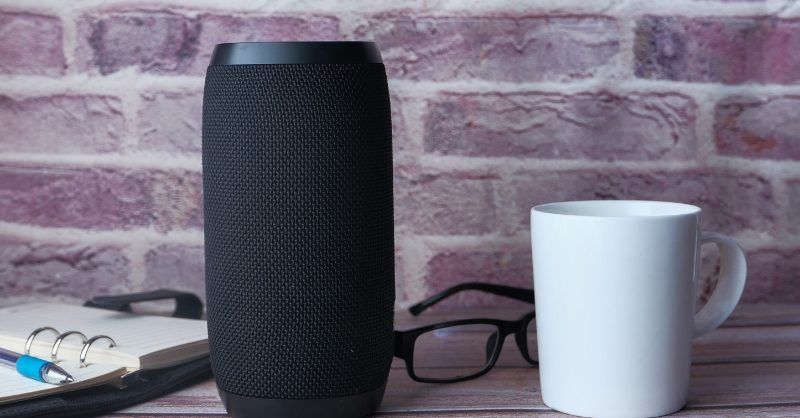
Smart speakers started as convenient voice-controlled assistants for setting timers and checking the weather. But in living rooms, kitchens, and bedrooms, they’ve become something more influential: a default music system that can subtly reshape listening habits, discovery, and even the way households negotiate taste. The question isn’t only whether people are buying more devices—it’s whether the devices are changing what “listening to music” means in everyday life.
From intentional listening to frictionless playback
Before voice-first devices, playing music often required a small ritual: choosing an album, connecting headphones, or opening an app and selecting a playlist. With a smart speaker, a single command can fill a room in seconds. That convenience matters because it lowers the threshold for turning music on—and it changes the circumstances in which music is consumed.
For many households, music via smart speaker becomes a background utility rather than a deliberate activity. People ask for “something relaxing” while cooking, “upbeat music” during cleaning, or “kids songs” during breakfast. This shift toward functional listening encourages broader, mood-based requests instead of artist-specific choices, which can reduce the number of moments where listeners sit with a full album or explore a discography intentionally.
The power of voice: fewer choices, different choices
Voice search introduces a new kind of gatekeeping: what the device understands, what it believes you meant, and what it decides to play when your request is vague. When a user says, “Play jazz,” they aren’t selecting from a list—they’re delegating the decision to a platform’s recommendation system and catalog priorities.
That delegation can be helpful, but it also narrows behavior. On screens, people scroll, compare, and sample. On voice, they accept the first result more often, because asking again feels like work. This “single answer” dynamic has implications for discovery: the top results and default mixes become disproportionately powerful, and smaller artists can be harder to reach without very specific prompts.
Pronunciation and ambiguity can steer listening
Voice interfaces can struggle with artist names, non-English titles, and similar-sounding tracks. In practice, that means listeners may unconsciously simplify requests to avoid errors—asking for mainstream genres or well-known artists rather than taking a chance on unfamiliar names. Even when the device gets it right, the extra effort required to be precise can discourage exploration.
Algorithmic playlists are becoming the new radio
Smart speakers tend to emphasize continuous playback—stations, mixes, and “for you” playlists designed to keep music flowing. These experiences are driven by recommendation algorithms, which optimize for engagement, low skip rates, and session length. The result can feel like a personalized radio station: always on, always adapting, and often surprisingly accurate.
But personalization changes the cultural function of music. Traditional radio and shared playlists created common reference points. Algorithmic listening can fragment those shared experiences, giving each household member a tailored stream that rarely overlaps with others outside the home. Over time, discovery becomes less social and more automated.
Sound quality: convenience often wins, but expectations are rising
Early smart speakers were criticized for modest audio performance compared with dedicated hi-fi systems. Yet the category has matured, with more models offering multi-driver setups, room calibration, and stereo pairing. For many listeners, “good enough” sound combined with immediate access to virtually any song outweighs the pursuit of audiophile perfection.
Still, smart speakers can influence what people think music should sound like. If the primary listening environment is a single speaker in a reverberant kitchen, listeners may adapt to a more compressed, louder, and less detailed sound. Conversely, higher-end devices can raise expectations and encourage people to notice production details they previously ignored.
Volume normalization and the feel of music
Many platforms apply loudness normalization to keep tracks at consistent levels. While this can be pleasant for casual listening, it can also flatten the dramatic dynamics of certain genres. Over time, the “feel” of music—how a quiet verse contrasts with a loud chorus—may be experienced differently in voice-first, always-on contexts.
The household effect: music becomes negotiated space
Smart speakers are often shared devices. That changes who controls playback and how music fits into daily routines. In a family setting, the person who is most comfortable using voice commands may become the de facto DJ. In shared apartments, music can become a subtle point of conflict: who gets to choose, what’s appropriate for common spaces, and how loud is too loud.
At the same time, smart speakers can make music more communal. Instead of isolating listening through headphones, people can fill a room and create shared moments—morning routines, dinner playlists, or weekend cleaning soundtracks. The device becomes a social object, not just a personal one.
Privacy and data: what the speaker learns from listening habits
Because smart speakers rely on microphones and cloud services, they raise ongoing questions about data privacy. Even when devices are designed to activate only after a wake word, users often worry about what is recorded, how requests are stored, and how listening behavior feeds into advertising profiles or recommendation systems.
Music preferences can be revealing—moods, routines, languages spoken at home, and even religious or political content consumption. As smart speakers become central to home audio, consumers and regulators are likely to scrutinize how platforms handle voice data, household profiles, and cross-device tracking.
What this means for artists and the music industry
As smart speakers shape discovery, artists and labels increasingly care about how their music is surfaced through voice. Metadata accuracy—artist names, track titles, pronunciations, and genre tags—becomes crucial. So does playlist placement, because “play something like…” often routes listeners into algorithmic stations where a track’s performance can influence future recommendations.
For the industry, the shift reinforces the importance of platform relationships and the mechanics of recommendation systems. For artists, it can mean optimizing not only for human fans but also for machine-led discovery—without losing the identity that makes music memorable in the first place.
A quiet shift in how music lives at home
Smart speakers aren’t replacing every form of listening—headphones, concerts, car stereos, and dedicated hi-fi systems remain essential. But they are changing the default: music as instant, voice-triggered, algorithm-guided ambience. The more that default spreads, the more listening becomes less about choosing a record and more about asking a device to set the tone of the room.