

Artificial intelligence firm Simile secured venture funding to simulate consumer behavior, allowing massive corporations to survey digital clones without limits.
The public opinion research sector is currently navigating a significant crisis of confidence, particularly following the widespread inaccuracies recorded prior to the recent national elections. To address the fundamental difficulties of extracting accurate sentiments from human populations, a newly funded technology enterprise is proposing an entirely synthetic alternative.
According to financial reports recently published by the Wall Street Journal, an artificial intelligence startup operating under the name Simile has successfully secured one hundred million dollars in venture capital. The massive financial injection was heavily supported by Index Ventures, providing the organization with substantial resources to construct predictive algorithmic models designed to forecast human behavior across massive demographic scales.
Constructing Digital Twins
The core operational premise of the organization involves replacing traditional telephone and online surveys with synthetic respondents. Joon Park, who serves as the chief executive officer and co-founder of Simile, outlined the mechanical framework of the technology to financial reporters. He explained that the company trains its algorithmic agents using vast datasets comprised of conversational interviews conducted with actual individuals.
Once the initial language training is complete, engineers integrate concrete behavioral statistics and historical consumer purchasing habits into the software. This complex synthesis reportedly transforms the basic algorithms into highly accurate digital twins of real human demographics. Market researchers and corporate analysts can then endlessly survey these artificial constructs instead of conducting expensive and time-consuming physical focus groups. Corporate clients are granted unrestricted access to interrogate their assigned artificial populations without encountering the typical logistical hurdles of human fatigue or unresponsiveness.
Inspiration from Virtual Sandboxes
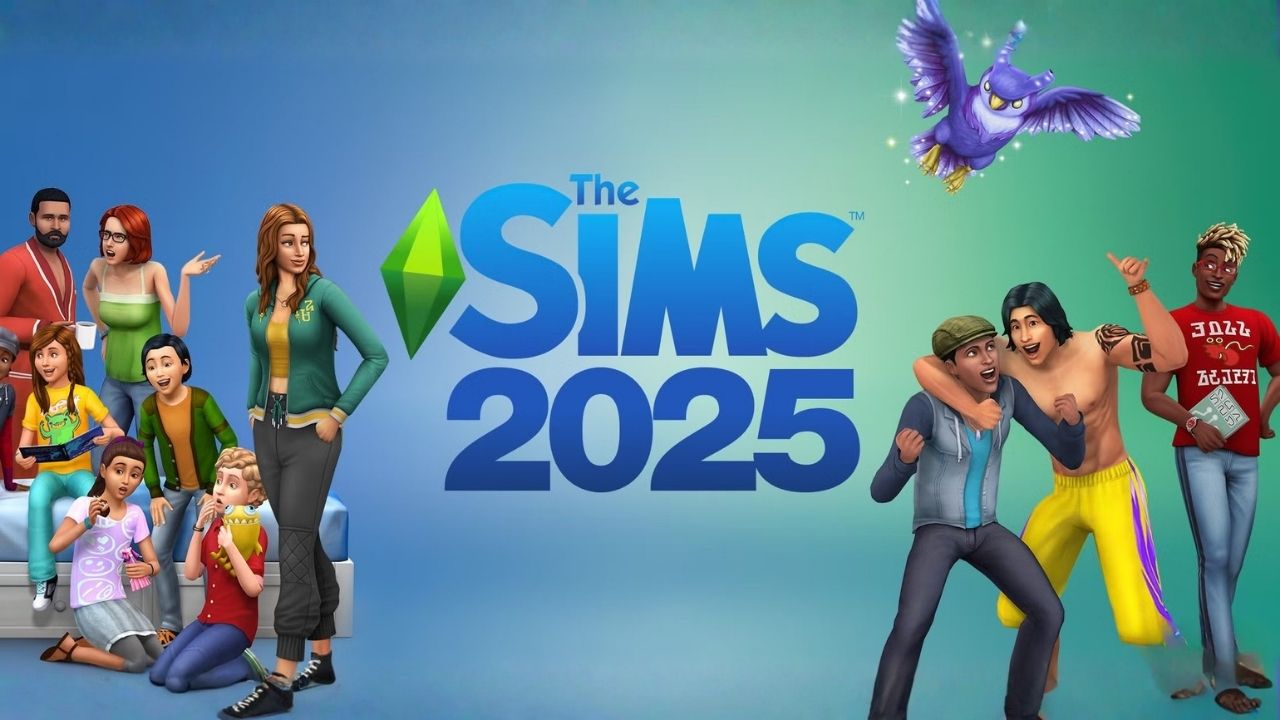
The conceptual foundation for these digital populations shares a direct lineage with popular life simulation software. While corporate press materials rarely highlight the connection, the underlying architecture was heavily inspired by the video game franchise The Sims, a property previously described to the New Yorker by its original creator as a satirical exploration of modern consumerism.
The transition from gaming to corporate analytics is firmly rooted in academic literature. In the previous year, Joon Park co-authored a comprehensive research paper detailing the deployment of generative algorithms within an interactive, simulated town. That academic experiment featured twenty-five distinct software agents communicating through natural language. The research documented these entities, assigned generic identifiers like Sam and Tom, spontaneously interacting in simulated environments such as grocery stores, where they naturally debated local politics and community involvement without pre-programmed scripts.
Corporate and Political Applications
Major retail conglomerates are already actively deploying the technology to harvest consumer insights. Sri Narasimhan, who operates as the vice president of enterprise customer experience for the pharmacy giant CVS, confirmed the integration of the synthetic polling software into their corporate workflow. The retail executive indicated that the platform effectively eliminates respondent fatigue, allowing analysts to extract unlimited data points. Initial deployment involved surveying digital clones regarding pet medication habits, leading to internal conclusions regarding consumer tolerance for animal healthcare routines.
Following these initial trials, CVS is reportedly preparing to aggressively scale its synthetic testing environment. The retail corporation plans to populate its servers with one hundred thousand digital consumer clones to rapidly test hypothetical store layouts and evaluate unreleased product designs before committing to physical manufacturing.
Beyond commercial retail, the technology is also expanding into the realm of civic and political research. The startup recently formalized a strategic partnership with the polling organization Gallup. This specific collaboration aims to test the viability of utilizing massive clusters of algorithmic clones to accurately predict public reactions to proposed government policies. By modeling synthetic decisions against verified, real-world sentiment, the partnered organizations hope to establish a transparent and entirely replicable alternative to the increasingly unreliable traditional polling industry.