

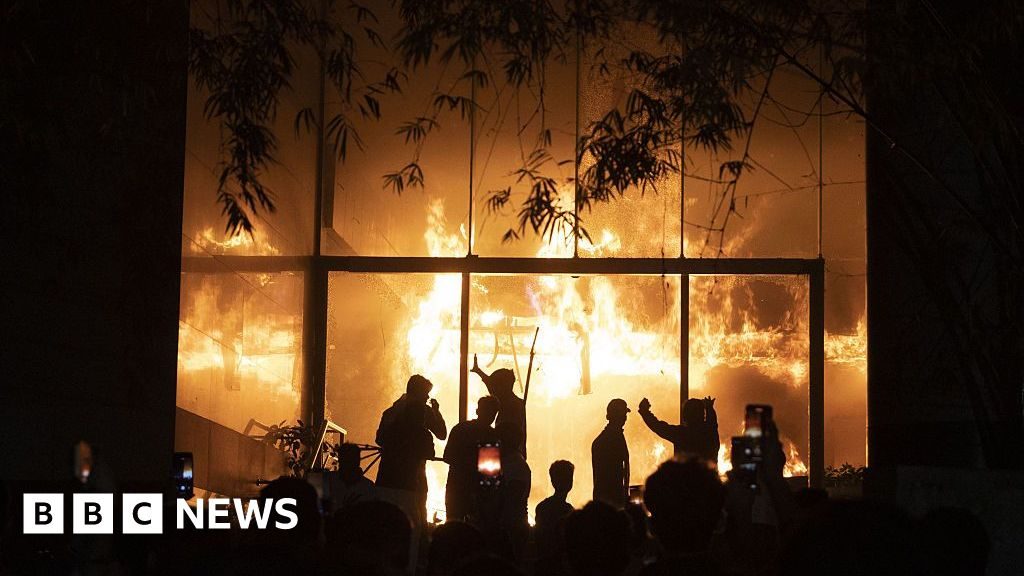
Sharif Osman Hadi, described by supporters as a prominent figure in the movement that ousted former prime minister Sheikh Hasina, has become a focal point in conversations about Bangladesh’s recent political upheaval and what comes next. His rising profile reflects how protest leaders and organisers can quickly shift from street-level influence to national relevance when power changes hands.
While public information about Hadi’s formal political role remains limited in the provided material, the framing of him as a “prominent figure” signals that he was more than a peripheral participant. In many modern protest movements, visibility often comes from coordinating logistics, shaping messaging, building coalitions, and sustaining momentum—work that can be decisive even without holding an official title.
Why Sharif Osman Hadi’s name is surfacing now
The ouster of a long-standing leader tends to trigger a scramble for narratives: who led, who financed, who organised, and who now speaks for the coalition that brought change. In that context, Sharif Osman Hadi stands out as a symbol of the broader mobilisation that challenged Sheikh Hasina’s leadership.
Movements that succeed in forcing a political transition often contain multiple strands—students, labour groups, civil society networks, opposition parties, and community organisers. A figure identified as “prominent” may have served as a bridge among these groups, helping align priorities and maintain discipline during volatile moments. That bridging function can matter as much as speeches or social media reach, particularly when authorities attempt to fragment a coalition.
The movement that ousted Sheikh Hasina: what prominence can mean
Political movements rarely have a single command structure. Instead, they rely on informal leadership and credibility earned through action. Being prominent can mean several things, including:
- Acting as a public-facing spokesperson during key demonstrations
- Coordinating on-the-ground mobilisation and protest safety
- Helping negotiate among factions with competing demands
- Documenting events and shaping public perception domestically and abroad
In Bangladesh and across South Asia, protest movements have increasingly intersected with digital organising, where rapid dissemination of information can both energise supporters and raise the risk of misinformation. That has heightened the importance of trusted intermediaries—people whose names circulate because communities believe they can verify claims, calm tensions, or articulate aims with clarity.
Political transitions and the struggle to define legitimacy
When a leader is removed, the immediate question becomes legitimacy: who has the mandate to govern, and what process will determine it? In transitional periods, individuals associated with the winning movement can gain influence quickly, but they also face scrutiny about their intentions, affiliations, and capacity to contribute to stable governance.
For Bangladesh, any post-ouster landscape will likely revolve around familiar fault lines: the role of institutions, the conduct of elections, the protection of civil liberties, and the management of economic pressures. The public’s expectations can be high after a successful mobilisation, but meeting them requires more than protest energy—it requires policy competence, institutional buy-in, and the ability to keep a diverse coalition from splintering.
From protest leadership to governance questions
Figures like Sharif Osman Hadi may face a pivotal choice: remain movement leaders focused on accountability and reform, or transition toward formal politics. Each path carries risks. Entering party politics can dilute a leader’s cross-group appeal; staying outside can limit direct influence on policy outcomes. Either way, public attention tends to intensify as the country debates what the movement was “for,” not only what it was “against.”
What supporters and critics will watch next
As Hadi’s profile rises, supporters are likely to highlight his role in mobilisation and the moral urgency of the movement. Critics, meanwhile, may question the movement’s internal decision-making, its sources of support, and whether prominent figures can uphold democratic norms once the immediate objective—removing a leader—has been achieved.
Key issues that typically define the credibility of post-ouster actors include commitments to:
- Transparent decision-making and public accountability
- Non-violence and restraint in political competition
- Protection of minority rights and freedom of expression
- Clear timelines and processes for elections and institutional reform
In many transitions, public trust can erode quickly if new power brokers appear to replicate old patterns. That is why prominent movement figures often become lightning rods: they embody both hope for change and fear that change may be captured by elites or factional interests.
A defining moment for Bangladesh’s civic space
Bangladesh’s civic space—its ability to accommodate dissent, organise peacefully, and debate policy openly—will shape how the post-Hasina period is remembered. The prominence of Sharif Osman Hadi underscores the power of civic mobilisation, but it also highlights the responsibilities that come with visibility in a fragile moment.
Whether Hadi emerges as a sustained political actor or remains a movement figure, his association with the campaign that ousted Sheikh Hasina places him within a larger story about how modern protest movements alter national trajectories. For many Bangladeshis, the central question now is not only who helped bring about change, but who can steward the country through the harder work of building consensus after the streets fall quiet.