

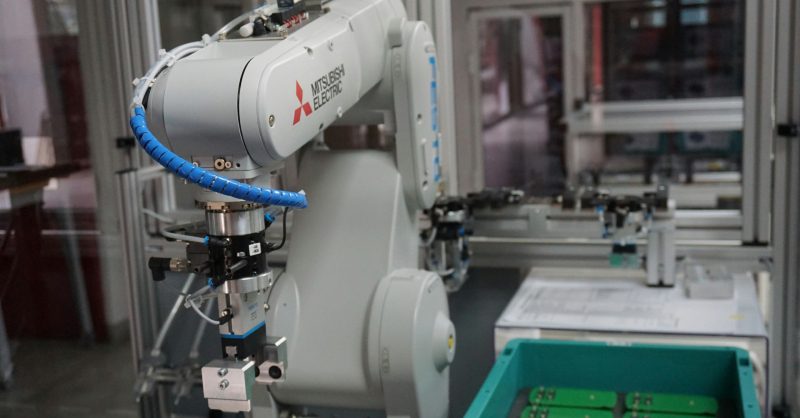
The Emergence of Smart Manufacturing
Over the past decade, the industrial sector has witnessed a technological transformation that is revolutionizing traditional manufacturing processes. Known as smart manufacturing, this innovation combines advanced information and manufacturing technologies to create flexible, efficient, and responsive production processes. The term refers to the leveraging of a combination of computational techniques, digital connectivity, and automation in the manufacturing environment to enhance productivity and adapt promptly to changing market demands.
Defining Smart Manufacturing
Smart manufacturing involves the comprehensive integration of various manufacturing systems through the use of modern technologies such as the Internet of Things (IoT), artificial intelligence (AI), big data analytics, cloud computing, and cyber-physical systems. This integration allows manufacturers to monitor, simulate, and optimize production processes in real-time, enhancing the overall decision-making abilities of industrial operations. By embedding sensors and devices throughout the manufacturing process, organizations are able to track production variables and observe patterns, leading to improved quality and reduced downtime.
The Pillars of Smart Manufacturing
IoT and Connectivity
At the heart of smart manufacturing is IoT technology, wherein connected devices communicate and interact with each other and the humans that operate them. This connectivity enables a seamless flow of information across different stages of production, facilitating robust data analytics and process transparency.
Artificial Intelligence and Machine Learning
AI and machine learning play a crucial role in smart manufacturing by providing predictive analytics and automated decision-making capabilities. These technologies allow systems to learn from data patterns, predict equipment failures, optimize resources, and enable complex problem-solving processes without human intervention.
Data Analytics
Data serves as the backbone of smart manufacturing, where big data analytics allows for the real-time processing of vast amounts of information collected from different sensors and devices. By analyzing this data, manufacturers can gain insights into operational efficiencies, supply chain behaviors, and customer preferences, refining their strategies and operations.
Benefits of Smart Manufacturing
Smart manufacturing offers numerous advantages that are transforming industries around the globe. The integration of advanced technologies leads to increased efficiency, optimized supply chains, and reduced operational costs. Factories become more adaptable to changes in consumer demand and trends, fostering innovation and improving competitiveness in the global market.
Enhanced Flexibility and Customization
One of the paramount benefits of smart manufacturing is its ability to enhance manufacturing flexibility and customization. By making use of agile technologies and modular systems, manufacturers can quickly shift production configurations and adapt to or even anticipate market trends, resulting in more personalized products.
Improved Quality and Efficiency
Through real-time monitoring and data analytics, smart manufacturing processes can maintain and improve product quality. Systems are designed to automatically detect deviations in production, allowing for immediate corrections and reducing defects. This ensures that products meet high-quality standards while minimizing waste and inefficiencies.
Challenges and Future Directions
Despite the numerous advantages, the pathway to fully realizing smart manufacturing is fraught with challenges. These include significant initial investment costs, data security and privacy concerns, and the need for a skilled workforce capable of managing advanced technologies. Manufacturers must also address the issue of integrating legacy systems with new technologies, which can be both technically challenging and expensive.
Adapting to Technological Change
The rapid pace of technological advancements necessitates continuous adaptation. Manufacturers must invest in both the technology and the training required to equip their workforce with the necessary skills to operate increasingly sophisticated systems effectively.
Looking Ahead
As we move forward, smart manufacturing will likely evolve further, incorporating emerging technologies like quantum computing and more advanced robotics. Furthermore, the push for sustainability is expected to drive innovation, with smart technologies playing a pivotal role in reducing carbon footprints and promoting eco-friendly production practices. Industries worldwide must embrace this digital evolution to sustain competitiveness and secure a future in the ever-evolving global market.
1 Comment
It’s exciting to see how smart manufacturing is reshaping the industry by making production more efficient and adaptable. I’m curious to see how smaller manufacturers will adopt these technologies and what new challenges might come with such rapid digital integration.