

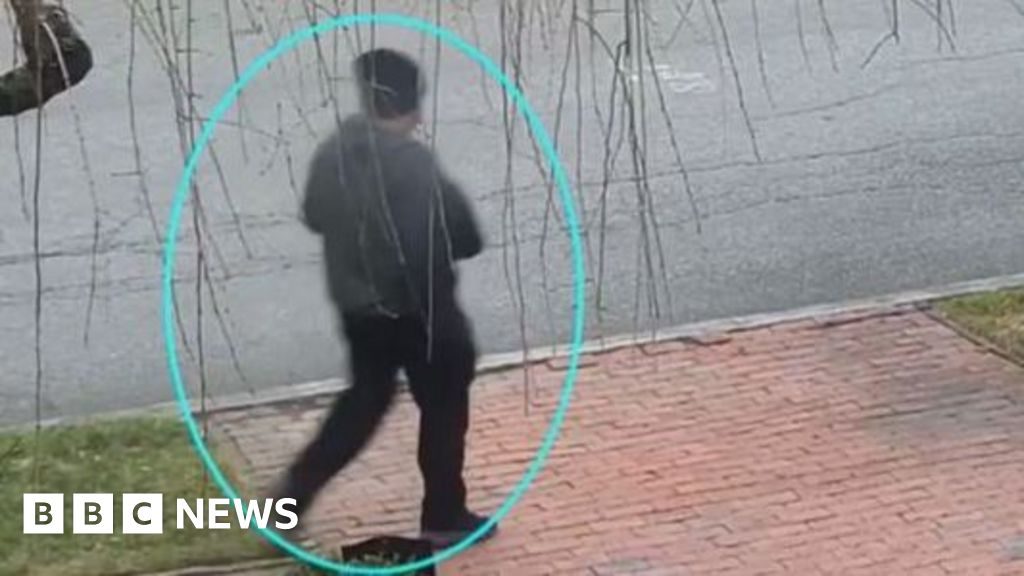
Police investigating an incident have appealed to the public to help identify a “person of interest” after confirming that no suspect has yet been formally identified. Detectives are asking residents and businesses to review CCTV footage from the area and to come forward with any information that could assist the inquiry.
The request, issued as officers continue to gather evidence, underscores a familiar pressure point in modern investigations: crucial leads can hinge on a few seconds of video, a recollection of a passing detail, or a witness who initially assumed what they saw was insignificant. Investigators say the case remains active and that they are pursuing multiple lines of enquiry.
What police mean by “person of interest”
In public appeals, the term person of interest is often used to describe an individual detectives believe may be able to help with an investigation. It does not necessarily mean the person has committed an offence, and it is not the same as naming a suspect. Police typically use the phrase when they want to speak to someone who may have been in a particular location at a relevant time, may have witnessed events, or may have information that could clarify the timeline.
By asking the public to help identify this individual, investigators are signalling that they believe the person could provide information that materially advances the case. In many investigations, identifying and interviewing such individuals can confirm or eliminate theories, corroborate witness statements, or help police locate additional evidence.
Why CCTV review is central to the appeal
Police are specifically requesting that the public review CCTV footage, which can include video from home doorbells, private security systems, business cameras, vehicle dashcams, and public transport cameras. In densely monitored areas, the challenge is rarely the absence of video—rather, it is the volume of material and the time required to sift through it.
Investigators often build a timeline by mapping camera locations, identifying relevant time windows, and tracking movements between viewpoints. Even footage that does not show the incident itself can be valuable if it captures someone arriving, leaving, changing direction, or interacting with others. Small details—distinctive clothing, a bag, a bicycle, a vehicle, or a particular gait—can help confirm identity or connect separate pieces of evidence.
What the public should look for
Police typically urge people who live or work nearby to check footage for:
- Any individual matching the description or images released by investigators
- Unusual activity at relevant times, including loitering or hurried movement
- Vehicles stopping briefly, making repeated passes, or taking atypical routes
- Interactions that appear tense, hurried, or out of place
- Objects discarded, picked up, or carried in a way that draws attention
Even if footage appears unclear, police may be able to enhance images, cross-reference with other cameras, or combine multiple angles to strengthen identification.
How public tips can help—without compromising the investigation
Public appeals can generate a surge of information, ranging from high-quality leads to mistaken identifications. Investigators must carefully verify each tip to avoid misdirecting resources. Police also tend to limit what they disclose publicly to protect the integrity of interviews, preserve the value of undisclosed evidence, and avoid influencing witness recollections.
For members of the public, the most helpful approach is to provide what they know, how they know it, and what they are unsure about. Police generally value accuracy over certainty. If someone believes they recognize the person shown in CCTV, investigators typically want details such as where the individual may live or work, distinctive features, and any context that supports the identification—while avoiding speculation about motives.
Responsible sharing and privacy concerns
Police appeals can also raise concerns about privacy and online vigilantism, particularly when images circulate rapidly on social media. Authorities commonly advise the public not to publicly name individuals or share unverified claims, as misidentification can cause serious harm and may hinder the inquiry. The preferred route is to send information directly to police via official channels.
What happens next in the investigation
When police ask the public to identify a person of interest, it often indicates that investigators have a partial picture—perhaps a clear image but no confirmed name, or a known name but no location. Once identified, detectives will typically seek to interview the individual, compare their account against established timelines, and assess whether further action is required.
At the same time, investigators may continue to:
- Collect and review additional CCTV from wider areas and longer time windows
- Conduct door-to-door enquiries for witnesses who have not come forward
- Request digital evidence, such as dashcam clips from drivers in the area
- Carry out forensic work where relevant, including examination of recovered items
- Cross-check tips against police intelligence and prior reports
Police have not indicated how long the person of interest was in the area or whether they were accompanied by anyone else, but such details are often clarified as the investigation progresses and more footage is reviewed.
How to assist police if you have footage or information
Authorities generally ask anyone with relevant footage to preserve the original file, note the exact time and date stamps, and avoid editing or compressing the video, which can degrade quality. If the footage comes from a doorbell camera or cloud service, saving a local copy can prevent automatic overwriting.
People who believe they have information are encouraged to contact police through official reporting lines. If a situation is urgent or presents an immediate risk, emergency services should be contacted. Police also often accept information anonymously through dedicated tip lines, depending on the jurisdiction.
With no suspect named, investigators say public assistance could be pivotal in identifying the person of interest and establishing a clearer account of events as the enquiry continues.
1 Comment
It’s good to see the police keeping the community involved—sometimes small details from everyday folks can really make a difference. Hopefully, someone comes forward with helpful info soon so they can get to the bottom of this. Staying vigilant and checking any footage could be key.