

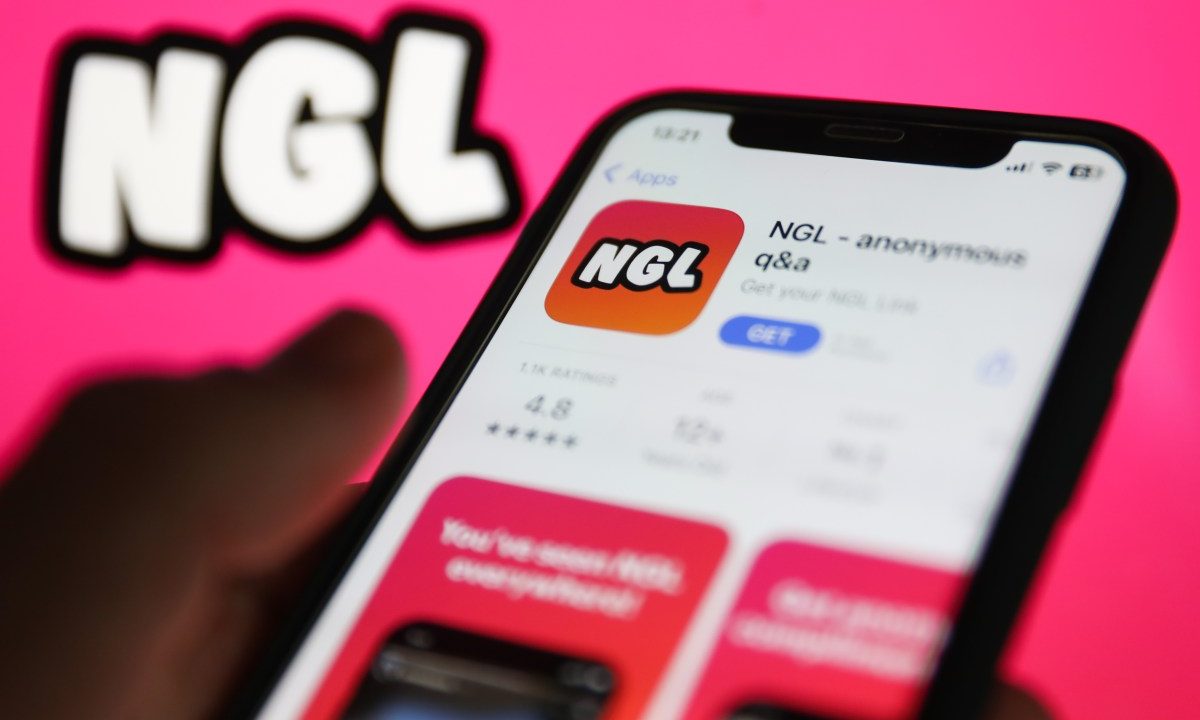
Dailyza has learned that anonymous messaging app NGL has been acquired by smartphone rewards startup Mode Mobile, a company known for monetizing engagement through ads and “earn” mechanics. The deal lands at a pivotal moment for NGL, which rose quickly in the App Store after launching in late 2021 but spent much of its short life under scrutiny for safety concerns, deceptive tactics, and regulatory action.
According to reporting by TechCrunch, NGL announced the acquisition Friday. The move brings NGL under the umbrella of Mode Mobile, which markets an “EarnPhone” concept that rewards users for activity while generating revenue via advertising. While financial terms were not disclosed in the source report, the acquisition immediately raises questions about how a controversial social product fits into a rewards-driven, ad-heavy business model—especially after federal regulators moved to restrict NGL’s access to minors.
NGL’s rise: viral growth, then persistent controversy
NGL became a breakout among a wave of anonymous Q&A apps popular with teens, enabling users to solicit anonymous questions and messages—often shared through social channels. That virality helped it climb charts quickly, but the same anonymity that fuels engagement can also amplify harm.
Critics have long argued that anonymous messaging products can encourage harassment and bullying, particularly among younger users. The broader category has faced repeated backlash as parents and policymakers scrutinize how these apps shape teen social dynamics, mental health, and exposure to abuse.
Snapchat’s crackdown on third-party anonymous apps
In 2022, Snapchat banned third-party apps including NGL and similar services from its platform after a parent sued the company over its alleged role in her teenage son’s suicide, as cited in the original reporting. The ban underscored a central tension for anonymous apps: they often rely on distribution through major social platforms, but those platforms can cut off access when safety risks and reputational costs rise.
Regulatory pressure: FTC action and a ban on minors
The most significant blow to NGL’s business came from the Federal Trade Commission (FTC). After a two-year investigation, the FTC announced in 2024 that it would ban NGL from offering its app to minors—one of the agency’s more forceful interventions in the consumer social app space aimed at protecting young users.
The FTC also alleged that NGL deployed deceptive practices. In a statement referenced by TechCrunch, the regulator described a “bait-and-switch” approach and said NGL executives dismissed complaining users as “suckers.” NGL paid a $5 million fine and complied with the FTC’s demands, the report said.
For many startups, an FTC order can reshape product roadmaps overnight. Restrictions tied to minors can affect everything from onboarding flows and identity checks to marketing channels and monetization—especially for apps whose early growth was driven by teens and school networks.
The business issue: fake messages and paid “hints”
NGL’s controversies extended beyond general category risk. The app was accused of sending users messages that appeared to come from real people but were actually automated, a tactic that can inflate engagement and create social pressure to keep using the product.
Some users were reportedly nudged toward a $9.99 monthly subscription to receive “hints” about who sent messages—only to later discover those messages were not authentic. The combination of automated prompts and paid upsells placed NGL at the center of a debate about manipulative design, dark patterns, and how far consumer apps can go to manufacture urgency and curiosity.
In a market where trust and safety is increasingly a competitive differentiator, allegations of synthetic engagement can be especially damaging. They invite regulatory attention, platform enforcement, and user backlash—three forces that can stall growth even for formerly viral products.
Why Mode Mobile wants NGL
Mode Mobile operates in a different lane: smartphone rewards and advertising-driven monetization. Products in this category typically focus on frequent user actions—watching ads, completing tasks, or engaging with features that can be measured and monetized.
From that perspective, acquiring NGL may look like a bet on two assets: a recognizable brand that once had significant reach, and a social interaction loop that can drive daily engagement. But the acquisition also imports NGL’s liabilities, including the reputational baggage of teen safety concerns and the constraints of the FTC order.
Any attempt to revive NGL’s growth would likely require a reworked product strategy that aligns with the FTC’s restrictions. That could mean stronger age-gating, more aggressive content moderation, clearer labeling around automated content, and a monetization model that avoids the appearance of coercive upsells.
Staffing changes and what they signal
Per Business Insider, NGL’s founders Raj Vir and João Figueiredo are moving on from the app. The report also said the remaining three employees will join Mode Mobile.
Founder departures often indicate a transition from a startup’s original vision to a new operational phase—either a turnaround, a compliance-driven rebuild, or an integration where the product becomes one feature among many. With a lean team transferring, Mode Mobile may be acquiring primarily the product, brand equity, and user base remnants rather than a large organization.
What happens next for users and the wider app ecosystem
For users, the immediate questions are practical: whether NGL will change its subscription offerings, how it will communicate about anonymous messaging, and what safeguards will be added to prevent harassment. For the industry, the deal is another signal that anonymous social products remain attractive for engagement, even as regulators and platforms tighten the rules around youth protection and deceptive design.
Mode Mobile’s acquisition of NGL arrives in a climate where social apps are increasingly judged not only by growth, but by how they manage risk—especially when minors are involved. Whether Mode can rehabilitate NGL’s reputation while operating within the FTC’s constraints will likely determine if the app becomes a cautionary relic of early-2020s growth hacking, or a rebranded product shaped by a stricter era of consumer protection.