

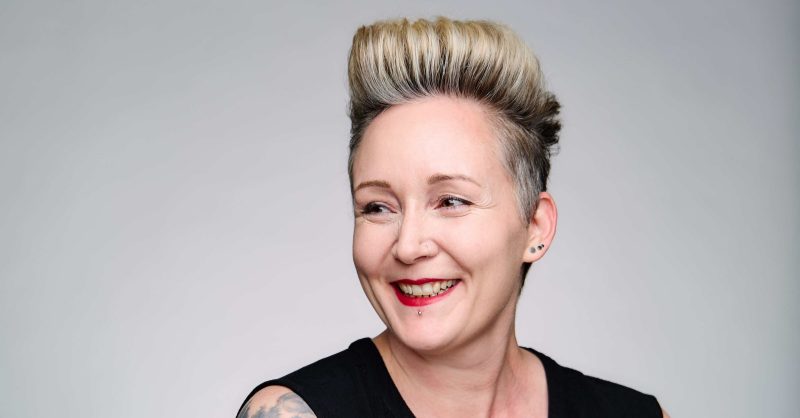
Menotracker Founder Swaps Corporate Law for Femtech Innovation
Leaving a secure career in corporate law, Sonja Rincón has emerged as a prominent voice in femtech with the launch of Menotracker, a privacy-first AI menopause app now used in 177 countries. Her mission is to give women clinically grounded, stigma-free support during menopause without exploiting their most intimate health data.
A Global Menopause Companion Powered by AI
Menotracker helps users log symptoms, track patterns and understand how lifestyle, medication and hormones interact over time. Using proprietary AI algorithms, the app surfaces personalised insights, suggests evidence-based coping strategies and flags when users should seek medical advice.
Unlike many consumer health platforms, Menotracker is designed around strict data privacy principles. The company avoids building detailed advertising profiles and does not sell or share identifiable health data with third parties, a stance that has become central to its brand identity.
Refusing to Monetise Data Sparks VC Debate
Rincón’s decision to reject data-driven revenue models has made fundraising more complex. Some venture capital firms reportedly pushed for looser privacy policies, arguing that anonymised data sales or targeted ads could accelerate growth and increase valuations.
Sonja Rincón has held the line, insisting that a menopause platform must treat user trust as its primary asset. Her strategy focuses on subscription plans, premium features and partnerships with clinics and employers rather than exploiting user information for advertising.
Redefining Trust in Digital Women’s Health
The Menotracker story highlights a broader tension in digital health: whether sensitive data should fuel aggressive growth or remain tightly protected. By prioritising ethical AI and transparent consent, Menotracker aims to prove that a sustainable business can be built without compromising user privacy.
As the femtech sector expands and more women seek digital support for menopause, Rincón’s stance could influence how future health apps balance innovation, profitability and respect for personal data.