

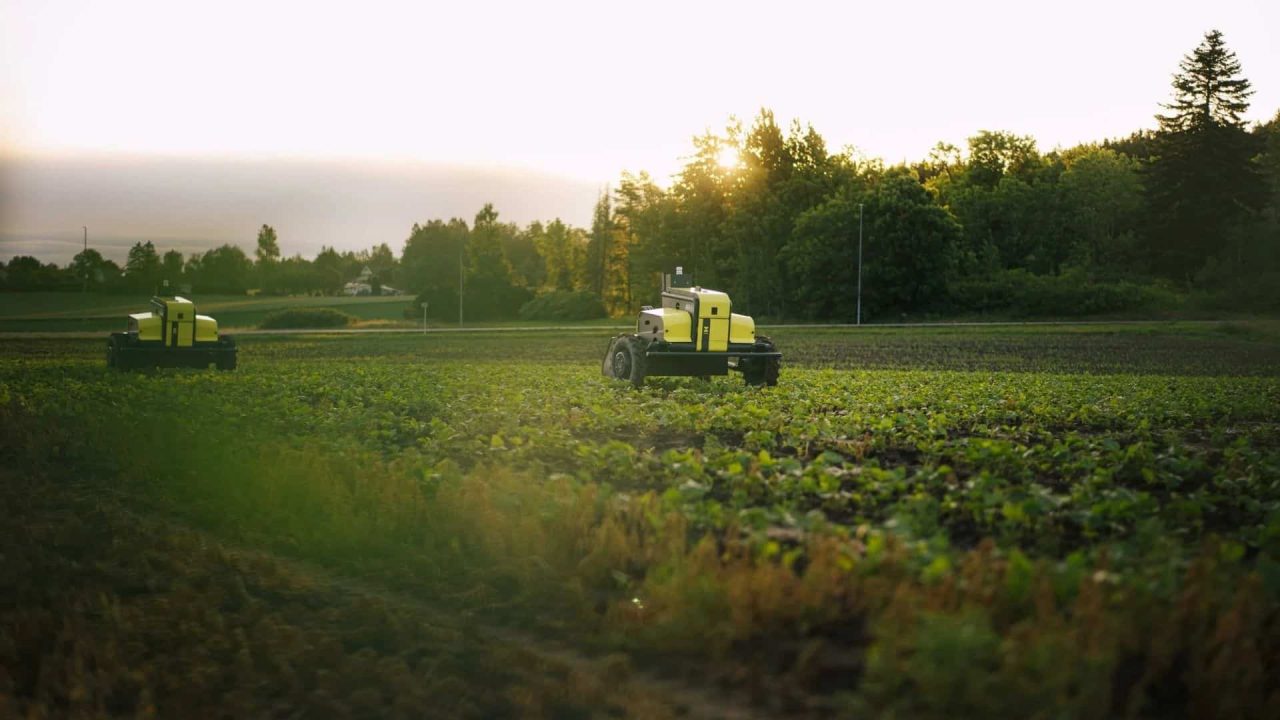
Kilter secures fresh capital for autonomous weeding push
Norwegian agri-tech startup Kilter has raised €6.5 million to accelerate the deployment of its autonomous precision weeding technology and prepare the company for an upcoming Series B round. The new funding will support commercial scale-up across Europe and further development of its field-proven robotics platform.
Targeting herbicide-free weed control
Kilter develops autonomous robots that use advanced computer vision and AI algorithms to identify and remove weeds with high accuracy, reducing or eliminating the need for chemical herbicides. By combining high-resolution cameras, real-time image processing and robotic arms, the system can selectively target weeds while protecting crops.
The technology is designed to help farmers address tightening regulations on pesticide use, rising input costs and growing pressure to reduce the environmental footprint of agriculture. Precision weeding can lower chemical usage, cut labour needs and improve yields, while supporting the transition to more sustainable farming practices.
Scaling across European agriculture
The €6.5 million injection will be used to expand Kilter‘s fleet of autonomous units, strengthen its engineering team and enhance its underlying AI and machine learning models. The company plans to deepen pilots and commercial deployments with large-scale farms and cooperatives in key European markets.
By preparing early for a larger Series B round, Kilter aims to position itself as a leading player in the fast-growing market for agricultural robotics and precision agriculture solutions. The startup’s strategy focuses on proving unit economics in real farm environments and demonstrating measurable reductions in herbicide use and operating costs.
Robotics at the heart of future farming
The investment reflects increasing investor confidence in agri-tech and the role of autonomous systems in addressing food security, climate pressures and labour shortages. As regulators push for lower chemical inputs and consumers demand more sustainable food production, solutions such as Kilter’s precision weeding technology are expected to move from pilot projects to mainstream adoption over the coming years.