

A Strategic Pivot for Space Exploration
Jeff Bezos has officially broken a 26-year tradition by opening Blue Origin to outside investment. Since its inception in 2000, the aerospace company has relied almost exclusively on the personal fortune of its founder. This move signals a significant evolution in the company’s strategy as it moves from development phases to active commercial deployment.
Scaling Commercial Operations
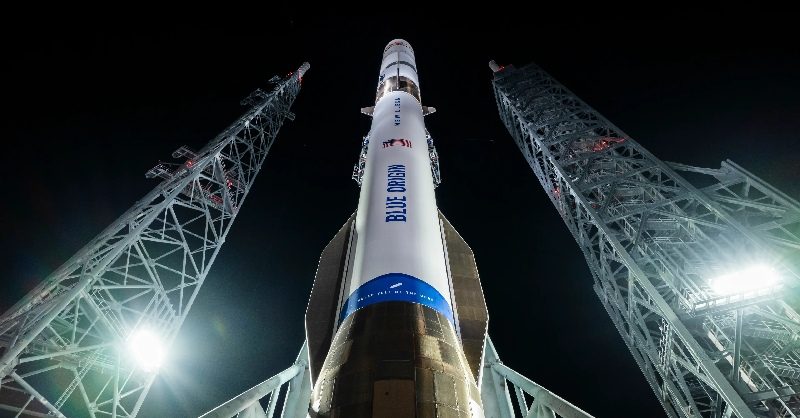
The decision to invite external capital is largely driven by the need to accelerate the production of New Glenn, the company’s heavy-lift orbital launch vehicle. By integrating Venture Capital and institutional funding, Blue Origin aims to compete more aggressively in the global Space Economy. Analysts suggest that the rising demand for satellite constellations and lunar logistics requires a capital structure that moves beyond single-source financing.
The Future of Blue Origin
While Jeff Bezos remains the primary stakeholder, the influx of outside funds will provide the necessary runway to scale manufacturing facilities and enhance Rocket Propulsion technology. This transition is expected to bolster the company’s standing against rivals in the Commercial Spaceflight sector. Dailyza understands that this shift is not merely about liquidity, but about establishing a sustainable corporate framework capable of supporting long-term lunar and deep-space missions. As the Aerospace Industry faces increasing pressure to deliver reliable, cost-effective launch solutions, this strategic opening marks a pivotal moment for the firm’s infrastructure and market reach.