

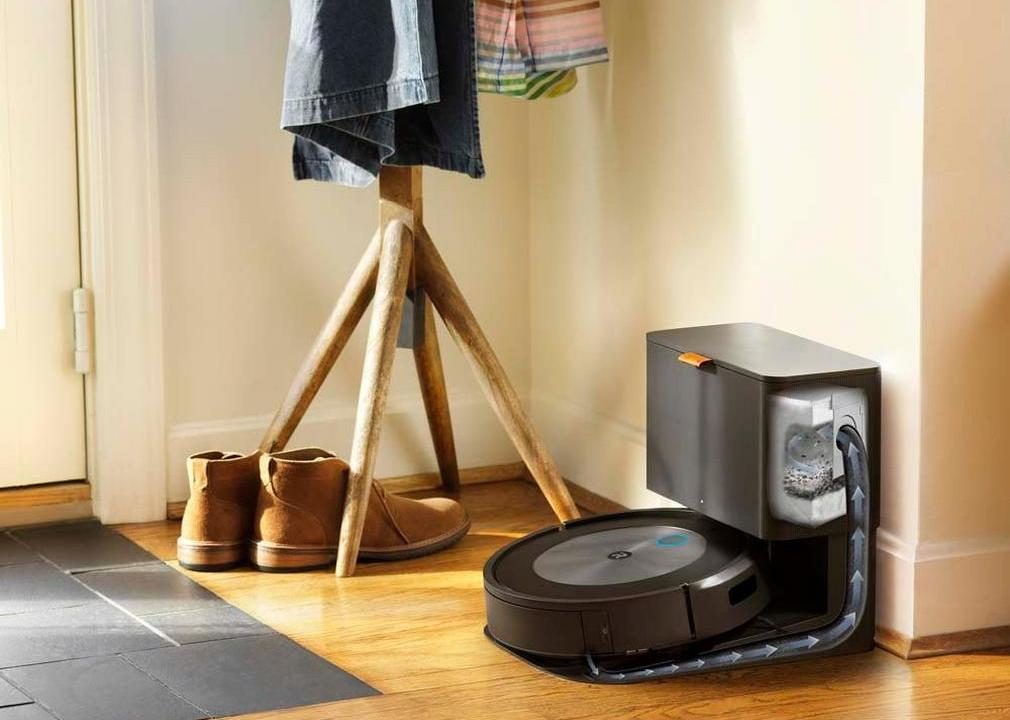
A brutal stretch for consumer and mobility hardware played out in public filings this week: iRobot, Luminar, and Rad Power Bikes each moved into bankruptcy proceedings within days of one another. The companies sell very different products—robot vacuums, lidar sensors, and electric bikes—but their stumbles rhyme in ways that matter for the broader hardware economy.
Across these cases, recurring pressures show up: tariffs and supply-chain costs that refuse to fully normalize, heavy dependence on a narrow set of products, and strategic bets—especially major partnerships—that didn’t land. For investors and customers, the filings are also a reminder that hardware is unforgiving: margins are thin, capital needs are constant, and one missed cycle can become an existential threat.
Three bankruptcies, three sectors—one familiar pattern
While the brands sit in different corners of the market, their trajectories share a common arc: early momentum built on a signature product, followed by a struggle to diversify revenue and defend pricing as competition intensified.
Rad Power Bikes: from pandemic surge to demand hangover
Rad Power Bikes grew into one of the most recognizable names in direct-to-consumer e-bikes, benefiting from pandemic-era demand as consumers rethought commuting and local transportation. Bankruptcy filings cited in industry coverage indicate the company generated well over $100 million in revenue in 2023 (around $123 million), then slid to roughly $100 million the following year and about $63 million through the filing year—an abrupt descent that underscores how quickly discretionary categories can cool.
The e-bike market also became noisier and more price-competitive. Many low-cost entrants flooded online marketplaces, compressing margins and raising customer acquisition costs. For brands that built scale during a demand spike, the post-spike period can be punishing: inventory turns slow, discounts deepen, and service obligations remain.
Luminar: lidar promise meets slower-than-hyped autonomy timelines
Luminar rose during the peak enthusiasm around autonomous vehicles, aiming to make lidar sensors smaller, cheaper, and viable for passenger cars. The company secured notable commercial relationships, including with Volvo, and was linked to other automaker discussions over time. But autonomous driving timelines have repeatedly stretched, and automakers have become more conservative about new sensor stacks, especially when costs, integration complexity, and regulatory uncertainty collide.
For suppliers like Luminar, concentration risk can be severe. If a few programs represent the bulk of expected volume, delays or cancellations can cascade into financing stress. Hardware suppliers also face an additional challenge: even when a deal is signed, the path from announcement to meaningful revenue can be long, milestone-based, and vulnerable to shifting OEM priorities.
iRobot: a household name squeezed in a crowded category
iRobot is the most consumer-visible of the three. Its Roomba helped define the robot vacuum category, but that category matured and commoditized. Competition expanded, feature parity increased, and pricing pressure intensified—particularly as rivals used aggressive promotions to win market share. In mature consumer electronics, brand recognition alone rarely guarantees pricing power, especially when replacement cycles lengthen and incremental improvements feel less essential to households.
For iRobot, the broader lesson is about product dependence. When a company is closely identified with one iconic device line, it can be difficult to create the next growth engine quickly enough to offset category saturation and increased competition.
Why hardware fails differently than software
These filings highlight a structural reality: hardware businesses often carry risks that compound.
- Working capital is relentless. Inventory must be purchased before it is sold, and misjudging demand can lock cash into warehouses.
- Gross margins are vulnerable. Component costs, freight, warranty claims, and returns can erase profits, especially when discounting becomes the primary lever to drive volume.
- Channel strategy is unforgiving. Direct-to-consumer requires expensive marketing and support. Retail distribution can mean lower margins and dependence on shelf space and promotions.
- Product cycles are slower. Iterating physical goods takes time, and missteps are expensive to correct once tooling and inventory are committed.
Software companies can sometimes pivot quickly, cut costs by shrinking cloud spend, or shift pricing models. Hardware companies, by contrast, often face fixed commitments—manufacturing contracts, logistics, service networks—that make sudden course corrections far harder.
Tariffs, failed partnerships, and the “too-narrow” business model
Industry commentary around the filings points to three recurring stressors.
Tariff pressure and cost volatility
Tariffs and cross-border manufacturing complexity remain a persistent drag, particularly for consumer goods that rely on global component ecosystems. Even when headline freight rates fall, total landed cost can remain unpredictable once duties, compliance, and last-mile logistics are factored in. In price-sensitive categories like robot vacuums and e-bikes, companies often can’t pass those costs through without losing share.
Big deals that don’t translate into durable revenue
Hardware companies frequently depend on a small number of pivotal partnerships—an automaker program, a major retail rollout, or a strategic acquisition. When those arrangements are delayed, renegotiated, or fall apart, the revenue gap can be too large to bridge with incremental sales. This dynamic is especially acute in the automotive supply chain, where timelines are measured in years and program changes can be sudden.
Success that becomes a trap
Each company became known for a defining product: Roombas, lidar for autonomy, and accessible e-bikes. That identity can be an advantage until it becomes a constraint—when the market moves on, competitors replicate features, or customers decide what they already own is “good enough.” Without a second act—new categories, recurring service revenue, or differentiated ecosystems—growth can stall quickly.
What consumers and the industry should watch next
Bankruptcy does not automatically mean products disappear overnight. In many cases, companies continue operating while restructuring, seeking buyers, or renegotiating debts. For customers, the practical questions are about warranty support, parts availability, and software or app maintenance—critical for connected devices and modern mobility products.
For the hardware sector, the more important question is what these filings signal about the next 12 to 24 months: a tighter financing environment for capital-intensive device makers, more consolidation among mid-sized brands, and a heightened focus on profitability over growth-at-all-costs. The companies that endure will likely be those with disciplined inventory planning, diversified revenue streams, and enough differentiation to defend margins without relying on perpetual discounting.
For an industry that often celebrates bold product visions, this week’s filings are a quieter reminder that execution, cost control, and resilience matter just as much as invention—and that the physical world is less forgiving than a pitch deck.