

Dailyza — Three recognizable names in consumer and mobility hardware hit the same wall this week: iRobot, Luminar, and Rad Power Bikes each filed for bankruptcy, underscoring how unforgiving the current environment has become for companies that build physical products. While their markets differ—robot vacuums, automotive lidar, and e-bikes—the pressures sound familiar: rising costs, volatile demand, and a global manufacturing landscape reshaped by trade friction and relentless low-cost competition.
A week of filings that signals a broader hardware squeeze
The near-simultaneous bankruptcies land as a cautionary signal for the broader hardware ecosystem, including startups that once assumed scale and brand recognition would eventually unlock profitability. Unlike software businesses that can iterate quickly and distribute at near-zero marginal cost, hardware companies wrestle with high fixed expenses, inventory risk, warranty exposure, and the need to finance production long before revenue arrives.
In the current cycle, those structural challenges are colliding with a harsher external backdrop: renewed tariff pressure, uneven consumer spending, and supply chains that remain vulnerable to shipping disruptions, component constraints, and geopolitical uncertainty. For hardware makers, even small shocks can cascade—turning a production delay into missed seasonal demand, or a cost increase into a margin wipeout.
iRobot: A household brand that couldn’t outrun market realities
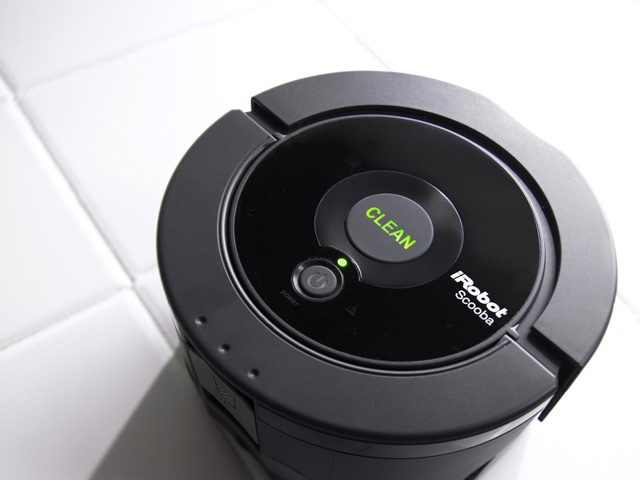
iRobot, best known for the Roomba line, became a symbol of consumer robotics long before “smart home” became a mainstream phrase. Yet brand equity does not guarantee resilience when pricing power erodes and competition accelerates.
The company’s struggles illustrate a hard truth about mature consumer categories: once a product becomes widely understood and supply chains commoditize, competitors can flood the market with look-alike alternatives at lower prices. That dynamic can force incumbents into a painful choice—discount heavily to defend volume or hold price and watch market share slip. Either path can be punishing when costs rise at the same time.
iRobot’s recent history also reflects how strategic uncertainty can compound operating challenges. The company famously came close to being acquired by Amazon, a deal that would have promised distribution advantages and ecosystem integration. When a high-profile transaction stalls or collapses, it can leave a company squeezed between the expectations of a “next chapter” and the realities of an intensely competitive market that demands immediate execution.
Luminar: The lidar bet meets a slower-than-hoped autonomy timeline
Luminar helped define the modern wave of automotive lidar, a sensor technology positioned as critical for advanced driver-assistance systems and, eventually, higher levels of vehicle automation. But the automotive sector is a brutal proving ground: long sales cycles, stringent qualification requirements, and production ramps that can be delayed by a single OEM program change.
Many lidar companies built their plans around rapid adoption curves—expecting vehicle platforms to incorporate sensors quickly and at scale. Yet the path from pilot programs to large-volume series production has been uneven across the industry. Automakers have faced their own margin pressures, EV demand fluctuations, and shifting priorities around what features consumers will pay for right now.
For suppliers, that can translate into delayed purchase orders, revised pricing expectations, and extended timelines that strain cash reserves. When a business is simultaneously funding R&D, manufacturing readiness, and customer support for long qualification cycles, a slowdown in adoption can become existential—especially if capital markets are less willing to fund ongoing losses.
Rad Power Bikes: Demand swings and the China supply chain trap
Rad Power Bikes rose quickly during the e-bike boom, benefiting from pandemic-era shifts toward personal mobility and outdoor recreation. But the post-boom hangover has been severe for many direct-to-consumer brands: demand normalized, marketing costs remained high, and price competition intensified.
Rad Power’s situation also highlights a recurring vulnerability for U.S.-based consumer hardware brands: dependence on Chinese manufacturing. Even when companies diversify final assembly or logistics, deep component ecosystems—frames, motors, batteries, controllers—often remain concentrated. That exposure becomes especially painful when tariffs rise or trade policy changes, because the cost increases can be difficult to pass through to price-sensitive customers.
E-bikes also carry unique operational burdens. Batteries and electronics increase warranty and compliance complexity, shipping can be expensive, and service networks are harder to scale than a typical consumer electronics support model. When sales slow, the fixed costs of support, inventory, and returns can quickly overwhelm margins.
Why these bankruptcies matter beyond three companies
Together, the filings reinforce a sobering message: hardware is not just “software with atoms.” The sector’s business model is inherently exposed to macro shocks, and the current moment is stacked with them. Several themes stand out.
1) Tariffs and trade tensions are no longer a background risk
For years, many companies treated tariffs as a planning variable—painful but manageable. Now, tariff uncertainty is increasingly a strategic constraint that can reshape sourcing, pricing, and even product roadmaps. Hardware companies that cannot rapidly reconfigure suppliers may find themselves absorbing costs they didn’t model for.
2) Cheap overseas competition compresses margins fast
In categories like robot vacuums and e-bikes, competitors can undercut pricing quickly, especially when they benefit from scale, subsidies, or integrated supply chains. When consumers perceive products as interchangeable, differentiation becomes expensive—requiring brand spend, distribution incentives, and frequent feature upgrades.
3) Capital markets are less forgiving of long timelines
In the prior era of abundant funding, companies could finance multi-year ramps toward profitability. Today, investors want clearer paths to cash flow, and lenders scrutinize inventory risk. For hardware firms with heavy working capital needs, that shift can be decisive.
What hardware startups and investors will take from this week
These bankruptcies are likely to influence how founders pitch and how investors diligence physical-product businesses in 2026. Expect sharper questions about supplier concentration, contingency plans for tariff changes, and the ability to flex production without getting trapped in excess inventory. Companies may also face higher expectations to build service networks, warranty reserves, and realistic demand forecasts earlier in their lifecycle.
For consumers, the immediate impact may show up in product support uncertainty—repairs, replacement parts, software updates, and warranties can become complicated in bankruptcy proceedings. For the broader industry, the bigger impact is psychological: a reminder that even well-known names can fail when global costs rise and markets shift faster than operations can adapt.
Hardware will keep producing breakout successes, but this week’s filings from iRobot, Luminar, and Rad Power Bikes make one point unmistakable: building and scaling physical products has become a high-wire act, and the safety net is thinner than it used to be.