

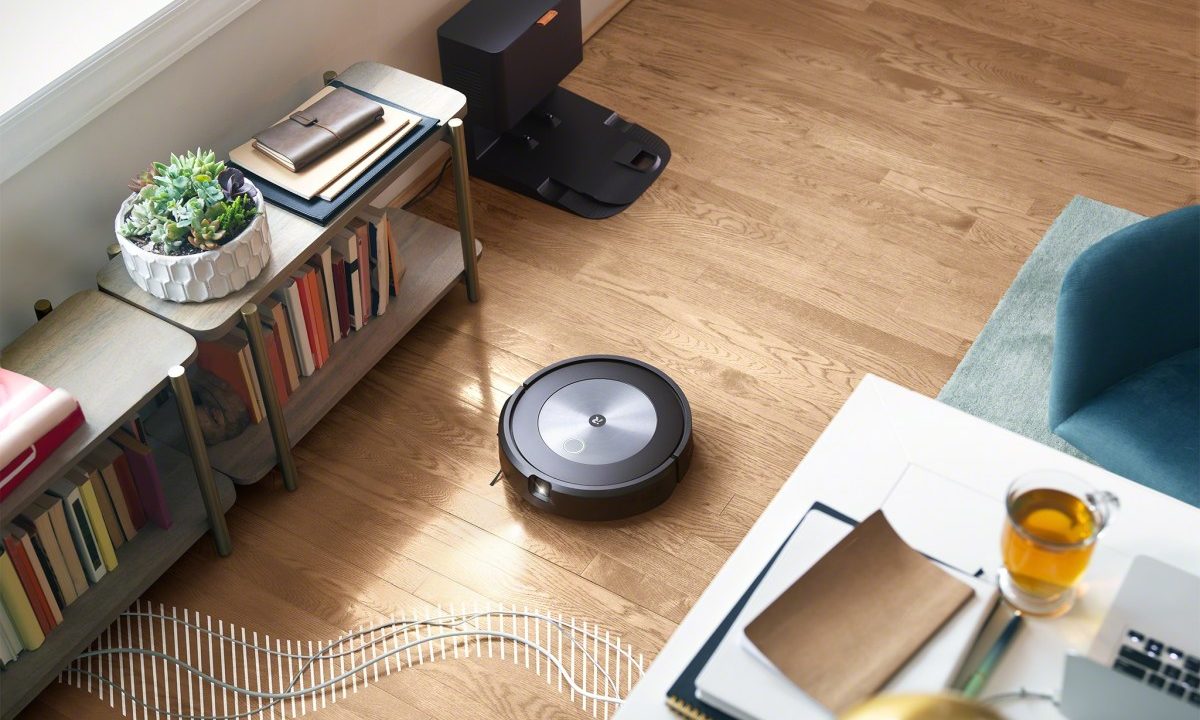
iRobot, the company that turned robot vacuums into a mainstream household product, filed for Chapter 11 bankruptcy in mid-December, capping a turbulent period that began when Amazon abandoned its planned $1.7 billion acquisition in January 2024. In a recent interview, iRobot founder Colin Angle described the regulatory process that preceded the collapse as “avoidable,” arguing that prolonged scrutiny by the Federal Trade Commission (FTC) and European regulators did lasting damage to the company’s ability to compete.
The bankruptcy marks a dramatic reversal for a brand synonymous with consumer robotics. The company’s Roomba line launched in 2002 and, according to the interview, iRobot has sold more than 50 million robots over the years. Angle framed the filing not as a sudden operational failure, but as the end result of an extended period of uncertainty tied to merger review—uncertainty that, in his telling, constrained strategy, hiring, partnerships, and day-to-day execution.
A deal meant to boost innovation, derailed by prolonged review
Angle said iRobot and Amazon came together “for the expressed purpose” of building more innovation and expanding consumer choice at a moment when iRobot’s market position was weakening. In his view, the central antitrust question—whether the acquisition would harm competition—was being answered by the market itself, where new entrants were growing quickly and iRobot’s share was declining.
He pointed to Europe as an example of what he characterized as a competitive landscape: iRobot’s market share was around 12% and falling, while a leading competitor was only a few years into its market expansion. Angle argued that these conditions resemble a “vibrant and dynamic marketplace,” making the case that regulators should have moved quickly rather than keeping the transaction in limbo.
Instead, he said the review lasted roughly 18 months, a period of “pendency” that created a difficult operating environment. For companies awaiting an acquisition decision, prolonged uncertainty can complicate everything from product roadmaps to financing, because counterparties—suppliers, retailers, and even employees—may hesitate to commit while the future ownership structure remains unclear.
Angle’s core claim: regulators misread competition in robot vacuums
At the heart of Angle’s critique is a disagreement over how to define competition in the robot vacuum and broader consumer robotics market. He argued that iRobot was not in a position of durable dominance, especially given the pace of new product releases and the entry of fast-scaling rivals. In the U.S., he acknowledged iRobot’s share was higher than in the EU, but said it too was trending downward amid multiple growing competitors and “outside innovation” entering the category.
Angle also suggested that the regulatory posture sent a broader message to founders and investors: that even deals framed as supporting innovation can become subject to lengthy, unpredictable review. In markets where hardware development requires long lead times, inventory planning, and high working capital, uncertainty can be especially punishing.
Why merger limbo can hit hardware companies harder
While software businesses can sometimes scale with relatively low marginal costs, hardware companies often face tighter constraints. A delayed merger decision can affect:
- Retail negotiations and shelf planning tied to product cycles
- Supply chain commitments and component purchasing
- R&D investment decisions, including staffing and prototyping
- Competitive positioning as rivals accelerate launches during the uncertainty window
Angle’s comments framed the iRobot-Amazon timeline as a case study in how extended antitrust review can become an operational burden, not merely a legal process running in parallel.
From acquisition collapse to Chapter 11
After Amazon ended the acquisition effort in January 2024, iRobot faced the challenge of stabilizing its business without the expected capital and strategic support that often accompanies a buyout. The subsequent Chapter 11 filing, disclosed in December, formalized the company’s financial distress and placed its future under court supervision, typically aimed at restructuring debt, renegotiating obligations, and preserving value where possible.
Angle described the bankruptcy as the end of an era for a company that had endured decades of technical hurdles and “near-death experiences.” His framing was blunt: iRobot, he said, was not undone by a lack of ideas or consumer interest in robotics, but by a regulatory process he viewed as unnecessarily prolonged and ultimately hostile to a deal intended to strengthen innovation.
What this means for Big Tech deals and antitrust in 2026
The iRobot episode lands amid a broader debate about the role of antitrust enforcement in technology markets—especially when acquisitions involve platforms with large ecosystems and extensive consumer data. Regulators have increasingly scrutinized whether acquisitions by major technology firms could reduce competition, limit consumer choice, or create gatekeeping power across adjacent markets.
Angle’s argument pushes back on that framework in this case, emphasizing market dynamism and declining share as evidence that the category was not consolidating into a monopoly. The underlying tension is familiar: regulators often examine not only current market shares but also potential future leverage—particularly when a large platform acquires a company that could serve as a strategic foothold in the home.
The consumer question: competition, privacy, and product quality
For consumers, the questions raised by the abandoned acquisition cut in multiple directions. Supporters of strict enforcement argue that blocking deals can prevent consolidation and protect choice, especially if a dominant platform might privilege its own products or services. Critics argue that stopping acquisitions can reduce investment in struggling companies and slow the pace of innovation in categories that require sustained R&D.
Angle’s position is clear: he believes the outcome harmed consumers by weakening a well-known robotics brand and reducing the resources available to build better products.
Angle says he’s moving on—without backing away from consumer robotics
Despite the bankruptcy, Angle signaled determination to continue building in the sector, indicating he intends to pursue a new venture in consumer robotics. His comments reflect a belief that the market opportunity remains strong, even if the path for independent hardware companies has become more difficult amid aggressive competition and tighter scrutiny of major acquisitions.
For the robotics industry, iRobot’s Chapter 11 filing is both a cautionary tale and a turning point: a reminder that category-defining brands can falter when capital, competition, and regulation collide, and a signal that the next wave of home robotics may be shaped as much by policy decisions as by engineering breakthroughs.