

Hydrosat Raises €51 Million to Accelerate Climate-Focused Space Analytics
Hydrosat, a Luxembourg- and US-based provider of thermal infrared satellite data and AI-powered analytics, has announced the closing of a €51 million (approximately $60 million) funding round. The fresh capital will support the expansion of the company’s satellite constellation and the scaling of its analytics platform, aimed at delivering high-frequency insights on climate risk, water stress, and agricultural productivity worldwide.
Positioned at the intersection of space technology, climate intelligence, and data analytics, Hydrosat is building a commercial infrastructure to monitor the Earth’s surface temperature and moisture conditions with unprecedented detail. The company’s thermal infrared data is designed to complement existing optical and radar missions and to fill a critical gap in current Earth observation capabilities.
Thermal Infrared Data as a New Climate Infrastructure Layer
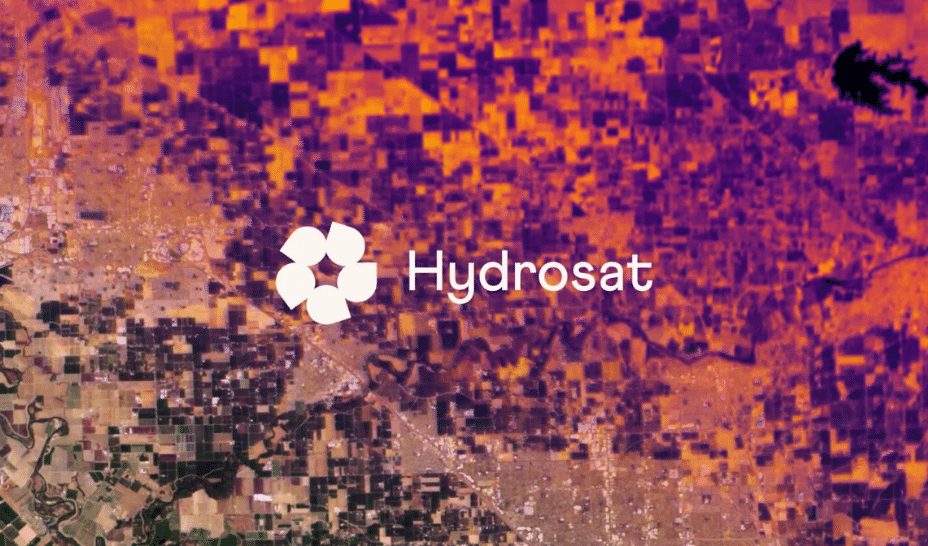
Unlike traditional satellite imagery that focuses on visible light, Hydrosat specializes in measuring land surface temperature through the thermal infrared spectrum. These measurements provide a direct signal of how heat and water move through landscapes, cities, and critical infrastructure, enabling a new generation of operational services for governments, insurers, and corporations.
From Raw Pixels to Decision-Ready Intelligence
At the core of the company’s platform is a suite of AI algorithms and geospatial analytics that transform raw thermal readings into actionable indicators. These include:
- Field-level crop stress and yield forecasting for agribusinesses and food security agencies
- Drought monitoring and water resource management for utilities and river basin authorities
- Wildfire risk and heatwave assessment for emergency planners and insurers
- Urban heat island mapping to inform city planning and climate adaptation projects
By combining satellite observations with weather models, ground measurements, and historical archives, Hydrosat aims to deliver continuous, global coverage at resolutions suitable for on-the-ground decision making. The company positions its data products as a foundational layer for climate resilience planning and operational risk management.
Funding to Scale Constellation and Commercial Rollout
The €51 million round will primarily fund the deployment of additional satellites in Hydrosat‘s planned constellation, increasing revisit frequency and geographic coverage. A denser network of thermal infrared sensors allows the company to capture rapid changes in temperature and moisture, which are critical for monitoring fast-evolving events like drought onset, irrigation cycles, or heat-driven infrastructure stress.
Capital will also be directed toward expanding the company’s cloud-based analytics platform, enhancing data delivery pipelines, and deepening integrations with existing geospatial software and enterprise data systems. This includes APIs and dashboards tailored for sectors such as agritech, insurance, energy, and public-sector climate services.
Strategic Position Between Luxembourg and the United States
With headquarters in Luxembourg and operations in the United States, Hydrosat benefits from two of the world’s most active ecosystems for commercial space. Luxembourg has positioned itself as a hub for NewSpace ventures, offering regulatory support and access to European markets, while the US provides deep capital markets, technical talent, and partnerships with major space agencies and defense customers.
This dual presence enables the company to serve institutional clients on both sides of the Atlantic, including potential collaborations with European climate programs and US federal agencies focused on environmental monitoring and national resilience.
Rising Demand for Climate and Water Intelligence
The funding reflects a broader surge of interest in climate intelligence platforms that translate complex environmental data into financial and operational signals. As extreme weather, drought, and heatwaves intensify, organizations are seeking quantitative tools to manage exposure and comply with emerging climate disclosure and ESG reporting requirements.
Thermal infrared data is particularly suited to this shift because it directly captures how landscapes and infrastructure respond to heat and lack of water. For agriculture, this means earlier detection of crop stress and more precise irrigation planning. For utilities and cities, it enables targeted investments in cooling infrastructure and grid resilience. For insurers and reinsurers, it provides a new evidence base for pricing climate-related risk.
Competitive Edge in the Earth Observation Market
The global Earth observation sector has seen rapid growth, with numerous startups and incumbents offering optical and radar imagery. Hydrosat‘s focus on thermal infrared and derived analytics gives it a differentiated position in a crowded market. Rather than selling raw imagery alone, the company emphasizes subscription-based data products and decision-ready indices.
This model aligns with a shift across the industry from data acquisition to insight generation, where value is created not by the number of satellites in orbit but by the relevance and usability of the information delivered to end users.
Outlook: From Space Data to Operational Climate Decisions
With its new €51 million funding injection, Hydrosat is poised to accelerate the build-out of what it describes as a global thermal monitoring layer for the planet. As more satellites come online and its AI-powered analytics mature, the company aims to become a core infrastructure provider for businesses and institutions that need to track how a warming climate interacts with water, food systems, and critical assets.
For policymakers, investors, and operators grappling with the realities of climate volatility, the evolution of this kind of high-frequency, thermal-based intelligence may increasingly shape how resources are allocated, where infrastructure is built, and how risk is priced in a rapidly changing world.