

Foamlab’s Bold Move Towards Sustainable Plastics
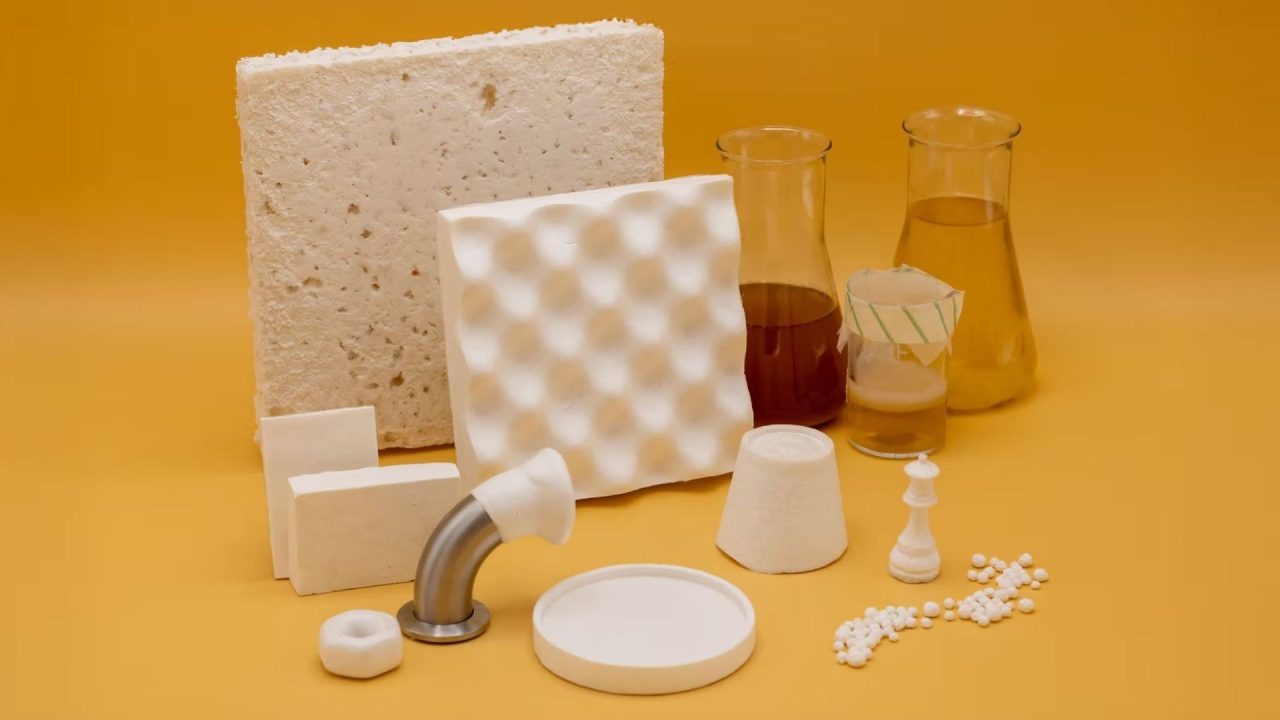
Foamlab, a promising startup based in Delft, has successfully raised €3 million in funding to develop innovative foams made from bacterial cellulose. This funding round marks a significant step in the company’s mission to replace traditional fossil-based plastics with sustainable alternatives.
The Need for Sustainable Solutions
As the global demand for plastic continues to rise, the environmental impact of plastic pollution has become a pressing concern. Traditional plastics contribute significantly to climate change, with their production and disposal processes emitting substantial amounts of greenhouse gases. With this context, Foamlab’s approach offers a compelling solution by harnessing the power of nature to produce biodegradable materials.
How Bacterial Cellulose Works
The foams developed by Foamlab utilize bacterial cellulose, a natural polymer produced by certain bacteria. This material is not only biodegradable but also possesses unique properties that make it ideal for various applications, including packaging, insulation, and even furniture. By leveraging advanced biotechnological methods, Foamlab aims to create a product that is both environmentally friendly and commercially viable.
Future Prospects and Applications
The funds raised will be allocated towards scaling up production, enhancing research, and expanding market reach. CEO of Foamlab, Jane Doe, emphasized the importance of innovation in the fight against plastic waste. “Our goal is to redefine the plastic industry by providing sustainable alternatives that do not compromise on quality or functionality,” she stated.
With the increasing pressure on industries to adopt eco-friendly practices, Foamlab’s initiative is perfectly timed. The startup not only addresses environmental concerns but also opens up new markets for sustainable products, positioning itself as a leader in the emerging green economy.