

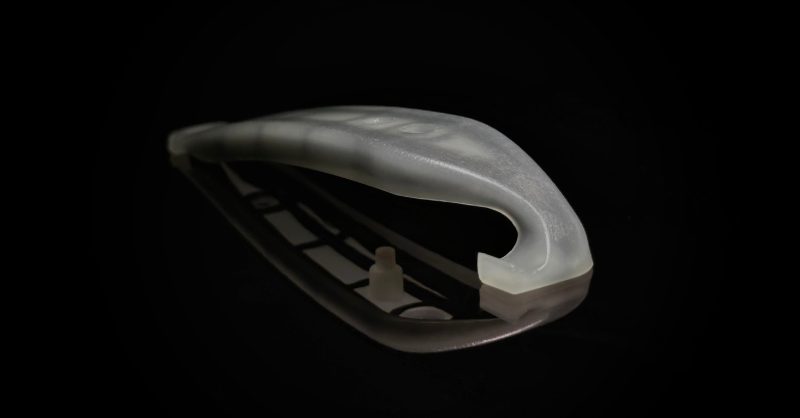
fibionic lands €3M seed round to rethink composites
Austrian DeepTech startup fibionic has raised a €3 million seed round to industrialise its proprietary bionic fibre placement technology, a process designed to cut composite material use by up to 60% across the sports, automotive and aerospace sectors. The round is led by Berlin-based investor Redstone, with participation from additional European early-stage backers.
How bionic fibre placement works
fibionic develops software- and hardware-enabled processes that align fibres only where loads actually occur, mimicking the way structures form in nature. Instead of laying carbon or glass fibres in uniform sheets, the company’s system places fibres along calculated load paths, creating lighter yet highly resilient components.
This approach reduces raw carbon fibre and resin consumption, shortens production cycles and lowers part weight. For manufacturers in performance-driven industries, these gains translate into improved energy efficiency, lower emissions and reduced material costs.
Target industries: sports, automotive and aerospace
fibionic is initially focusing on high-value applications where every gram matters. In the sports equipment market, the technology can be applied to bicycles, rackets and protective gear. In the automotive and aerospace sectors, the company is targeting structural and semi-structural parts in both conventional and electric platforms, where weight reduction is directly linked to range and fuel savings.
Scaling from lab to industrial production
The newly raised capital will be used to expand fibionic’s engineering team, refine its design and simulation software, and integrate its fibre placement systems into existing composite manufacturing lines. The startup plans pilot projects with OEMs and tier-one suppliers to validate performance at scale and to establish reference use cases.
By combining biomimicry, advanced simulation and automated fibre placement, fibionic aims to position itself as a key enabler of lighter, more sustainable composite structures in Europe’s high-performance industries.