

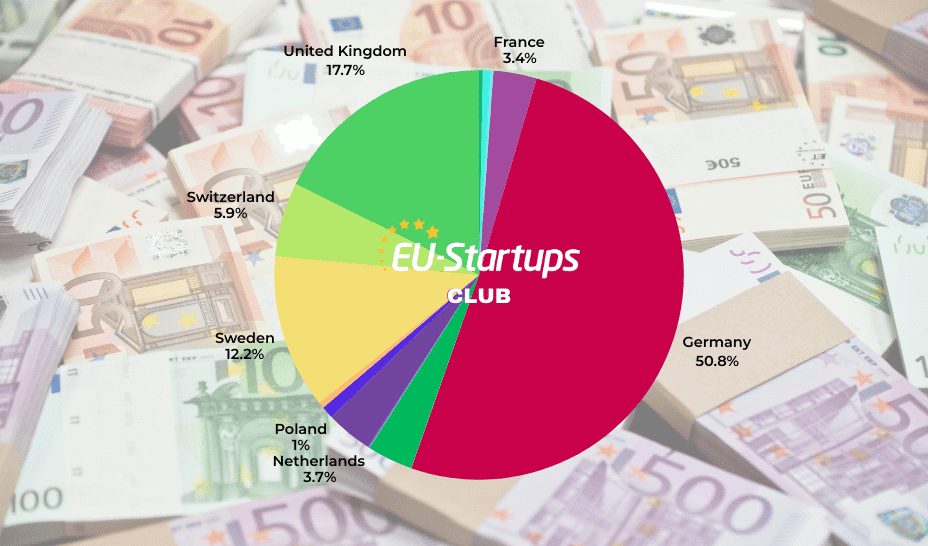
EU-Startups has published its latest “Weekly funding round-up,” compiling the European startup financings it tracked during Dec. 15–19. While the post is positioned as a straightforward deal diary, the timing—mid-December, when many funds are closing books and founders are racing to secure runway—makes these weekly snapshots a useful read on where European venture capital conviction is holding steady and where it is thinning.
For readers of Dailyza, the value in a weekly round-up is less about any single announcement and more about the aggregate signal: which themes keep showing up, what check sizes imply about risk tolerance, and how investors are positioning ahead of 2025 portfolio strategy discussions.
Why a weekly funding round-up matters in late December
Funding news in the final two weeks of the year often reflects decisions that have been in motion for months. Term sheets signed in November can appear publicly in December, and some rounds are timed to meet internal milestones—year-end reporting, budget cycles, or follow-on commitments that partners want to finalize before holidays.
That’s why a curated list like the one from EU-Startups can be read as a temperature check for European startup funding: if deal flow remains visible in a traditionally quieter window, it suggests that both founders and investors still see enough clarity to transact rather than postpone.
What the EU-Startups format signals about Europe’s funding landscape
EU-Startups is known for tracking and aggregating financings across the continent, offering a cross-market view that can be difficult to piece together from country-by-country headlines. Even without a single “mega-round” dominating attention, a weekly compilation can spotlight patterns that matter to operators and LPs:
- Geographic spread: Whether activity clusters in a handful of hubs or appears across a wider set of ecosystems can indicate how concentrated investor networks are becoming.
- Stage mix: A week dominated by early-stage announcements can point to resilience in seed and pre-seed, while a heavier late-stage presence can suggest re-opening appetite for larger risk.
- Sector recurrence: Repeated appearances of the same themes—such as climate, industrial tech, or applied AI—often reflect where investors feel there is both demand pull and defensible differentiation.
In practical terms, founders can use these signals to calibrate their own outreach: if the week’s list shows more early-stage capital moving, it may be a better environment for first-time raises than for growth rounds that depend on aggressive revenue multiples.
Key themes investors keep watching as 2025 approaches
Although the EU-Startups round-up itself is a tracking post rather than an opinion column, the broader European market context is hard to ignore. Investors have spent the past year balancing two competing realities: the long-term promise of European deep tech and the short-term pressure of higher rates, slower exits, and stricter underwriting.
Applied AI and efficiency-first narratives
Across Europe, interest in AI algorithms has increasingly shifted from “AI as a feature” to “AI as measurable productivity.” Startups that can credibly show cost reduction, automation, or revenue lift—especially in regulated or complex industries—have tended to find more receptive rooms than those selling broad platform stories.
Climate and energy pragmatism
Climate remains a major European priority, but capital has been selective. Investors have leaned toward solutions that can demonstrate unit economics, industrial partnerships, or policy-aligned tailwinds rather than relying on long-dated speculative outcomes. Weekly round-ups can reveal whether the market is rewarding hardware-heavy approaches or sticking to software-led decarbonization tools.
Defense, resilience, and critical infrastructure
Europe’s geopolitical environment has pushed more attention toward resilience—supply chains, cybersecurity, and infrastructure technologies. When these sectors appear repeatedly in deal lists, it often reflects not only investor interest but also procurement realities and government-linked demand.
What founders can learn from weekly deal tracking
For founders, the most actionable takeaway from a week-by-week compilation is benchmarking. Not every round includes full terms, but even partial disclosures can help teams pressure-test their own assumptions about timing and positioning.
- Runway planning: If the public market for rounds looks thin in certain stages, founders may choose to extend runway earlier, raise smaller bridges, or prioritize revenue-backed growth.
- Story discipline: Deals that get done late in the year tend to have crisp narratives—clear ICP, defensible differentiation, and a path to profitability or strategic value.
- Investor targeting: Seeing which funds appear repeatedly across a month can help founders identify active check-writers rather than relying on brand-name assumptions.
For investors, the same lists provide competitive intelligence: who is deploying, which geographies are heating up, and where valuations may be stabilizing.
Why this matters for Europe’s 2025 funding outlook
Europe’s funding market has been navigating a reset: fewer inflated late-stage rounds, more scrutiny on burn, and a renewed focus on fundamentals. Weekly round-ups like the one from EU-Startups don’t replace quarterly reports, but they offer something those reports can’t—real-time texture.
If December still shows consistent deal activity, it can be read as a sign that investors are not only reserving capital but actively putting it to work. If activity is narrower—concentrated in specific sectors or hubs—that can foreshadow a 2025 market where capital is available, but only for teams that fit tight theses.
As European founders and funds head into the new year, the Dec. 15–19 tracking week underscores a familiar reality: momentum is still possible, but it is increasingly earned through clarity, measurable traction, and credible execution rather than hype.