

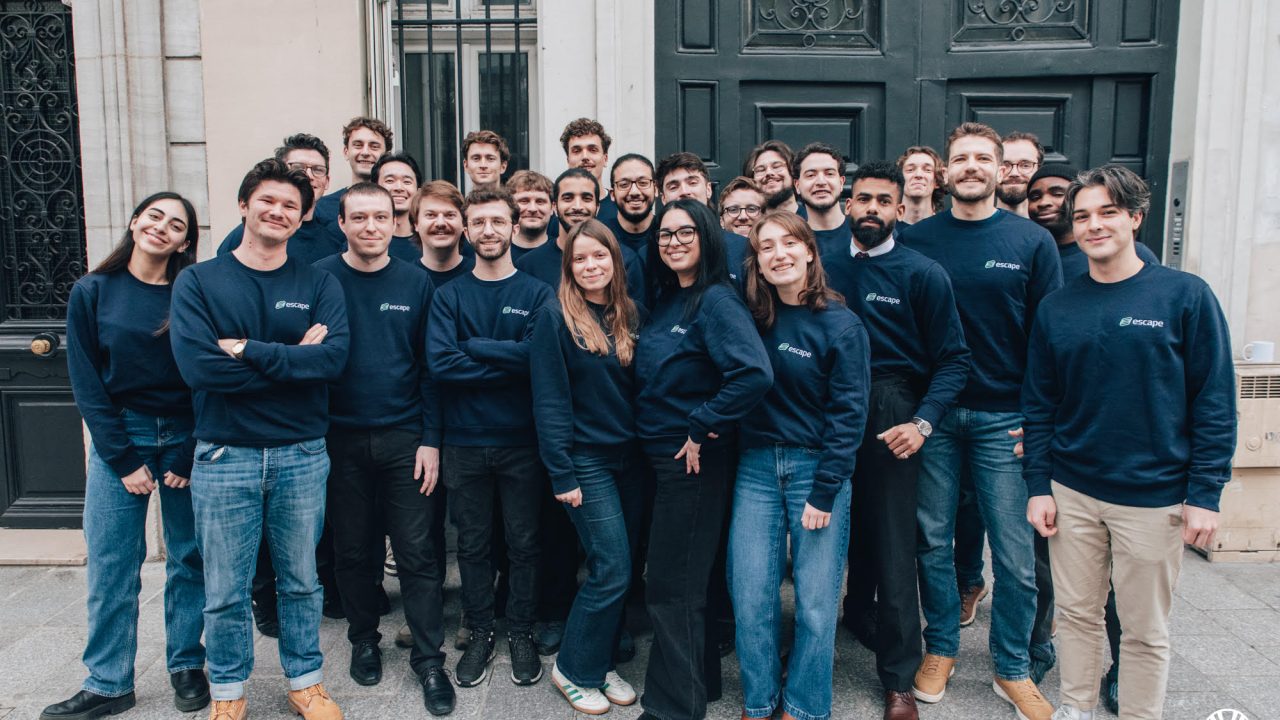
Escape raises $18 million to scale AI-first cybersecurity
Y Combinator-backed cybersecurity startup Escape has secured a fresh $18 million funding round led by European venture firm Balderton Capital, aiming to accelerate the deployment of autonomous AI agents that defend corporate systems in real time.
The investment underscores what investors describe as a “unique moment” for the security sector, where the rapid adoption of generative AI is creating both powerful new defensive tools and a surge in AI-driven attacks. Escape positions its platform as an intelligent layer that can continuously scan, detect and remediate vulnerabilities across modern, API-driven and cloud-native infrastructures.
AI vs AI on the cyber front line
Rather than relying solely on traditional rules-based tools, Escape is developing autonomous AI security agents that can reason about complex architectures, prioritize the most critical risks and automatically propose or apply fixes. This “AI vs AI” paradigm reflects a growing belief in the industry that only adaptive, learning systems can keep pace with automated attacks.
Backed by Balderton, the company plans to deepen its investments in machine learning, expand coverage for APIs, microservices and cloud security, and grow its go-to-market teams in Europe and North America. The funding will also support integrations with popular developer and DevSecOps tools, embedding security checks earlier in the software development lifecycle.
Riding cybersecurity’s ‘unique moment’
Global enterprises are under pressure as ransomware, supply-chain compromises and automated vulnerability exploitation rise in frequency and sophistication. At the same time, boards are demanding measurable reductions in risk and greater transparency around security posture.
Escape aims to capitalise on this environment by offering a platform that is both developer-friendly and enterprise-ready, automating routine security tasks while surfacing only the most relevant, high-impact issues to human teams. With the new capital, the startup is positioning itself as a contender in the fast-emerging category of autonomous AI-driven cybersecurity, where the next wave of innovation will likely be defined by how effectively defensive AI can outsmart offensive AI.