Close Menu
Dailyza | Tech, Investments, Business & World News
  • Startups
  • Venture Capital
  • World
  • Economy
  • Politics
  • Science
  • Technology
  • Travel
  • Culture
Facebook X (Twitter) Instagram
Trending
  • Skalar Secures 12 Million Euro to Revolutionize AI Accounting
  • Promptwatch Secures €6M to Navigate the AI-Driven SEO Shift
  • Dailyza: New AI Risk Frameworks Standardise Global Cyber Safety
  • Helsing Secures $1.8B Funding to Expand AI Defence Platform
  • Dailyza: Why Gaming Is the Modern Antidote to Daily Stress
  • Pollo AI Review: Is This Image Generator Right for Marketers?
  • SFC Capital Secures £1M Cash Return from Initial Angel Fund
  • Dexory: Oana Jinga on Warehouse Automation and Robot Strategy
Dailyza | Tech, Investments, Business & World NewsDailyza | Tech, Investments, Business & World News
Wednesday, July 15
  • Startups
  • Venture Capital
  • World
  • Economy
  • Politics
  • Science
  • Technology
  • Travel
  • Culture
Dailyza | Tech, Investments, Business & World News
Home»Technology
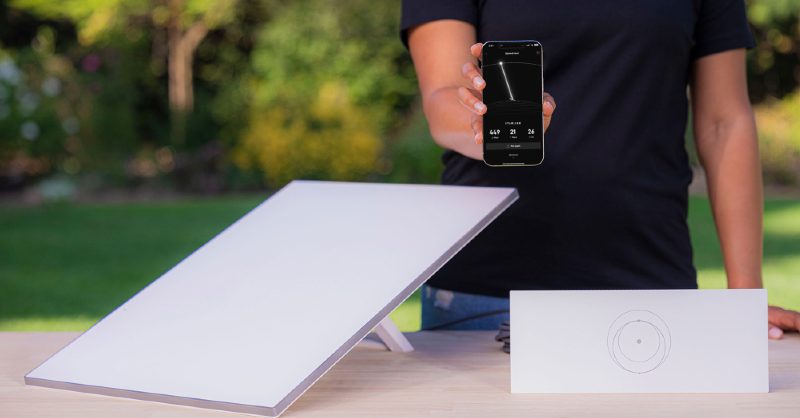
Deutsche Telekom and Starlink satellite and mobile network coverage concept over a map of Europe

Deutsche Telekom and Starlink target zero mobile dead zones by 2028

4 March 2026 Technology No Comments2 Mins Read
Share
Facebook Twitter LinkedIn Pinterest Email

Deutsche Telekom joins forces with Starlink to end dead zones

Deutsche Telekom has announced a strategic partnership with Starlink aimed at eliminating mobile coverage dead zones across Europe by 2028. The alliance will combine terrestrial mobile networks with low-Earth-orbit satellites to deliver seamless connectivity in remote and hard-to-reach areas.

The initiative reflects a broader industry shift toward integrating traditional mobile infrastructure with satellite communications, ensuring that customers remain connected even where building cell towers is technically or economically unfeasible.

Hybrid satellite-mobile network for Europe

Under the partnership, Deutsche Telekom will leverage its extensive terrestrial 4G and 5G footprint, while Starlink provides coverage via its growing constellation of low-Earth-orbit satellites. The goal is to support direct-to-device connectivity, allowing compatible smartphones to connect to satellites when they lose contact with ground-based antennas.

This hybrid model is designed to address long-standing gaps in coverage along rural roads, mountainous regions, coastal zones and sparsely populated areas. By integrating satellite links into the mobile core network, operators can maintain continuity of voice, text and basic data services where conventional infrastructure cannot be deployed.

Implications for consumers and the telecom industry

The planned rollout through 2028 is expected to enhance network resilience and improve emergency communications. In disaster scenarios, when terrestrial infrastructure may be damaged, satellite-enabled services can act as a critical backup layer.

For the wider industry, the collaboration underscores the growing importance of non-terrestrial networks (NTN) in the evolution of 5G and future 6G standards. Telecom operators are increasingly exploring partnerships with satellite providers to meet regulatory coverage obligations and support new use cases such as connected vehicles, maritime connectivity and remote industry operations.

As regulatory approvals and technical standards mature, the Deutsche Telekom–Starlink partnership is positioned as a flagship example of how mobile and satellite ecosystems can converge to deliver more universal, reliable connectivity across Europe.

Previous ArticlePhotoncycle raises €15M to turn summer solar into winter heat
Next Article RAYDIAX Secures €7.5M to Trial CT Scanner in Cancer Care
Kyle Kelley
  • Website

Keep Reading

Promptwatch Secures €6M to Navigate the AI-Driven SEO Shift

Dailyza: New AI Risk Frameworks Standardise Global Cyber Safety

Helsing Secures $1.8B Funding to Expand AI Defence Platform

Dailyza: Why Gaming Is the Modern Antidote to Daily Stress

Pollo AI Review: Is This Image Generator Right for Marketers?

Dexory: Oana Jinga on Warehouse Automation and Robot Strategy

Add A Comment

Leave A Reply Cancel Reply

Skalar Secures 12 Million Euro to Revolutionize AI Accounting

Venture Capital 15 July 2026

Skalar has successfully raised 12 million euros in a funding round led by Headline to integrate advanced artificial intelligence into tax and accounting services.

SFC Capital Secures £1M Cash Return from Initial Angel Fund

US Investors Dominate Europe’s AI Funding Landscape in Q2 2026

Mercor Targets $20B Valuation Despite High-Profile Data Breach

Lovable Targets $12B Valuation Amid Rapid Low-Code Expansion

Paradigm Secures $1.2B Capital to Drive AI and Robotics Growth

Kord Secures £6.4M to Revolutionise Property Transactions

Dailyza Analysis: 15 New AI Unicorns Emerge in June 2026

Tangos Secures $20 Million Investment for AI Crime Detection

Myricx Bio Secures $1.5B Novartis Deal After $121M Funding

Expeditions Secures €197M to Boost Defence and Deep Tech

Talp Secures $20 Million Pre-Seed Funding to Scale Operations

Technovation CEO Tara Chklovski on 2025 Startup Funding Shifts

Rivage Secures €1.5 Million to Scale AI Rental Management

Crusoe Eyes $3B Funding Round at $30B Valuation

Dailyza | Tech, Investments, Business & World News
  • Startups
  • Contact
  • About Us
© 2026 Dailyza

Type above and press Enter to search. Press Esc to cancel.