

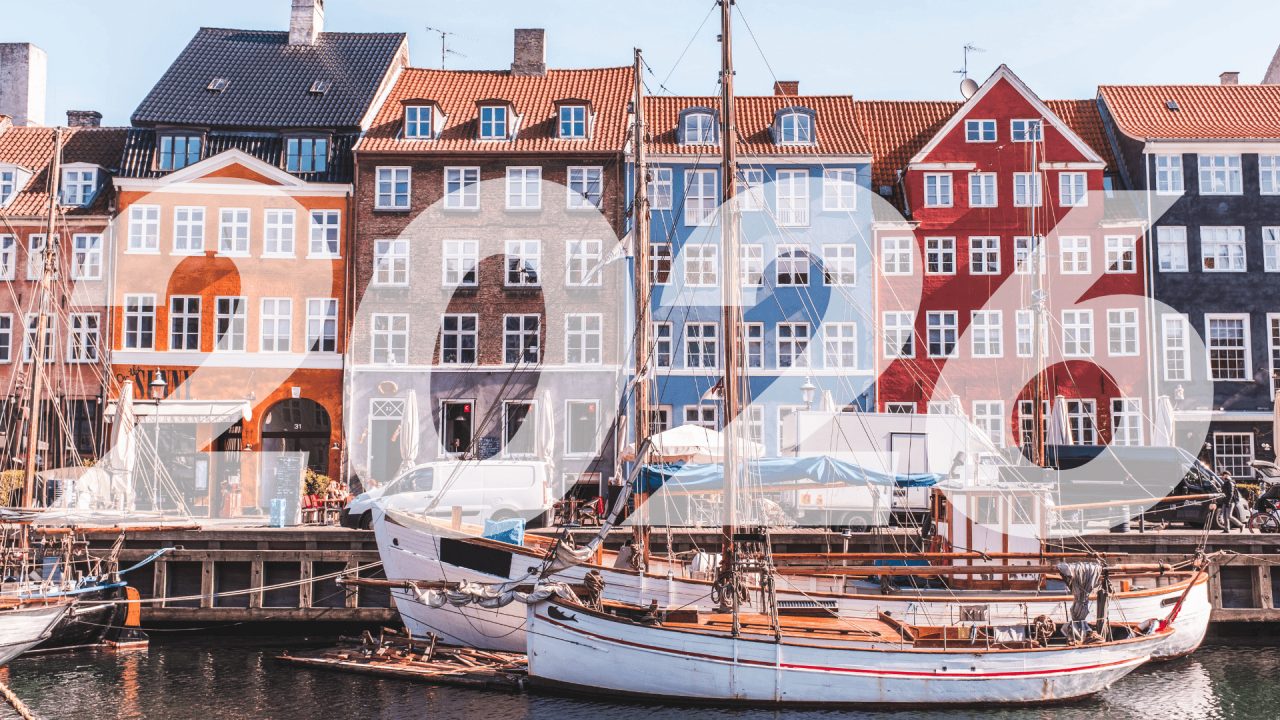
Denmark’s High Quality of Life Sets a Global Benchmark
Long regarded as one of the world’s most liveable countries, Denmark continues to stand out for its combination of social stability, progressive urban design and a strong focus on everyday wellbeing. The Nordic nation’s reputation is built on a blend of robust public services, sustainability-driven planning and a culture that prioritises trust and community.
Strong Public Infrastructure Underpins Daily Life
At the core of Denmark’s model is a comprehensive system of public infrastructure. Well-funded public healthcare, accessible education and efficient public transport networks ensure that essential services are available to citizens regardless of income level. Cities such as Copenhagen and Aarhus are designed so that residents can move easily by bike, metro or bus, reducing reliance on cars and cutting congestion.
This infrastructure-first approach is closely tied to the country’s extensive welfare state, which aims to reduce inequality and support social mobility. High levels of digitalisation in public services further streamline interactions between citizens and the state, reinforcing trust in institutions.
Sustainability-Driven Urban Planning
Danish cities are internationally recognised for their commitment to sustainable urban planning. Investments in renewable energy, green public spaces and climate-resilient architecture have reshaped the urban landscape. Copenhagen, for example, has set ambitious goals to become a carbon-neutral capital, integrating cycling infrastructure, harbour baths and energy-efficient buildings into long-term planning.
This sustainability agenda is not limited to flagship projects. Everyday neighbourhoods increasingly feature pedestrian-friendly streets, local parks and mixed-use developments that bring housing, workplaces and amenities closer together, reducing commuting times and improving quality of life.
A Culture of Trust, Community and Balance
Beyond physical infrastructure, Denmark’s quality of life is shaped by a distinct social culture. High levels of social trust, a strong tradition of civic participation and an emphasis on work-life balance underpin daily routines. Concepts such as “hygge”, loosely translated as a sense of cosy togetherness, reflect a broader cultural preference for modest comfort over excess.
By aligning public policy, urban design and cultural values, Denmark offers a living example of how cities and nations can be organised around human wellbeing, environmental responsibility and long-term resilience.