

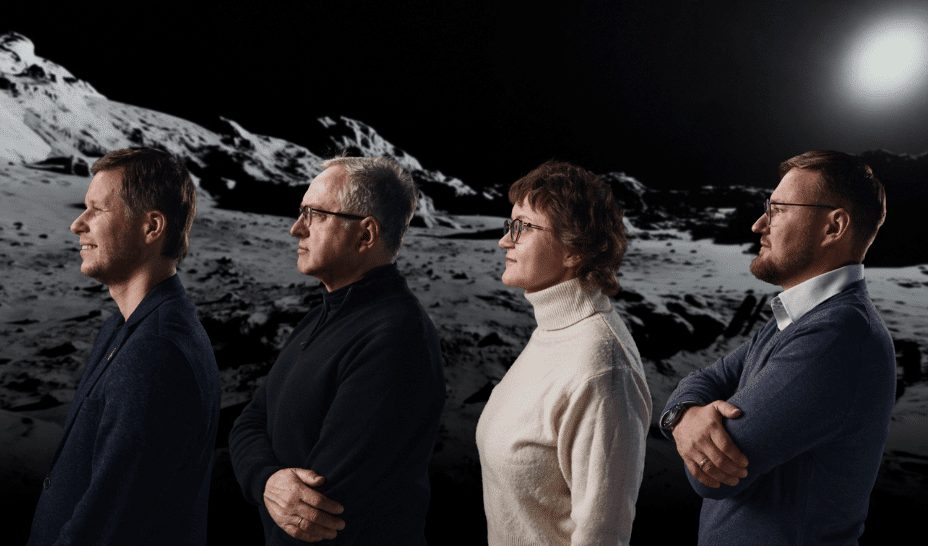
As Europe intensifies efforts to achieve greater autonomy in defense and space, Luxembourg-based startup Deep Space Energy has raised €930,000 to accelerate the development of its next-generation lunar energy technologies. The early-stage funding round will support research, prototyping and validation of systems designed to generate and distribute power on the Moon.
Strategic push for European space and defense autonomy
The investment aligns with the European Union’s broader ambition to reduce dependence on foreign space infrastructure and to build a resilient industrial base in defense and space technology. As future lunar missions move from exploration to long-term presence, reliable off-world energy is emerging as a critical capability for both civil and security applications.
Deep Space Energy is developing compact, high-efficiency power systems tailored to the extreme conditions of the lunar surface, including long periods of darkness, temperature swings and radiation exposure. These solutions are expected to support lunar habitats, robotic operations and scientific payloads, as well as potential in-situ resource utilization activities.
From concept to deployable lunar infrastructure
Focus on scalable and modular power
The startup’s roadmap centers on scalable, modular units that can be transported aboard multiple launch vehicles and assembled on the Moon to create robust energy infrastructure. By combining advanced power storage, solar conversion and smart energy management systems, Deep Space Energy aims to deliver continuous, fault-tolerant power for future lunar bases.
Positioning Europe in the new space race
The €930k round, backed by European investors focused on deep-tech and space innovation, signals growing confidence in the strategic value of lunar-focused startups. It also reflects a shift from purely Earth-orbit projects toward permanent infrastructure in cislunar space.
By advancing practical lunar power solutions, Deep Space Energy positions itself as a potential key supplier for upcoming European and international missions. The company’s progress will be closely watched as governments and agencies seek partners capable of delivering dependable lunar energy systems that underpin long-term human and robotic presence beyond Earth.