

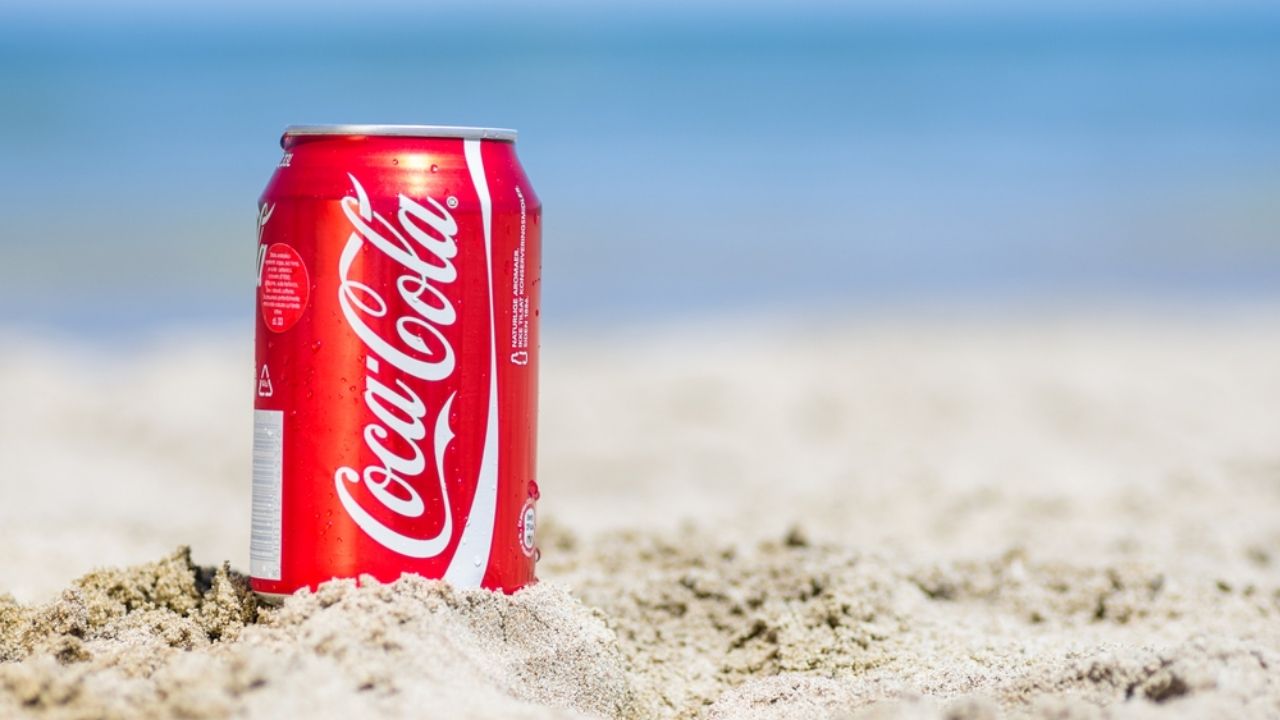
The Coca-Cola Company quietly completes the transition of its entire small-bottle portfolio to 100% recycled plastic, a milestone that significantly lowers its carbon footprint but leaves environmental advocates demanding a shift away from single-use culture.
In a move that has fundamentally altered the packaging landscape of the beverage industry without the fanfare of a Super Bowl commercial, The Coca-Cola Company has finalized a massive logistical shift in late 2025. The beverage giant has successfully transitioned its entire portfolio of 20-ounce bottles across North America—including flagship brands like Coca-Cola, Diet Coke, Coke Zero Sugar, and Fanta—to 100% recycled polyethylene terephthalate (rPET). This change marks the end of virgin plastic usage for the company’s highest-volume single-serve packages, a decision that executives claim will reduce the use of new plastic by over 20% compared to 2018 baselines.
The Invisible Transformation
Consumers picking up a soda at a convenience store this week may notice a slight difference in the bottle’s clarity or texture, but the branding remains identical. This “quiet” rollout was intentional. By prioritizing supply chain integration over marketing blitzes, Coca-Cola has managed to secure a steady stream of food-grade recycled plastic, a resource that is currently in high demand and short supply globally.
The switch to 100% rPET (excluding caps and labels) is significant because it closes the recycling loop. Instead of extracting petroleum to create new plastic resin, the company is now reliant on the circular economy—melting down old bottles to make new ones. According to company data, this shift reduces greenhouse gas emissions associated with plastic production by approximately 39%.
Why It Matters for the Industry
For decades, big soda companies have been the primary target of environmental criticism due to plastic pollution. By eliminating virgin plastic from its most popular package size, Coca-Cola is attempting to decouple its growth from the fossil fuel industry. This move forces competitors like PepsiCo and Keurig Dr Pepper to accelerate their own sustainability timelines to avoid appearing laggard in an increasingly eco-conscious market.
The transition also includes the company’s water brands, such as Dasani and Smartwater, which had previously adopted rPET in select regions. Now, the standard is uniform across the board, simplifying recycling streams for municipal waste management systems.
Critics Argue It’s Not Enough
Despite the engineering achievement, the reaction from the environmental community has been mixed. While acknowledging the reduction in carbon emissions, organizations like Greenpeace and Break Free From Plastic argue that swapping one type of plastic for another does not solve the root problem: single-use culture.
The criticism centers on the fact that rPET bottles are still essentially disposable items that often end up in oceans or landfills if not properly captured. Activists are calling for Coca-Cola to go much further by aggressively expanding its “refillable and returnable” glass and polycarbonate bottle infrastructure. Currently, reuse models make up a small fraction of the company’s global sales.
“Better plastic is still plastic,” noted a circular economy analyst. “The ultimate goal shouldn’t be to recycle a bottle infinitely, which is chemically difficult, but to eliminate the need for a new bottle every time a consumer wants a drink.”
The Road Ahead
Coca-Cola has stated that this transition is a stepping stone toward its “World Without Waste” goal, which aims to collect and recycle a bottle or can for every one it sells by 2030. However, as 2026 approaches, the pressure is mounting not just to recycle, but to reinvent the delivery mechanism of hydration entirely. For now, the bottle in your hand is greener than it was yesterday, but the question remains whether it is green enough for tomorrow.
2 Comments
It’s great to see Coca-Cola taking a big step by switching to 100% recycled plastic for their bottles. While it’s definitely a positive move, I hope this encourages more companies to rethink single-use packaging altogether rather than just swapping materials. Small changes like this are important, but we still need bigger shifts in how we consume and waste.
It’s great to see Coca-Cola making a real effort to cut down on virgin plastic, especially across such a large part of their product line. Hopefully this move pushes other companies to follow suit and rethink how we handle single-use packaging altogether. Still, I agree with advocates that we need bigger changes beyond just recycled materials.