

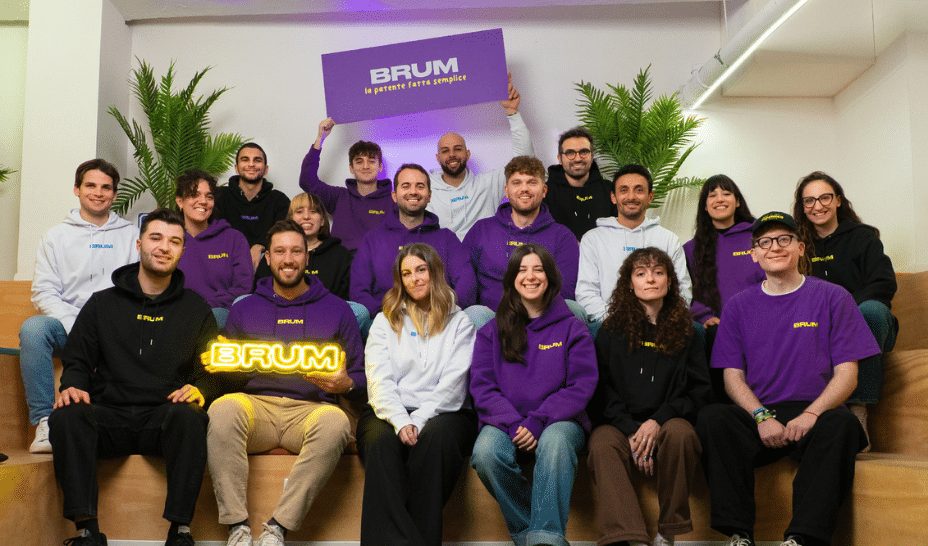
BRUM targets a decades-old driver’s license model
Italian EdTech startup BRUM is taking aim at one of the least digitised corners of education: the driver’s license training process. While most learning experiences have shifted online over the past two decades, the way people prepare for and obtain a driver’s license in much of Europe still closely resembles the systems of the 1980s. BRUM now wants to overhaul that model with a fully digital, learner-centric platform designed for both candidates and driving schools.
A digital-first approach to driver education
The core idea behind BRUM is to move driver’s license preparation from paper books and classroom lectures to a guided, interactive digital journey. The startup offers a platform where learners can access theory lessons, simulated tests, progress analytics and personalised feedback from any device, at any time.
Instead of relying on static textbooks and one-size-fits-all lessons, the platform uses structured content and data insights to adapt to each learner’s pace. By tracking performance on practice questions, test simulations and modules, BRUM can identify weak areas and prompt targeted revision. This approach mirrors the best practices seen in modern EdTech and language-learning apps, but applied to the still-traditional world of driver education.
Why driver’s license training is ripe for disruption
Across Europe, the basic framework of obtaining a driver’s license has remained largely unchanged for decades. Candidates typically enrol in a physical driving school, attend in-person theory classes, study from printed materials and sit for state-administered exams. While some countries offer online practice tests, the ecosystem as a whole is fragmented and often inefficient.
For younger generations who are native to smartphones and digital platforms, this analogue experience feels outdated. Long commutes to theory classes, rigid timetables and limited visibility into personal progress can discourage candidates and lengthen the time needed to pass exams. At the same time, many driving schools struggle with administration, content updates and student engagement.
By positioning itself at the intersection of digital learning and driver education, BRUM aims to modernise this journey end-to-end. Its platform is designed to bridge the gap between traditional driving schools and the expectations of today’s learners, offering a hybrid model that combines online preparation with on-road practice.
Benefits for learners and driving schools
For learners: flexibility, transparency and confidence
For candidates, BRUM promises a more flexible and transparent path to obtaining a license. Learners can study theory content on their own schedule, repeat modules as needed and track their readiness through detailed dashboards. Regular mock exams and adaptive question banks help reduce anxiety and improve pass rates.
The use of learning analytics means that students can see exactly where they struggle – whether it is traffic regulations, road signs or hazard perception – and focus their time accordingly. This data-driven approach is designed to build confidence before the official test and reduce costly retakes.
For driving schools: digitised operations and new revenue streams
Driving schools stand to benefit from BRUM’s software layer as well. Rather than building their own apps or relying on outdated materials, schools can integrate the platform into their offering, giving students a modern, branded digital experience while simplifying back-office tasks.
Features such as online enrolment, automated reminders, content management and performance tracking can help schools operate more efficiently. At the same time, a better digital experience can attract younger learners and create opportunities for new revenue models, including premium content or bundled online–offline packages.
EdTech momentum in regulated learning markets
The move by BRUM reflects a broader trend within EdTech: the shift from general education tools to specialised platforms targeting tightly regulated learning markets. Driver’s license training, compliance courses, professional certifications and vocational programmes are all areas where regulation is high, content must be kept up to date and pass rates are critical.
In these markets, digital platforms can provide consistent, standardised content while also enabling personalisation at scale. By working alongside regulators and accredited schools, companies like BRUM can help ensure that learners meet official requirements while enjoying a far more engaging experience than traditional classroom-based approaches.
Safety, regulation and the road ahead
Digitising driver education is not just a convenience play; it also has implications for road safety. Better-prepared candidates, who have spent more time engaging with realistic scenarios, mock tests and structured feedback, are more likely to internalise safe driving principles. Combining high-quality digital theory training with supervised practical lessons can raise the overall standard of new drivers entering the road system.
As BRUM scales, its success will depend on close collaboration with national regulators, driving school associations and instructors. Ensuring that content aligns with current law, reflects local traffic norms and integrates smoothly with exam systems will be essential. The startup’s ambition is to become a reference point for digital driver education in Italy and, over time, across other European markets where similar pain points exist.
By challenging a model that has barely changed since the 1980s, BRUM is positioning itself as part of a new wave of specialised EdTech platforms that treat regulated learning not as an obstacle, but as an opportunity for innovation. If it succeeds, obtaining a driver’s license in the coming years may look far less like sitting in a classroom and far more like the kind of intuitive, app-based learning experience that modern students already expect.