

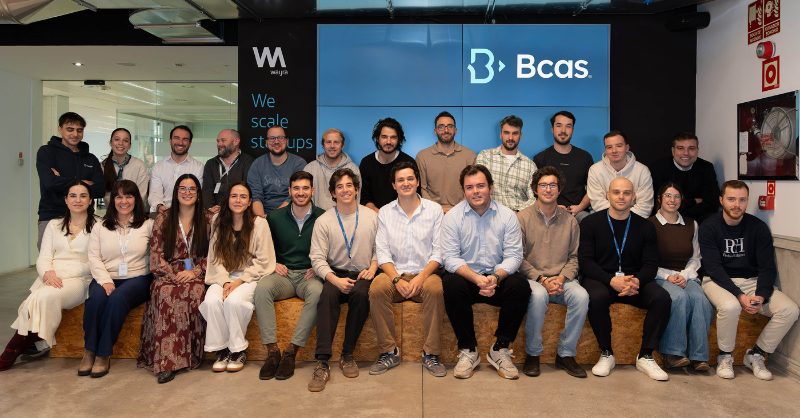
BCAS secures €30M to expand student ISA financing in Europe
Spanish edtech startup BCAS has raised €30 million in debt financing to accelerate the rollout of its student-focused Income Share Agreements (ISAs), a model designed to make higher education more accessible and less risky for young people.
Founded to tackle the growing gap between tuition costs and students’ ability to pay, BCAS partners with universities, bootcamps and professional training providers to fund tuition upfront. In return, students commit to paying back a fixed percentage of their future income over a defined period, but only if they reach a minimum earnings threshold.
How BCAS aims to reshape student financing
The fresh debt facility will allow BCAS to finance a larger portfolio of students without relying solely on equity capital, enabling faster geographic expansion and new institutional partnerships across Spain and potentially other European markets.
Reducing risk for students
Unlike traditional student loans, ISAs are structured so that repayments adjust to a graduate’s real earnings. If income falls below a predetermined level, payments are paused or reduced, shifting part of the financial risk from the student to the funding provider.
This approach is increasingly attractive in a labour market marked by precarious contracts, volatile wages and rapid shifts in demand for digital and technical skills. By linking payments to actual income, BCAS positions itself as a more flexible alternative to conventional credit-based education finance.
Growing interest in alternative education finance
The new capital underscores rising investor interest in edtech and innovative fintech-driven education models. As universities and training providers search for ways to widen participation without overburdening students with debt, platforms like BCAS are emerging as key intermediaries between learners, institutions and capital markets.
With the €30 million debt line, BCAS is expected to increase the number of funded students, broaden its course portfolio and refine its risk assessment algorithms to evaluate candidates based on potential rather than traditional credit history. The company’s strategy aligns with a broader European push to expand access to upskilling and reskilling programmes in a fast-changing digital economy.