

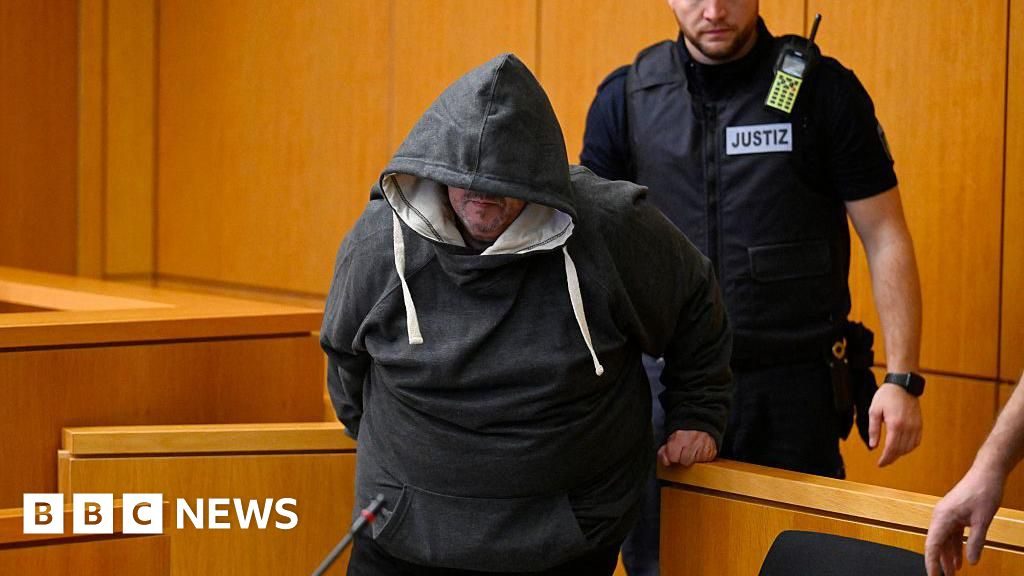
BBC reporting has highlighted a case in which a 61-year-old has been sentenced to eight-and-a-half years in prison after posting videos online, underscoring how courts in some jurisdictions are treating certain forms of digital publishing as serious criminal conduct.
While the available details are limited, the sentencing itself is notable for its length and for the central role of online distribution. The case draws attention to the growing legal exposure that can accompany uploading, sharing, or republishing video content—particularly when authorities argue that the material crosses criminal thresholds.
What is known about the sentence
According to the information accompanying the BBC image, the individual—described only as a 61-year-old—received an eight-and-a-half-year prison term after posting videos online. The brief description does not identify the person, the country, the court, or the specific charges.
Even so, a custodial sentence of this scale typically signals that prosecutors and the court treated the conduct as more than a minor online offence. In many legal systems, multi-year terms are associated with allegations involving public harm, threats to safety, incitement, exploitation, or offences related to prohibited content. Without further verified information, however, the exact legal basis and the nature of the videos cannot be responsibly inferred.
Why online video cases can lead to long prison terms
Across numerous jurisdictions, courts increasingly examine online video publication through the lens of digital evidence, content moderation standards, and the potential for rapid dissemination. Unlike a private communication, a public post can be viewed as broad distribution, which may elevate the seriousness of an offence in charging decisions and sentencing.
Distribution at scale and alleged harm
Video platforms and social networks can amplify content quickly. Prosecutors in some cases argue that the ease of sharing increases the likelihood of harm, whether that harm is alleged to be psychological, reputational, political, or physical. Courts may also consider whether the posting was repeated, whether it drew engagement, and whether the uploader encouraged others to share.
Intent, persistence, and repeat posting
Sentencing often turns on the perceived intent behind the publication. If a court concludes that a defendant acted knowingly, persisted after warnings, or reposted content after takedowns, penalties can rise. Similarly, if investigators claim the uploader attempted to evade detection—by using alternate accounts, encrypted channels, or anonymization tools—that can be framed as aggravating conduct in some systems.
Evidence trails that strengthen prosecutions
Online cases can produce extensive records: upload logs, device metadata, IP histories, message archives, and platform reports. These materials can bolster prosecutions by establishing timelines and linking accounts to individuals. At the same time, they raise questions about privacy, proportionality, and due process—issues that legal advocates and civil liberties groups frequently debate when digital speech is criminalized.
The broader legal and policy context
The case arrives amid an international push to regulate harmful online content and to hold individuals accountable for what they publish. Governments have expanded laws targeting online abuse, extremist propaganda, non-consensual intimate imagery, child sexual abuse material, and harassment. Separately, some countries have enacted or strengthened statutes that penalize certain political speech or content deemed destabilizing.
This intersection—between online expression and criminal law—has become a major point of tension. Supporters of stricter enforcement argue that digital platforms can be used to intimidate, recruit, or exploit at scale. Critics warn that overly broad rules can chill legitimate expression and create uncertainty about what is permissible, especially when definitions of illegal content are vague.
What this means for everyday users and publishers
Even without full case details, the BBC description reinforces a practical reality: posting videos online can carry significant legal consequences depending on local laws and the nature of the content. Users, creators, and small publishers often underestimate how quickly an upload can become evidence in a criminal investigation.
Key risk areas commonly cited by legal experts
- Prohibited content: material that is illegal to possess or distribute in a given jurisdiction.
- Incitement and threats: content authorities interpret as encouraging violence or targeting individuals or groups.
- Harassment and doxxing: publishing personal information or coordinating abuse.
- Non-consensual recordings: filming or sharing video without lawful consent where required.
- Copyright and privacy violations: civil claims are more common, but criminal exposure can exist in some cases.
Legal specialists often advise creators to understand local statutes, platform rules, and cross-border exposure, since content posted in one country can be accessed in another. In addition, the same upload may trigger different legal interpretations depending on whether it is framed as journalism, activism, personal speech, or commercial promotion.
Why the details matter—and what to watch for next
Because the available information does not specify the charges, the jurisdiction, or the content of the videos, the public significance of the case will depend on what further reporting reveals. Observers will likely look for clarity on several points: what laws were applied, how prosecutors described the alleged harm, whether the defendant had legal representation, and whether an appeal is expected.
As more verified information emerges, the case may also prompt renewed scrutiny of how courts weigh online distribution, intent, and proportionality in sentencing—especially when the punishment reaches multiple years for conduct rooted in digital publishing.