

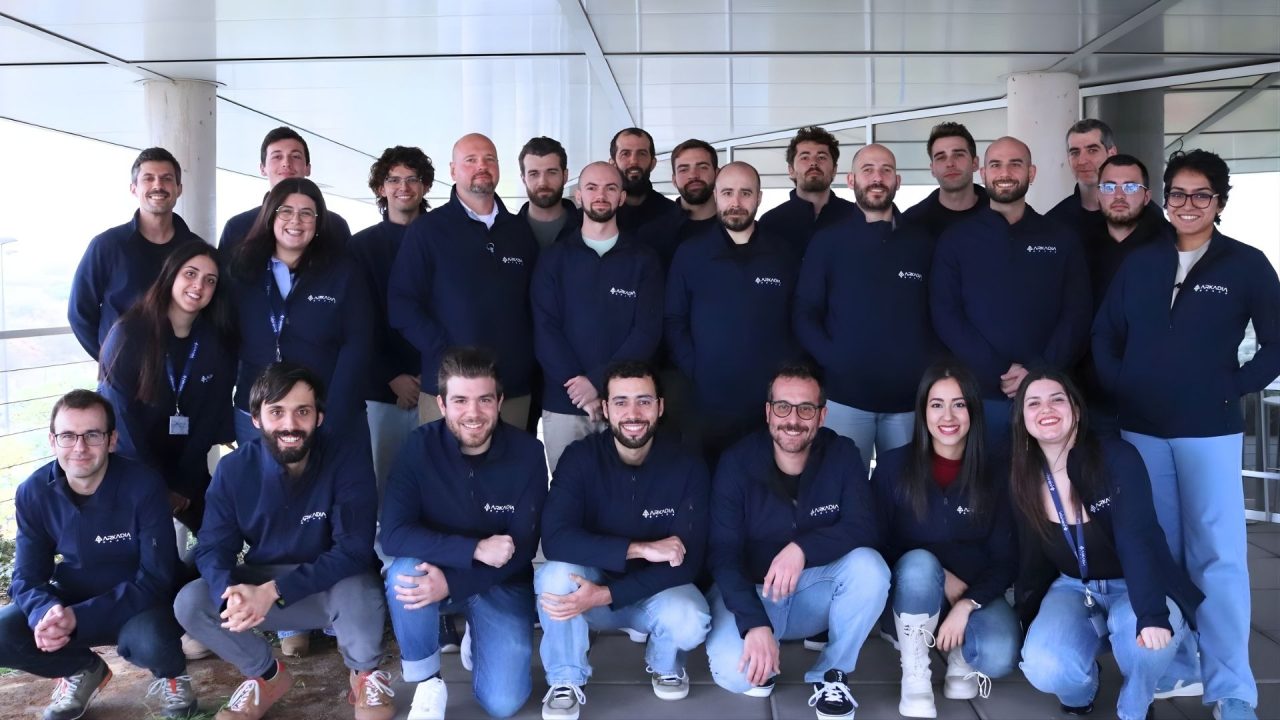
Arkadia Space wins €14.5 million EIC backing for green propulsion
Spanish startup Arkadia Space has secured a €14.5 million funding package from the European Innovation Council (EIC) to accelerate the development and industrialization of its non‑toxic green propulsion systems, designed to replace highly toxic legacy space fuels such as hydrazine.
The new capital, granted under the EIC Accelerator scheme, will support the company’s roadmap from advanced prototyping to full commercial deployment. By focusing on safer, more sustainable satellite propulsion, Arkadia Space aims to position itself as a key European supplier for next‑generation small satellites and orbital transport vehicles.
Replacing toxic hydrazine with safer alternatives
Traditional space missions have long relied on hydrazine-based propellants, which are efficient but extremely toxic, carcinogenic and costly to handle. Strict safety protocols, specialized ground infrastructure and regulatory constraints significantly increase mission complexity and launch campaign expenses.
Arkadia Space is developing propulsion systems that use green propellants with a much lower environmental and health impact, while maintaining the performance required for orbit raising, station‑keeping and de‑orbit maneuvers. These systems are targeted at the rapidly growing market for small satellites, constellations and in‑orbit services, where flexibility and cost efficiency are critical.
Boost for Europe’s strategic space autonomy
The EIC’s backing underscores the EU’s ambition to strengthen its independent capabilities in the space industry and reduce reliance on non‑European propulsion suppliers. By scaling up production of green thrusters in Europe, Arkadia Space contributes to strategic autonomy in key technologies, while aligning with broader climate and sustainability goals.
The funding will be used to expand the company’s test infrastructure, certify its propulsion modules for commercial use, and build partnerships with satellite manufacturers, launch providers and space agencies. If successful, Arkadia Space could help set a new standard for cleaner, safer propulsion across the global space ecosystem, accelerating the shift away from toxic fuels on future missions.