

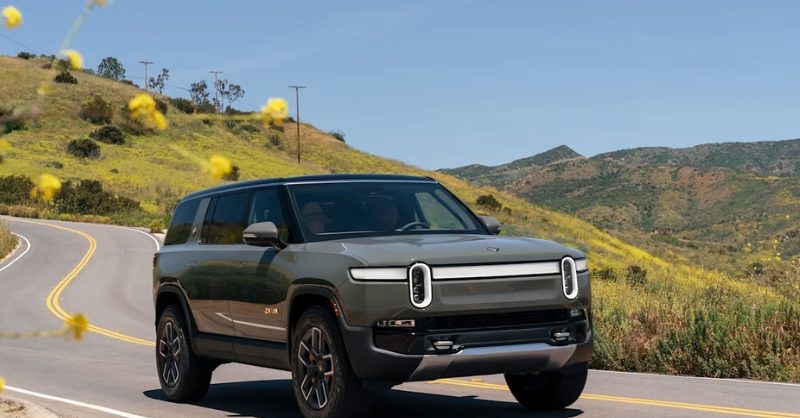
Uber moves to secure Rivian EVs for future robotaxi fleet
Uber is deepening its bet on autonomous mobility, announcing plans to invest up to $1.25 billion in electric vehicle manufacturer Rivian. The strategic move is aimed at securing a dedicated pipeline of electric models that could underpin robotaxi services on Uber’s global platform.
The deal positions Rivian, known for its premium electric pickups and SUVs, as a key technology and manufacturing partner as Uber races competitors to deploy large-scale, fully electric and eventually autonomous ride-hailing fleets. While detailed production timelines were not disclosed, both companies are signaling a long-term collaboration that goes beyond a simple vehicle supply agreement.
Strategic push into autonomous and electric mobility
The planned investment underscores how central EV adoption and autonomous driving have become to Uber’s strategy. By aligning with Rivian, Uber aims to reduce its dependence on third-party automakers and gain more influence over vehicle design, software integration and in-car services tailored to ride-hailing.
Industry analysts note that pairing an established mobility platform like Uber with a vertically integrated EV manufacturer such as Rivian could accelerate the rollout of robotaxis. Purpose-built vehicles can be optimized for high utilization, lower maintenance costs, and seamless integration with AI algorithms that manage dispatching, routing and, in time, automated driving systems.
Implications for the EV and ride-hailing markets
The potential $1.25 billion injection is also a vote of confidence in Rivian at a time when the broader EV market is facing pressure from slowing demand growth and intense price competition. A large, predictable order pipeline from Uber could help Rivian improve manufacturing scale and cost efficiency.
For cities and regulators, the partnership highlights the rapid convergence of electric vehicles, autonomous technology and app-based mobility. As Uber and Rivian advance their collaboration, the outcome could shape not only the economics of ride-hailing, but also urban transport policy, emissions targets and safety standards around emerging robotaxi networks.