

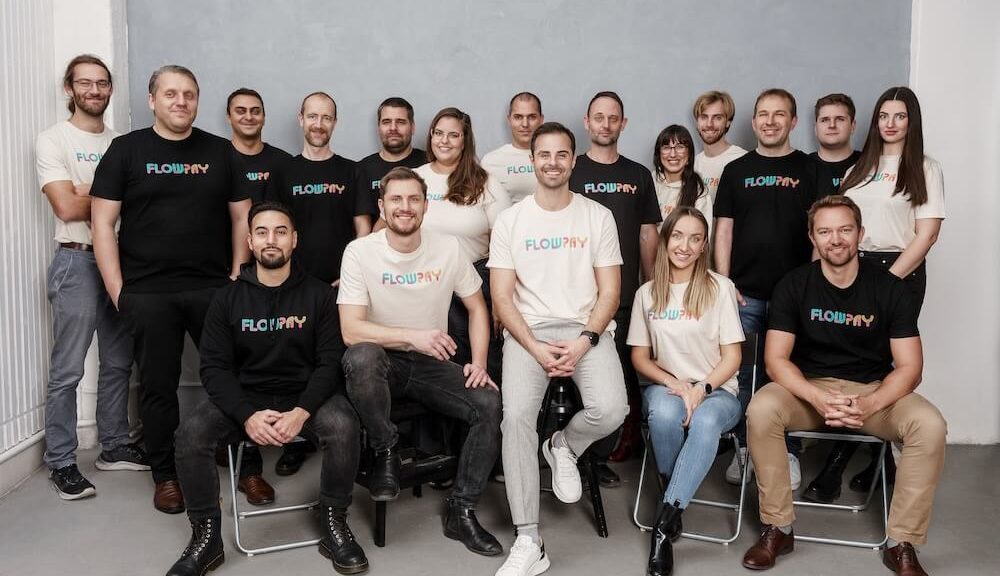
Flowpay and Teya target SME funding gap across Europe
Flowpay, a European fintech focused on data-driven lending, has entered into a strategic partnership with payment services provider Teya to deliver embedded working capital solutions to small and medium-sized enterprises (SMEs) across Europe. The collaboration aims to close the persistent funding gap that many small businesses face by integrating financing directly into everyday payment and business tools.
Embedded finance built on real business data
Under the partnership, Flowpay will use its advanced AI algorithms and transaction analytics to assess SME performance in real time. By tapping into Teya‘s payment data and merchant relationships, the platform can offer tailored lines of working capital without lengthy paperwork or traditional collateral requirements.
The model of embedded finance allows funding offers to appear directly within the tools SMEs already use to accept payments and manage operations. This reduces friction, shortens approval times and provides business owners with capital precisely when they need it, for example to manage cash flow, purchase inventory or invest in growth.
Faster access to capital for underserved SMEs
Across Europe, SMEs frequently report limited access to bank credit, despite being responsible for a substantial share of employment and GDP. By combining Teya‘s merchant network with Flowpay‘s risk-scoring technology, the partners expect to reach a large base of underserved businesses that may not qualify for traditional loans.
The partnership is designed to support a range of sectors, from hospitality and retail to services and e-commerce, where fluctuating revenues make flexible working capital particularly valuable. Offers can be dynamically adjusted based on recent sales, enabling more responsible lending and reducing default risk.
Strengthening Europe’s fintech ecosystem
The alliance between Flowpay and Teya reflects a broader trend in European fintech, where payment providers, lenders and software platforms are converging to create integrated financial experiences. By embedding lending into payment flows, the companies aim to make access to finance as seamless as accepting a card transaction.
For policymakers and the wider ecosystem, such partnerships signal how technology-driven lenders can complement traditional banks, potentially boosting resilience and competitiveness among European SMEs.