

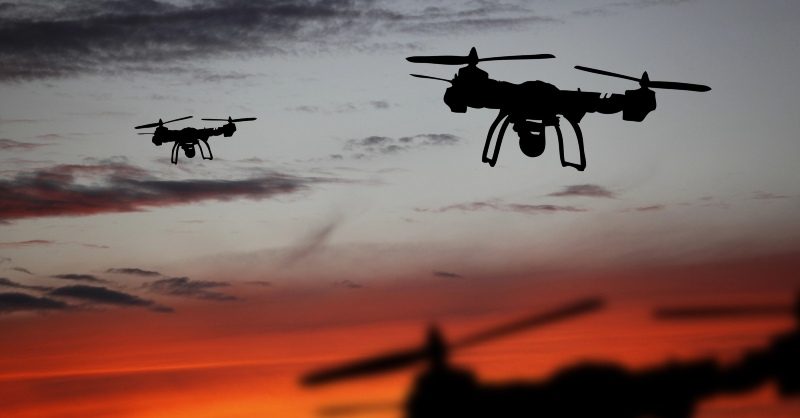
Swarmer’s battlefield drones ignite Wall Street appetite
Defense technology startup Swarmer, which builds autonomous drone swarms battle-tested in Ukraine, has delivered the strongest US initial public offering in years, marking a sharp revival of investor interest in dual-use military and security technology.
The company’s debut is being hailed as the most successful US listing since the so‑called “Newsmax madness” era, when speculative media and meme‑driven stocks briefly dominated trading volumes. Unlike that period, analysts say Swarmer is being priced on hard demand from governments and defense contractors rather than social media hype.
Ukraine combat data turns into commercial momentum
Swarmer’s systems have reportedly been deployed in Ukraine to coordinate large numbers of small, low-cost drones for reconnaissance, electronic warfare and precision strikes. Real‑world performance data from the conflict has allowed the company to refine its AI algorithms, improve target recognition and strengthen resilience against electronic jamming.
That combat validation is now central to the company’s pitch. Procurement officials in the US and allied countries are increasingly seeking scalable, software‑driven systems that can be updated as rapidly as consumer technology, rather than relying solely on traditional big-ticket platforms.
Investors bet on autonomous warfare and dual‑use tech
The IPO underscores how public markets are warming to a new generation of defense and security startups. Autonomous systems, edge computing and networked unmanned aerial vehicles are seen as critical to future battlefields, especially in conflicts where low-cost drones can overwhelm conventional defenses.
At the same time, Swarmer is promoting dual‑use applications for border surveillance, infrastructure monitoring and disaster response, aiming to diversify revenue beyond military contracts. This broader narrative of national security, critical infrastructure protection and commercial use cases has helped the company attract both traditional defense investors and generalist technology funds.
Ethical and regulatory scrutiny on the horizon
Despite the strong debut, Swarmer faces growing scrutiny over the ethics and regulation of autonomous weapons. Lawmakers and civil society groups are pressing for clearer rules on how AI‑enabled targeting is governed, audited and controlled by humans.
How Swarmer addresses transparency, export controls and responsible use will be closely watched, as its performance could set a benchmark for future defense‑tech IPOs and shape the public market’s appetite for companies at the intersection of AI, security and warfare.