

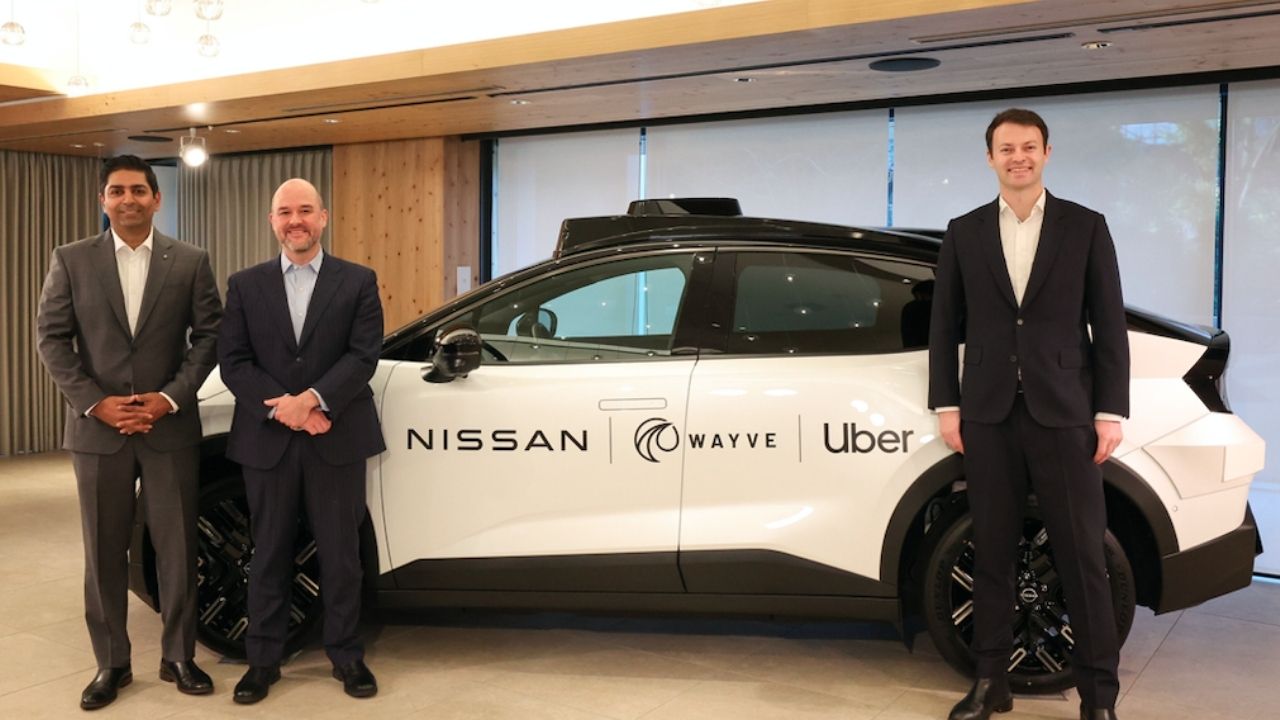
Nissan will join Uber and Wayve to launch an autonomous taxi pilot in Tokyo by late 2026 using AI technology.
A Strategic Alliance for Autonomous Mobility
The automotive and ride-hailing sectors are witnessing a significant shift as Nissan, Uber, and Wayve formalize a tripartite agreement. This collaboration aims to introduce a fleet of self-driving vehicles to the streets of Tokyo, marking a pivotal expansion for all three entities. According to the memorandum of understanding signed by the companies, the initiative will utilize the Nissan Leaf, a well-known electric vehicle, as the primary hardware platform. These cars will be integrated with the advanced AI Driver software developed by Wayve, a London-based startup specializing in embodied artificial intelligence.
Technical Integration and Service Launch
The operational framework of this partnership involves connecting Wayve’s end-to-end autonomous driving system directly into the Uber ride-hailing network. This setup allows users in Japan to request a robotaxi through the familiar Uber application. While the long-term goal is full autonomy, the initial phase of the pilot program will include a trained safety operator present inside each vehicle. This measure ensures compliance with safety protocols while the technology adapts to the complex urban environment of Japan‘s capital.
Navigating the Complexity of Tokyo
Tokyo is recognized globally for its high traffic density, intricate road layouts, and rigorous safety regulations, making it a demanding testing ground for autonomous systems. Alex Kendall, the co-founder of Wayve, indicated that the company has been conducting technical trials across Japan since early 2025. He noted that the partnership with Nissan and Uber facilitates a responsible introduction of autonomous tech into a sophisticated market. This move follows a similar planned deployment in London, reflecting a broader strategy to establish robotaxi services in over ten major cities worldwide.
Corporate Visions and Market Expansion
For Nissan, this project aligns with its broader ambition to integrate machine learning and artificial intelligence across its consumer vehicle lineup. Ivan Espinosa, a senior executive at Nissan, expressed that the collaboration translates the company’s vision of mobility intelligence into a practical, real-world application. Meanwhile, Uber continues to pivot toward a platform that heavily features autonomous options. Dara Khosrowshahi, the chief executive of Uber, emphasized that Japan remains a critical market where such innovation can mitigate local challenges like driver shortages. The service is expected to operate through a licensed taxi partner in Japan, with negotiations currently underway to finalize local collaborations and regulatory approvals.