

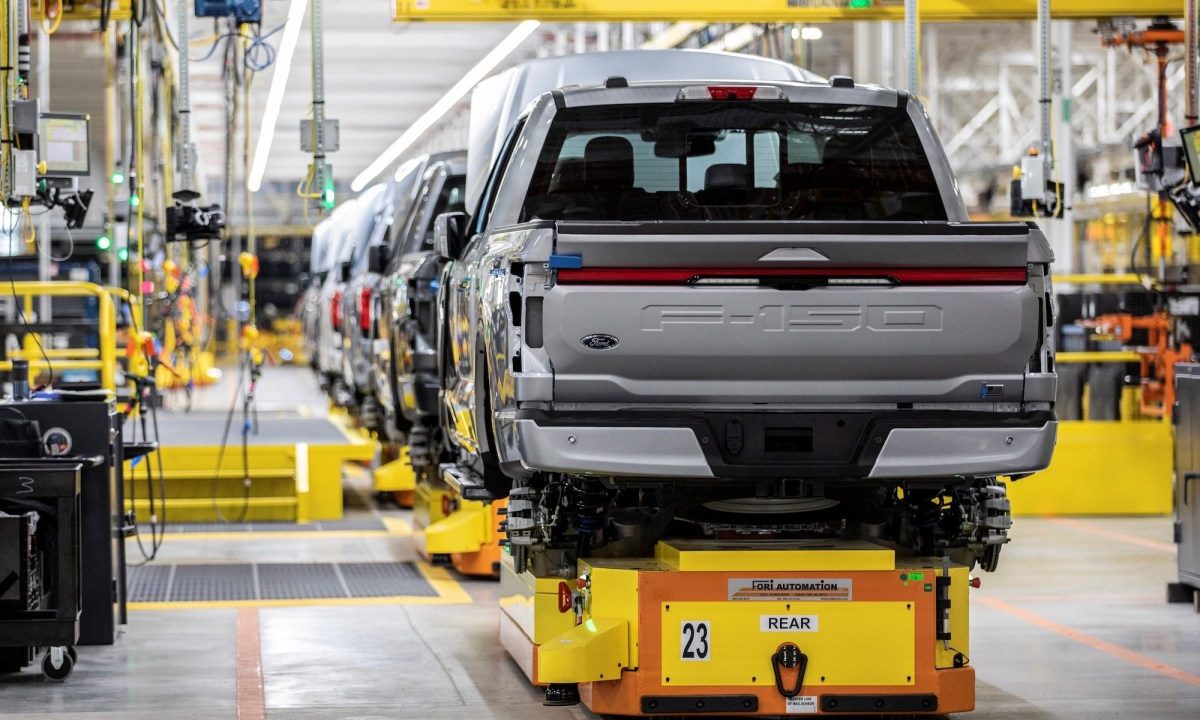
The Company Pulls the Plug on Electric Trucks
In a surprising turn of events, the company has announced the cessation of its ambitious plans to produce the ‘T3’, an all-electric pickup truck. This decision comes alongside the discontinuation of the battery-powered Lightning model, marking a significant shift in the company’s strategy amidst an increasingly competitive and rapidly evolving automotive market. While the decision was unexpected, industry analysts suggest that several factors may have contributed to this outcome, including technological challenges, shift in consumer preferences, and market dynamics.
Background and Initial Excitement
The initial announcement of the T3 project generated significant excitement amongst environmental advocates and technology enthusiasts, promising to bring a state-of-the-art electric pickup truck that would challenge the current market’s heavyweights. The project was seen as a groundbreaking step towards reducing carbon emissions and fostering sustainable practices within the automotive industry. However, the reality of transitioning from conventional gasoline-powered vehicles to electric infrastructure posed unforeseen challenges, such as sourcing battery materials and addressing technological limitations.
Challenges Facing the Electric Truck Market
Production Complexities
The production of electric vehicles, particularly trucks, involves intricate technological advancements and substantial investment in research and development. Issues such as battery longevity, charging infrastructure, and vehicle range remain significant hurdles. With the T3 project, the company faced challenges in scaling production efficiently while maintaining cost-effectiveness. Additionally, the production complexities involved in the Lightning model highlighted the need for further technological innovations to meet consumer expectations effectively.
Market Dynamics and Consumer Preferences
As the automotive industry shifts towards more eco-friendly solutions, there is increased pressure to deliver not only sustainable but also economically viable products. Consumer preferences are rapidly evolving, driven by a demand for affordable, efficient, and technologically advanced vehicles. While there is interest in electric trucks, market acceptance remains contingent on practical usage and competitive pricing. The failure to meet these evolving demands and market dynamics significantly impacts a product’s viability, as demonstrated by the company’s recent decision.
Strategic Reassessment and the Future
Adapting to Industry Trends
The company’s decision to halt these projects suggests a broader strategic reassessment, focusing on aligning its business model with emerging trends and technological advancements. The restructuring process emphasizes optimizing resource allocation towards sectors demonstrating growth potential. By redirecting focus from electric trucks, the company may explore alternative avenues where innovation and market demands intersect, potentially expanding its influence across diverse automotive segments.
Reflecting on Sustainability Goals
Although halting production of the T3 and Lightning models seems a setback, it provides an opportunity for the company to re-evaluate its approach towards sustainability initiatives. The automotive sector continues to undergo transformative changes as stricter environmental regulations and consumer expectations push manufacturers to innovate responsibly. This development highlights the importance of integrating sustainability while balancing technological feasibility and financial viability, ultimately contributing to long-term environmental stewardship.
Conclusion
The decision to discontinue the T3 and Lightning projects underscores the complexities inherent in the electric vehicle market. It reflects broader industry challenges, ranging from technological constraints to dynamic market demands, necessitating adaptive strategies among automotive manufacturers. As the company recalibrates its strategy, the path forward remains open to opportunities within the evolving technological landscape. The focus will likely shift towards producing efficient, sustainable vehicles that resonate with consumers’ aspirations for a greener future. Despite setbacks, the pursuit of innovative solutions persists, driving progress towards a more sustainable and technologically advanced automotive industry.