

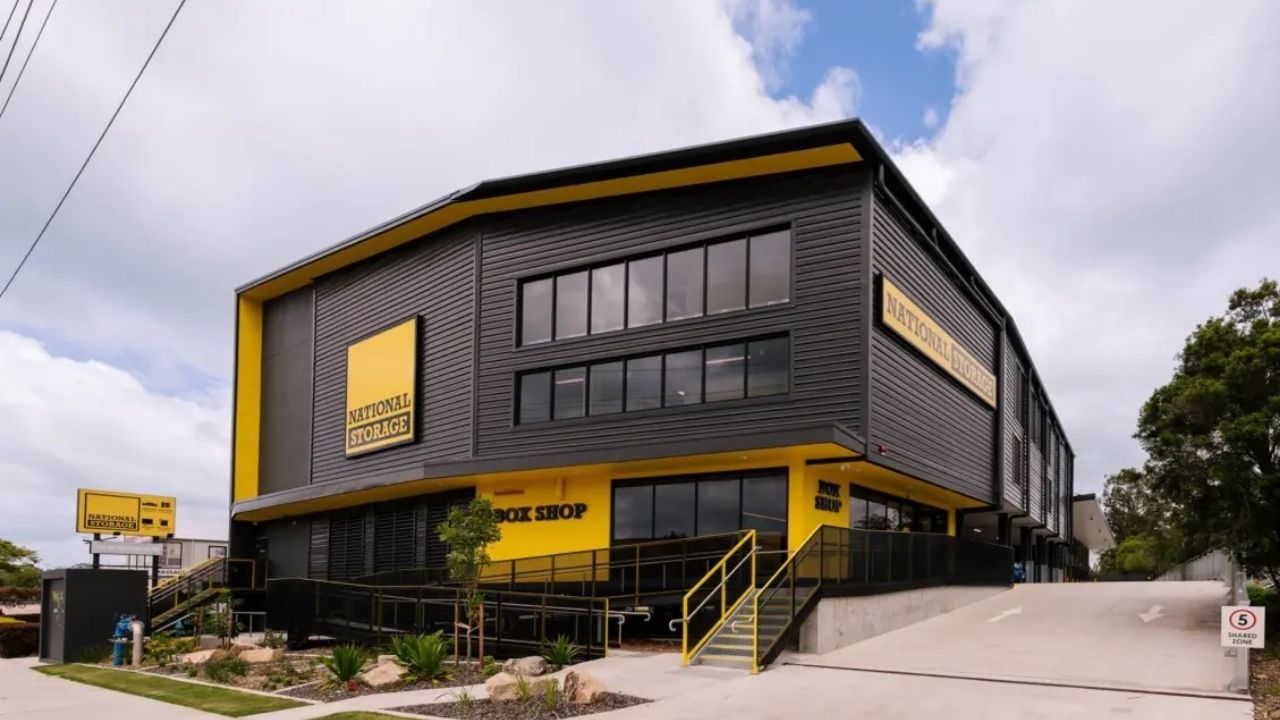
National Storage REIT shares hit an all-time high on Monday as the board unanimously backs a massive A$4 billion (US$2.65 billion) takeover bid from a powerhouse consortium led by Brookfield and GIC.
The Australian real estate sector witnessed its largest privatization deal of the year this Monday, as National Storage REIT (NSR) officially entered into a binding scheme implementation deed with a consortium comprising Canada’s Brookfield Asset Management and Singapore’s sovereign wealth fund, GIC. The announcement sent the self-storage giant’s stock soaring to a record peak of A$2.81 in early trading, validating the board’s decision to recommend the cash-rich offer to shareholders. The deal marks the culmination of a weeks-long due diligence process and signals continued global institutional appetite for “defensive” real estate assets in the Asia-Pacific region.
The Anatomy of the Deal
Under the terms of the agreement, the Brookfield–GIC alliance will acquire 100% of National Storage for A$2.86 per stapled security in cash. This price point represents a significant 26.5% premium to the company’s undisturbed closing price on November 25, the day before the initial non-binding proposal was disclosed to the market.
The transaction values the company’s equity at approximately A$4 billion (US6$2.65 billion), with an implied enterprise value of nearly A$6.7 billion when including debt. NSR Chairman Anthony Keane stated that the board’s unanimous recommendation reflects the “attractive value and certainty” provided by the all-cash structure, noting that the offer delivers an annualized total return of over 15% for investors who have held the stock since its 2013 IPO.
Defensive Assets in High Demand
Industry analysts view this acquisition as a strategic play on the resilience of the self-storage sector.9 Unlike commercial office space or retail, which can be sensitive to economic downturns, self-storage is often described as “recession-resistant,” driven by life events such as moving, downsizing, or divorce—factors that persist regardless of the broader economic climate.
Brookfield and GIC are no strangers to this asset class. GIC has previously partnered with National Storage in joint ventures, while Brookfield manages a vast global portfolio of real estate. By taking Australia‘s largest self-storage operator private, the consortium gains immediate control over a dominant portfolio of more than 270 centers across Australia and New Zealand, serving over 95,000 active customers.
Ending a Long Saga of Interest
This successful bid brings closure to years of speculation surrounding National Storage. The company had previously been a target during the “storage wars” of early 2020, attracting interest from US giant Public Storage and private equity firm Warburg Pincus. However, those talks collapsed amidst the onset of the pandemic market volatility.
Five years later, the completion of this deal underscores the matured valuation of the sector. “This bid is a massive vote of confidence in the Australian market,” noted a senior analyst at CLSA in Sydney. “It effectively blocks other global players from easily entering the region by locking up the market leader.”
Next Steps and Timeline
The takeover is now subject to standard regulatory approvals, including green lights from Australia‘s Foreign Investment Review Board (FIRB) and the New Zealand Overseas Investment Office. National Storage shareholders are expected to vote on the scheme in April 2026.17 If approved, the transaction is scheduled to close in the second quarter of 2026, delisting one of the ASX‘s most consistent performers and handing the keys to two of the world’s largest asset managers.
2 Comments
This is a huge move for Australia’s real estate sector, and it’s interesting to see such big international players like Brookfield and GIC getting involved. It’ll be worth watching how this impacts the self-storage market and whether we’ll see more large-scale deals like this down the line.
Interesting to see such a huge investment in the self-storage sector—clearly, big players still see strong growth potential there. It’ll be worth watching how this takeover impacts the company’s future strategy and service offerings.