

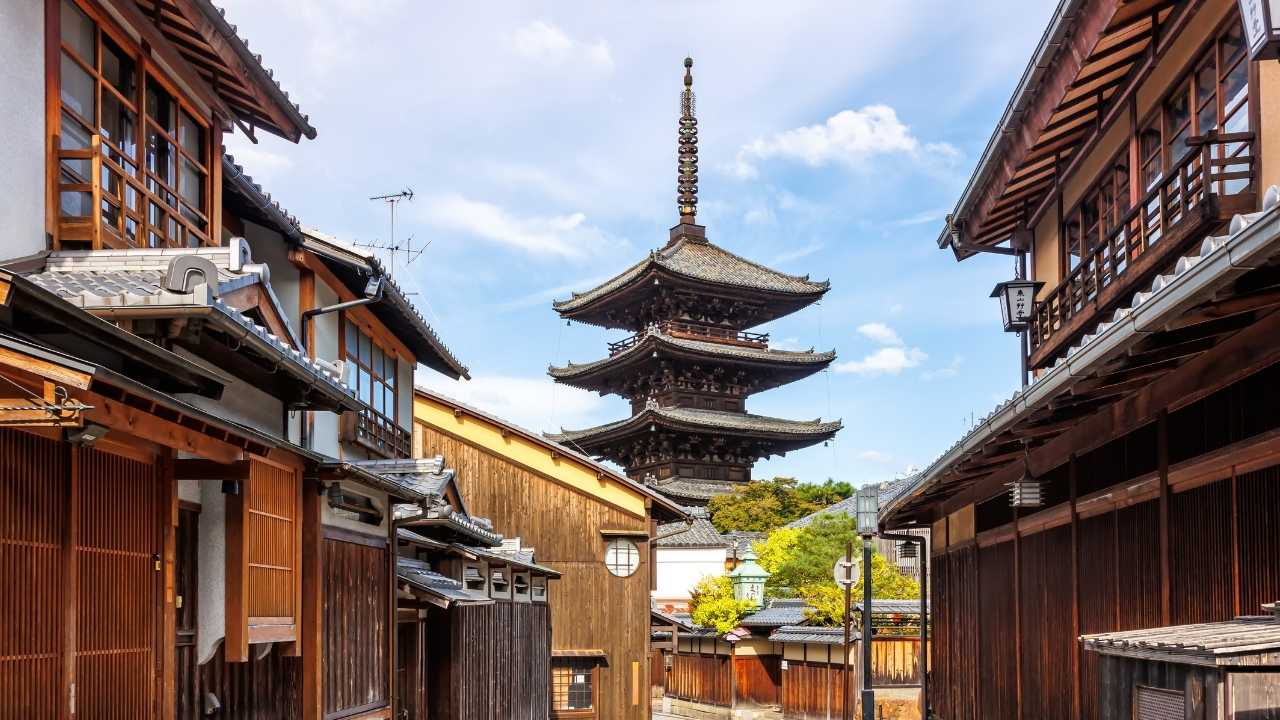
City officials in Kyoto announce strict new access controls for the Gion district starting January 2026 to combat overtourism and protect residents.
The local government of Kyoto, Japan‘s ancient capital, has confirmed a significant expansion of its visitor restriction policies, effective from the start of the 2026 tourism season. Following the initial success of closing specific private alleys in the geisha district of Gion in 2024, authorities are now widening the “residents-only” zones to include major thoroughfares in the Higashiyama ward during peak evening hours. This decisive move comes as the city grapples with “tourism pollution,” a phenomenon where the sheer volume of visitors disrupts daily life, creates sanitation issues, and threatens the preservation of intangible cultural heritage.
Protecting the Geisha Tradition
The primary catalyst for these new measures is the ongoing harassment of Geiko and Maiko (traditional entertainers). Despite previous warnings and signage prohibiting photography in private streets, incidents of aggressive paparazzi-like behavior have persisted. Under the new 2026 ordinance, tourists caught entering restricted private roads without a confirmed dining reservation will face on-the-spot fines of 20,000 yen (approximately $130).
A specialized patrol unit, composed of private security and multilingual city officials, will be deployed to enforce these boundaries. Their mandate is to ensure that the “hanamachi” (flower towns) remain functioning neighborhoods for the artisans who live there, rather than serving merely as backdrops for social media content.
Smart Logistics and Bus Limits
Beyond the preservation of cultural districts, Kyoto is overhauling its transportation logistics to alleviate overcrowding on public transit. The municipal transportation bureau has announced the discontinuation of the “One-Day Bus Pass,” which was popular among budget travelers but blamed for clogging commuter routes. Instead, the city is incentivizing the use of the subway system and introducing “tourist-express” buses that run directly from Kyoto Station to major landmarks like Kiyomizu-dera and the Golden Pavilion (Kinkaku-ji).
These express buses will command a higher fare, the proceeds of which will be funneled into neighborhood maintenance funds. The goal is to segregate tourist traffic from local commuters, ensuring that elderly residents and students can travel to hospitals and schools without fighting through throngs of visitors with large luggage.
Dispersal Strategy: ‘Kyoto and Beyond’
Recognizing that bans alone cannot solve the demand issue, the Japan Tourism Agency is launching a concurrent campaign titled “Kyoto and Beyond.” This initiative aims to divert travelers to lesser-known but historically rich cities such as Kanazawa, Nara, and Okayama. By promoting these alternatives as “uncrowded authentic experiences,” officials hope to spread the economic benefits of tourism more evenly across the Kansai region.
Travel analysts suggest that this strategy represents a new global standard for heritage management. As destinations like Venice and Barcelona watch closely, Kyoto‘s ability to balance economic openness with strict residential protection could become the blueprint for sustainable urban tourism in the late 2020s.
New Entry Tax for Shrines
In a related development, several major temples and shrines that were previously free to enter are reportedly considering the introduction of admission fees in 2026. Custodians of these sites argue that the funds are necessary to repair wear and tear caused by millions of footsteps. While controversial, early polls indicate that international visitors are generally willing to pay, provided the revenue is transparently used for conservation efforts.